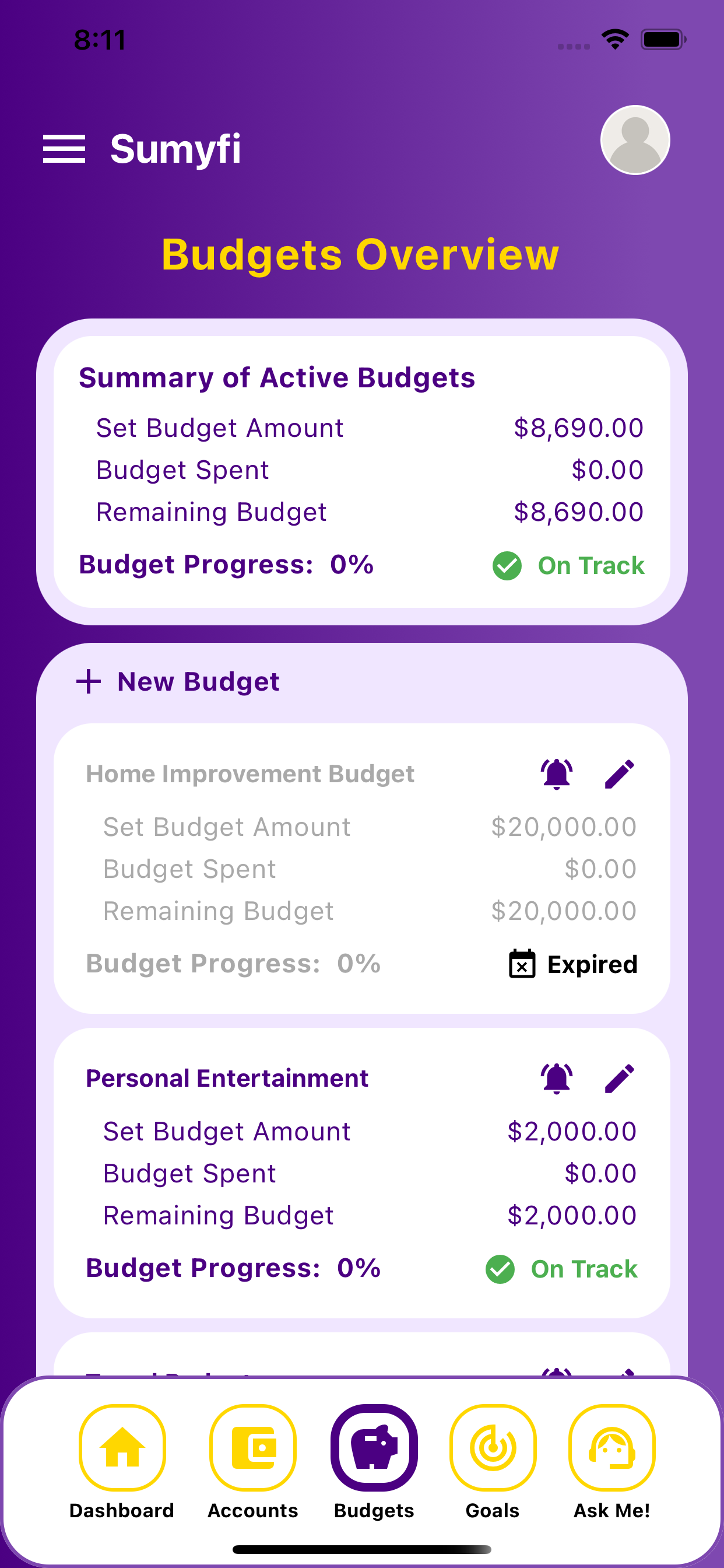
The best YNAB alternative page should compare the strongest general-market options for buyers who still want structure, but do not want the full money picture trapped inside the same rigid workflow.
In the dynamic world of personal finance, finding the right tool to manage your money can feel like searching for a needle in a digital haystack. For years, You Need A Budget (YNAB) has stood as a titan, championing the philosophy of zero-based budgeting and empowering countless individuals to gain control over their finances. Its dedicated following is a testament to its effectiveness.
However, the financial landscape is constantly evolving. As user expectations shift towards more intuitive interfaces, broader feature sets, and seamless automation, many are now actively seeking a best YNAB alternative that aligns with their modern lifestyle and diverse financial needs. While YNAB excels in its niche, its steep learning curve, time commitment, and singular focus on budgeting can leave some users wanting more.
Understanding YNAB: The Zero-Based Budgeting Philosophy and Its Intrinsic Value
Before we dissect the alternatives, it's crucial to understand what makes YNAB so impactful for its users. At its core, YNAB is built upon four fundamental rules of zero-based budgeting:
- Give Every Dollar a Job: Every dollar you earn is assigned a purpose, whether it's for bills, savings, debt repayment, or discretionary spending. This prevents "phantom money" and ensures intentional spending.
- Embrace Your True Expenses: This rule encourages you to budget for irregular, infrequent expenses (like annual car insurance, holiday gifts, or home repairs) by setting aside small amounts regularly.
- Roll With the Punches: Life is unpredictable. YNAB encourages flexibility, allowing you to adjust your budget categories as needed without guilt, understanding that perfection is unattainable.
- Age Your Money: The ultimate goal is to reach a point where you're spending money you earned last month or even earlier, creating a buffer against financial emergencies and reducing living paycheck-to-paycheck stress.
Where YNAB Can Fall Short for Modern Users:
Despite its strengths, YNAB isn't a universal fit, prompting many to search for a robust YNAB alternative:
These limitations aren't criticisms of YNAB's effectiveness but rather indicators that the market has evolved, creating a demand for tools that offer more breadth, automation, and a sleeker user experience. This is precisely where the search for the best YNAB alternative begins.
Behavioral Change: Its methodology is highly effective at breaking bad spending habits and fostering financial discipline.
Debt Reduction: The focus on intentional spending and saving often accelerates debt repayment strategies.
Detailed Tracking
Excellent for granular insight into where every penny goes.
Steep Learning Curve
The zero-based methodology, while powerful, requires a significant upfront investment of time and mental energy to master. It's not a "set it and forget it" tool.
High Time Commitment
Regular manual input, categorization, and reconciliation are necessary to maintain accuracy, which can be daunting for busy individuals.
Solely Budget-Focused
While budgeting is critical, YNAB offers less emphasis on holistic financial management, such as detailed net worth tracking, investment portfolio analysis, or long-term financial planning beyond budget categories.
Interface & User Experience
While functional, some users find its interface less modern or intuitive compared to newer, more agile platforms.
Cost
YNAB's subscription fee, while justified by its proponents, can be a barrier for those seeking more cost-effective or feature-rich alternatives.
Limited Automation
While it offers bank syncing, the core philosophy still leans heavily on manual review and categorization, which can feel less efficient in an age of AI-driven automation.
Why Seek a YNAB Alternative? The Evolving Landscape of Personal Finance
The quest for an alternative to YNAB is driven by several converging factors reflecting shifts in user expectations and technological advancements:
The Desire for Simplicity and Reduced Time Commitment
In our fast-paced world, time is a precious commodity. Many users seek a financial management solution that offers powerful insights without demanding hours of manual data entry and reconciliation each week. The ideal YNAB alternative minimizes friction, automates mundane tasks, and provides clarity at a glance.
Beyond Budgeting: A Holistic Financial View
While budgeting is a cornerstone of financial health, it's just one piece of the puzzle. Modern users want a single platform that integrates:
A true YNAB competitor offers this expansive view.
Modern User Interface and Experience (UI/UX)
The aesthetic and usability of an application significantly impact user adoption and engagement. Today's users expect slick, intuitive, and visually appealing interfaces that are easy to navigate on any device. Clunky, dated, or overly complex designs can be a major deterrent.
Advanced Automation and AI-Driven Insights
Manual categorization and reconciliation, while thorough, can be tedious. The demand for intelligent automation - AI-powered transaction categorization, anomaly detection, predictive analytics, and automated bill tracking - is at an all-time high. A superior YNAB replacement harnesses these technologies to deliver effortless financial management.
Cost-Effectiveness and Value Proposition
Subscription costs are a significant consideration. Users are looking for alternatives that offer a compelling balance of features, performance, and price. For some, YNAB's cost, when weighed against its specific focus, prompts a search for a more comprehensive solution that justifies its price point through broader utility.
Seamless Connectivity Across Institutions (US & Canada)
Reliable and extensive connectivity to thousands of financial institutions - banks, credit unions, investment platforms, and credit card companies - across both the United States and Canada is non-negotiable for many users. This ensures a complete and accurate financial picture without manual data imports.
These evolving needs underscore the market's readiness for a new generation of personal finance tools - tools that are not just alternatives, but advancements.
Net Worth Tracking
Real-time aggregation of assets and liabilities.
Investment Performance
Monitoring portfolio growth and diversification.
Debt Management
Comprehensive strategies beyond just budgeting for payments.
Subscription & Bill Management
Proactive insights into recurring expenses.
Financial Goal Setting
Tools to visualize and track progress towards long-term objectives.
Key Criteria for Evaluating the Best YNAB Alternative
When assessing potential replacements for YNAB, a structured evaluation framework is essential. The best YNAB alternative will excel in a combination of these critical areas:
1. Budgeting Methodology & Flexibility
2. Net Worth Tracking & Investment Management
3. Transaction Automation & Categorization
4. Financial Institution Connectivity (US & Canada)
- Reporting & Analytics
- User Interface & Experience (UI/UX)
- Cost & Value Proposition
- Security & Privacy
- Customer Support & Community
- Learning Curve
By rigorously applying these criteria, we can objectively compare YNAB alternatives and identify truly superior solutions.
Zero-Based: Does it offer a similar "give every dollar a job" approach?
Envelope System: Can you allocate funds to specific categories like digital envelopes?
Traditional/Category-Based: Does it allow for simpler, fixed-category budgeting?
Hybrid
Does it offer flexibility to combine different methods?
Goal-Oriented
Does it support budgeting towards specific financial goals (e.g., down payment, vacation)?
Automated Aggregation
Does it connect to all asset and liability accounts (checking, savings, investments, loans, real estate)?
Real-time Updates
How frequently is data refreshed?
Investment Performance
Does it track portfolio value, returns, and asset allocation?
Historical Data
Can you view trends over time?
Automatic Syncing
Reliable connection to banks, credit cards, and other financial accounts.
AI-Powered Categorization
How intelligent and accurate is its auto-categorization?
Custom Rules
Can you create your own rules for specific transactions?
Bulk Editing
Is it easy to manage multiple transactions at once?
Breadth
How many institutions does it support?
Reliability
How often do connections break or require re-authentication?
Geographic Coverage
Does it cater equally well to users in both the United States and Canada? This is a crucial differentiator.
Customizable Reports
Can you generate reports based on specific criteria (e.g., spending by merchant, income vs. expenses)?
Visualizations
Does it offer clear charts and graphs to understand trends?
Forecasting
Does it provide insights into future cash flow or financial projections?
Tax Preparation Support
Does it offer tools or reports useful for tax season?
Intuitiveness
Is it easy to navigate and understand, even for new users?
Aesthetics
Is the design modern, clean, and visually appealing?
Responsiveness
Does it perform quickly across different devices (web, mobile)?
Customization
Can you personalize the dashboard or views?
Subscription Model
What is the pricing structure (monthly, annual)?
Free Tier
Does it offer a free version with limited features?
Trial Period
Is there a way to test the full functionality before committing?
Overall Value
Does the feature set and performance justify the cost?
Data Encryption
What level of encryption is used for data in transit and at rest?
Authentication
Does it support multi-factor authentication (MFA)?
Data Usage Policy
How does the company use and protect your financial data? Is it sold to third parties?
Compliance
Does it adhere to industry security standards?
Availability
How can users get help (email, chat, phone, knowledge base)?
Responsiveness
How quickly do they address issues?
Community
Is there an active user community for tips and discussions?
Onboarding
How easy is it to get started and set up accounts?
Documentation
Are there clear guides and tutorials?
Complexity
Does the app's complexity match its target audience?
Deep Dive into Prominent YNAB Alternatives
The market for personal finance apps is crowded, with several strong contenders vying for the title of best YNAB alternative. Let's examine some of the most frequently cited options and their specific strengths and weaknesses.
- Mint (and its Transition to Credit Karma)
For years, Mint, owned by Intuit, was the undisputed king of free personal finance tracking. It offered a broad overview of finances, including budgeting, net worth, and bill tracking, all for no cost.
Verdict: While historically a popular option, Mint is no longer a contender. Its legacy highlights the demand for free or affordable, broad-spectrum financial tracking, but its shortcomings and ultimate discontinuation underscore the need for more reliable and dedicated solutions.
Monarch Money has emerged as a strong, modern competitor, often positioned as a direct YNAB alternative and a premium replacement for Mint. It aims to offer a holistic view of finances with a sleek interface.
Verdict: Monarch Money is a formidable YNAB competitor for those seeking a modern, comprehensive, and premium experience, particularly in the US. Its cost and still-developing Canadian support are its main limiting factors.
- Rocket Money (formerly Truebill)
Rocket Money gained popularity for its ability to make it easier to identify and cancel unwanted subscriptions, but it has expanded into broader financial management.
Verdict: Rocket Money is a strong choice for those whose primary pain point is subscription overload and finding savings. As a comprehensive YNAB alternative for deep budgeting and holistic financial management, it falls short, particularly in its free tier.
- Empower Personal Dashboard (formerly Personal Capital)
Empower Personal Dashboard is renowned for its robust investment tracking and net worth aggregation, making it a favorite among investors.
Verdict: Empower Personal Dashboard is an outstanding tool for investors and those focused on net worth and long-term planning. However, it is not a direct YNAB alternative for granular, day-to-day budgeting and spending control.
- Manual Spreadsheets (Excel, Google Sheets)
For the DIY enthusiast, a custom spreadsheet remains a viable, albeit labor-intensive, option.
Verdict: Spreadsheets are powerful for those with the time, skill, and discipline, but they lack the automation, real-time insights, and convenience that modern financial software provides. They are a YNAB alternative in principle but not in modern functionality.
- Other Niche Alternatives
Each of these alternatives offers a unique value proposition, but none fully encapsulate the blend of comprehensive features, intuitive design, and robust automation that today's users demand from the best YNAB alternative. This brings us to Sumyfi.
Free: Its primary appeal was its zero-cost model.
Broad Overview: Provided a good snapshot of all connected accounts.
Bill Tracking: Decent at reminding users about upcoming bills.
Cons
Ad-Supported: The user experience was often cluttered with advertisements for financial products.
Less Granular Budgeting: While it had budgeting features, they were less robust and flexible than YNAB's zero-based approach.
Data Reliability: Connectivity issues and inaccurate categorizations were common complaints.
Privacy Concerns: Users often worried about how their data was used for targeted ads.
Sunsetted: Crucially, Mint has been officially sunsetted by Intuit, with users being migrated to Credit Karma. This means it's no longer a viable standalone alternative. While Credit Karma offers some financial insights, it's primarily focused on credit scores and identity monitoring, not comprehensive personal finance management in the way Mint or YNAB operated.
Modern UI/UX: Clean, intuitive, and visually appealing design.
Comprehensive Features: Strong in budgeting, net worth tracking, goal setting, and investment tracking.
Customization: Offers good flexibility in budgeting categories and dashboard views.
Collaborative Features: Allows for shared financial planning with a partner.
Rule-Based Categorization: Intelligent transaction categorization with user-defined rules.
Cost: It's a premium, subscription-based service, which can be a barrier for some.
Learning Curve: While more intuitive than YNAB, it still requires some time to set up and fully utilize all features.
Primarily US-Focused: While it has some Canadian connectivity, its primary focus and feature set are optimized for the US market, which can be a limitation for Canadian users.
Newer Player: As a relatively newer platform, it's still building out its feature set and refining its connectivity compared to more established players.
Bill Negotiation: Offers services to negotiate bills (e.g., internet, cable) on your behalf.
Spending Insights: Provides good breakdowns of where your money goes.
Free Tier: Offers basic features for free, with premium features requiring a subscription.
Budgeting is Less Robust: While it has budgeting features, they are generally less flexible and granular than YNAB or dedicated budgeting apps. It's more about tracking spending limits than true zero-based allocation.
Freemium Model Limitations: Many of its most powerful features (e.g., custom categories, unlimited budgets, net worth tracking) are locked behind a variable premium subscription fee.
Focus on Cost Savings: While valuable, its primary focus is on cutting expenses, rather than holistic wealth building.
Less Investment Tracking: Not designed for detailed investment portfolio analysis.
Exceptional Net Worth Tracking: Aggregates all accounts (bank, credit, investment, real estate) for a real-time net worth calculation.
Powerful Investment Analysis: Provides detailed insights into portfolio allocation, performance, fees, and diversification.
Retirement Planner: Excellent tools for long-term financial planning and retirement projections.
Free to Use: The dashboard itself is free.
Limited Budgeting Features: While it tracks income and expenses, its budgeting tools are basic and not designed for granular, proactive budgeting like YNAB. It's more of a spending tracker.
Sales Pitches: The "free" model is supported by offering wealth management services, leading to frequent calls or emails from financial advisors.
Not a Budgeting Replacement: It's an investment tracker first, a budgeter second.
Free (if you already have software): No subscription costs.
Ultimate Customization: You can design it exactly how you want, implementing any budgeting method.
No Data Sharing: Complete control over your data, no third-party access.
Time-Consuming: Requires significant manual data entry, categorization, and reconciliation.
Error-Prone: Manual entry increases the risk of mistakes.
No Automation: No bank syncing, no automatic categorization.
Lack of Real-time Data: Requires constant updates to reflect current balances.
Limited Analytics: Building sophisticated reports and visualizations requires advanced spreadsheet skills.
No Mobile Access: Less convenient for on-the-go tracking unless specifically designed for it.
EveryDollar: Dave Ramsey's budgeting app, very similar to YNAB's zero-based approach but often considered simpler. It has a free version but many features are behind a paywall. Good for those committed to Ramsey's financial principles.
Simplifi by Quicken: A streamlined version of Quicken, offering budgeting, spending tracking, and net worth. It's more modern than traditional Quicken but still has a learning curve and isn't as universally praised for its UI/UX as newer apps.
Introducing Sumyfi: The Definitive Modern YNAB Alternative for the Discerning User
In a landscape crowded with partial solutions and legacy systems, Sumyfi emerges as the quintessential modern financial hub, meticulously engineered to be the most agile, comprehensive, and empowering YNAB alternative available. Sumyfi isn't just a budgeting app; it's an all-in-one personal finance ecosystem designed to bring clarity, control, and confidence to your entire financial life.
The Sumyfi Philosophy: Agile, Empowering, Holistic
Sumyfi was built on the premise that managing your money shouldn't be a chore. It should be an intuitive, insightful, and even enjoyable experience. We believe in providing you with powerful tools that adapt to your financial philosophy, whether you lean towards zero-based budgeting, envelope systems, or a more flexible approach. Our goal is to replace the drudgery of manual spreadsheets and fragmented apps with a single, slick dashboard that gives you a complete, real-time picture of your financial world.
Sumyfi's Core Pillars: Why It Outshines the Rest
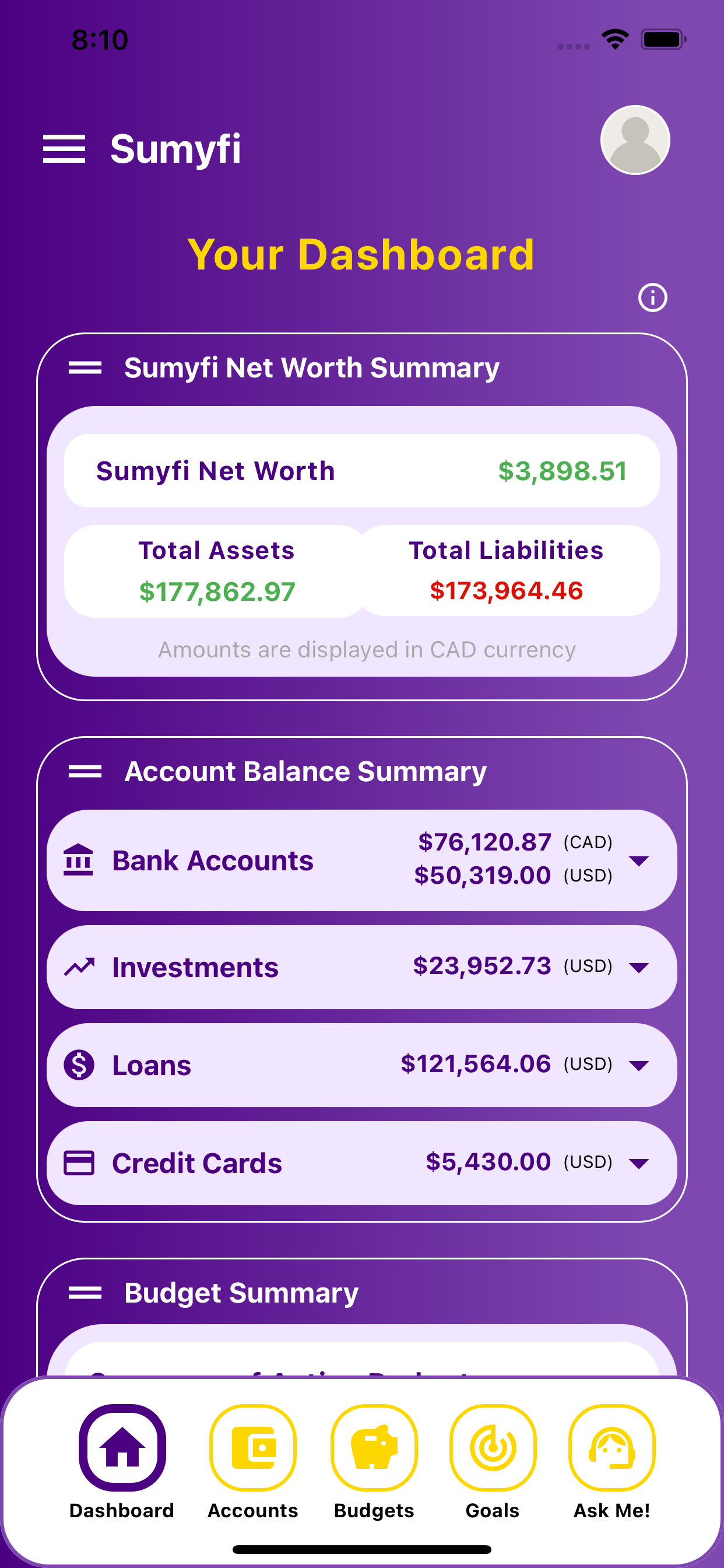
Effortless Net Worth Tracking: Your Financial North Star
While YNAB focuses heavily on budgeting, Sumyfi provides a panoramic view of your entire financial health.
Intelligent Transaction Automation & Customization: Reclaim Your Time
Sumyfi revolutionizes how you manage your daily transactions, making it the most efficient YNAB alternative for busy lives.
Seamless Financial Institution Connectivity: Unrivaled Reach (US & Canada)
We understand that a truly comprehensive financial picture requires access to *all* your accounts, regardless of where you bank.
Intuitive Budgeting & Spending Insights: Your Way
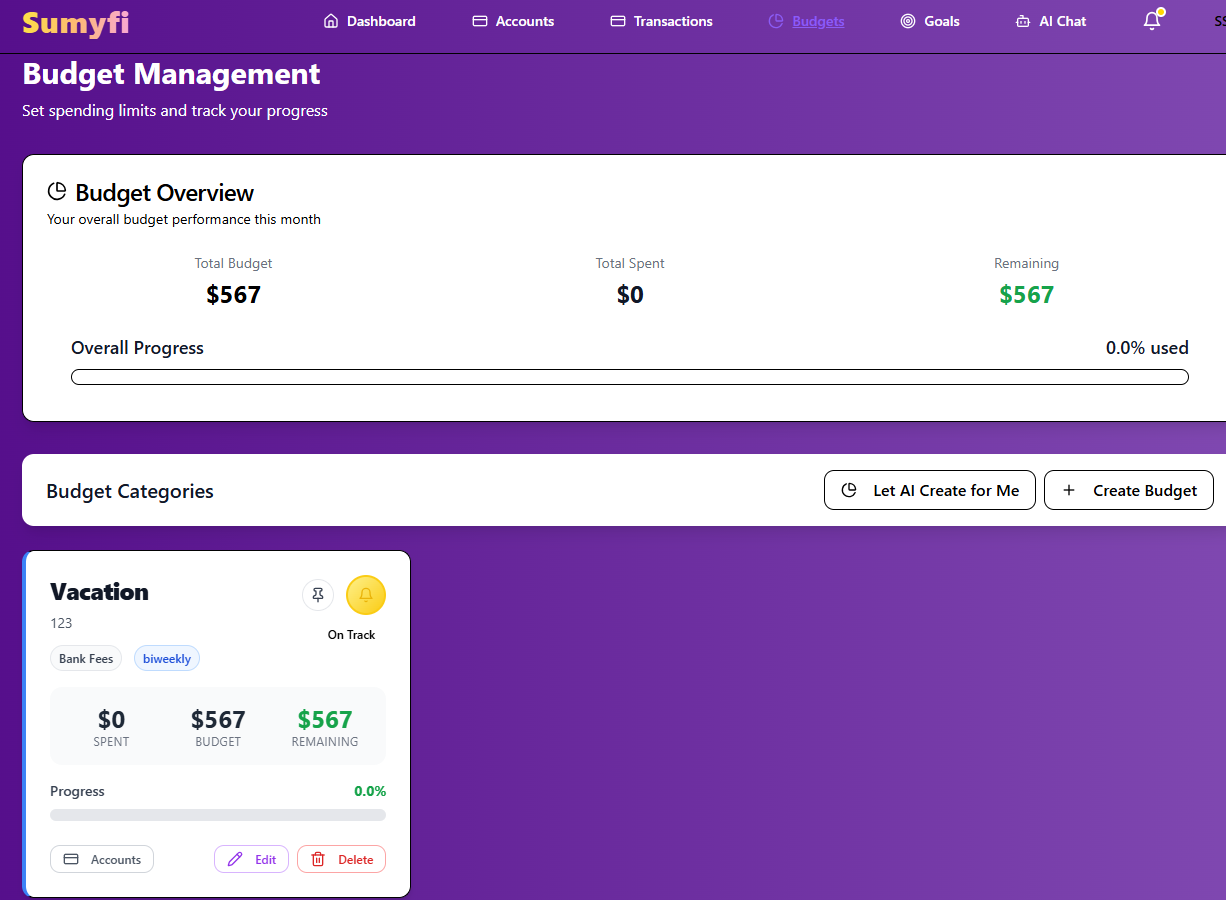
Sumyfi offers flexible budgeting tools that adapt to *your* preferred method, rather than forcing you into a rigid framework.
Proactive Subscription & Bill Management: No More Surprises
Hidden fees and forgotten subscriptions can silently erode your finances. Sumyfi acts as your financial guardian.
Slick, Agile Dashboard Interface: Designed for Clarity and Speed
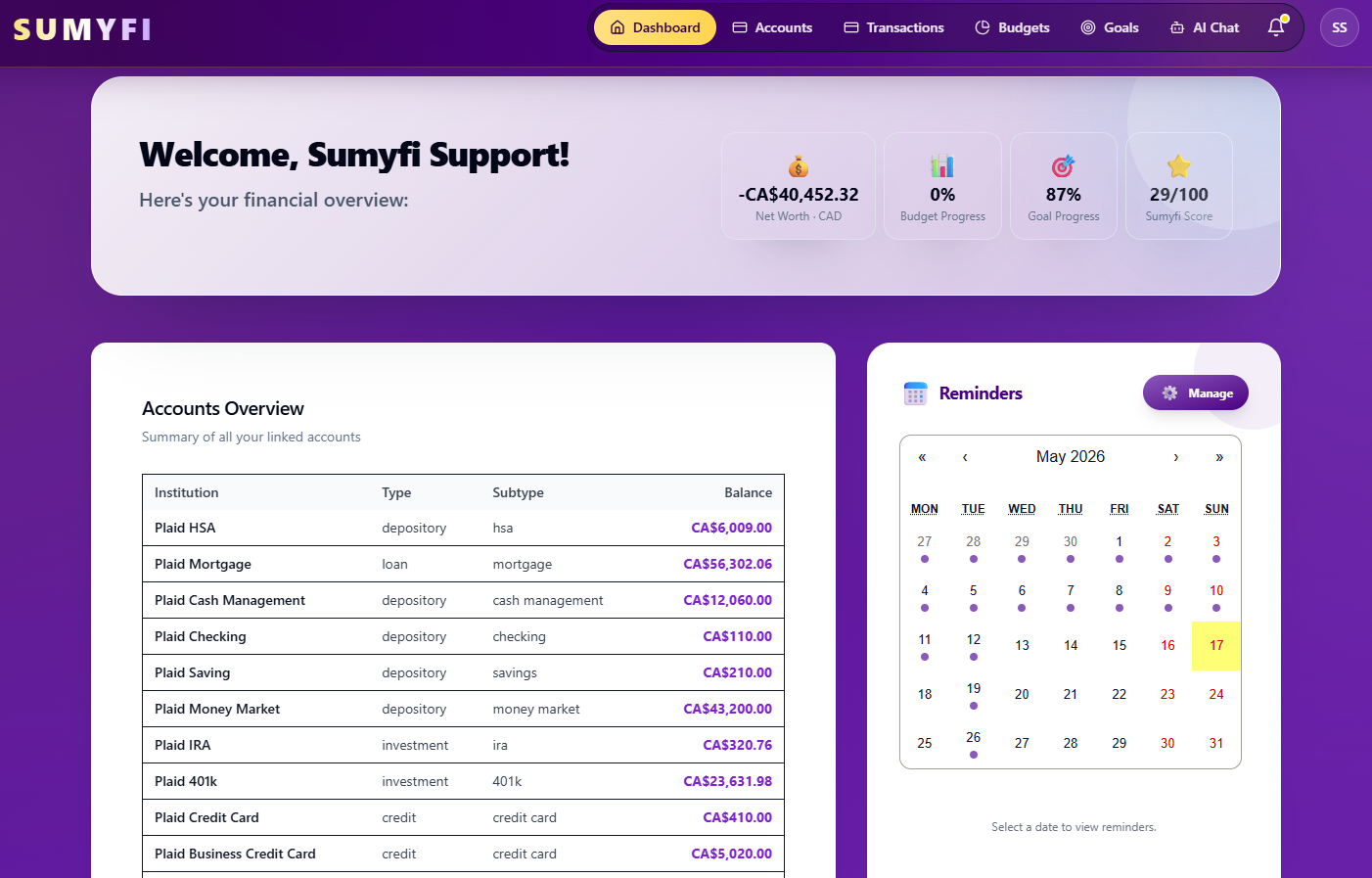
Forget clunky, outdated interfaces. Sumyfi's dashboard is a masterclass in modern UI/UX.
Enterprise-Grade Security & Privacy: Your Data, Protected
Why Sumyfi Is the Best YNAB Alternative for Modern Life
Sumyfi addresses every limitation of YNAB and then some, offering a superior experience for the contemporary user:
If you're looking for a YNAB replacement that combines the discipline of budgeting with the power of automation, the clarity of holistic tracking, and the elegance of modern design, Sumyfi is your definitive answer.
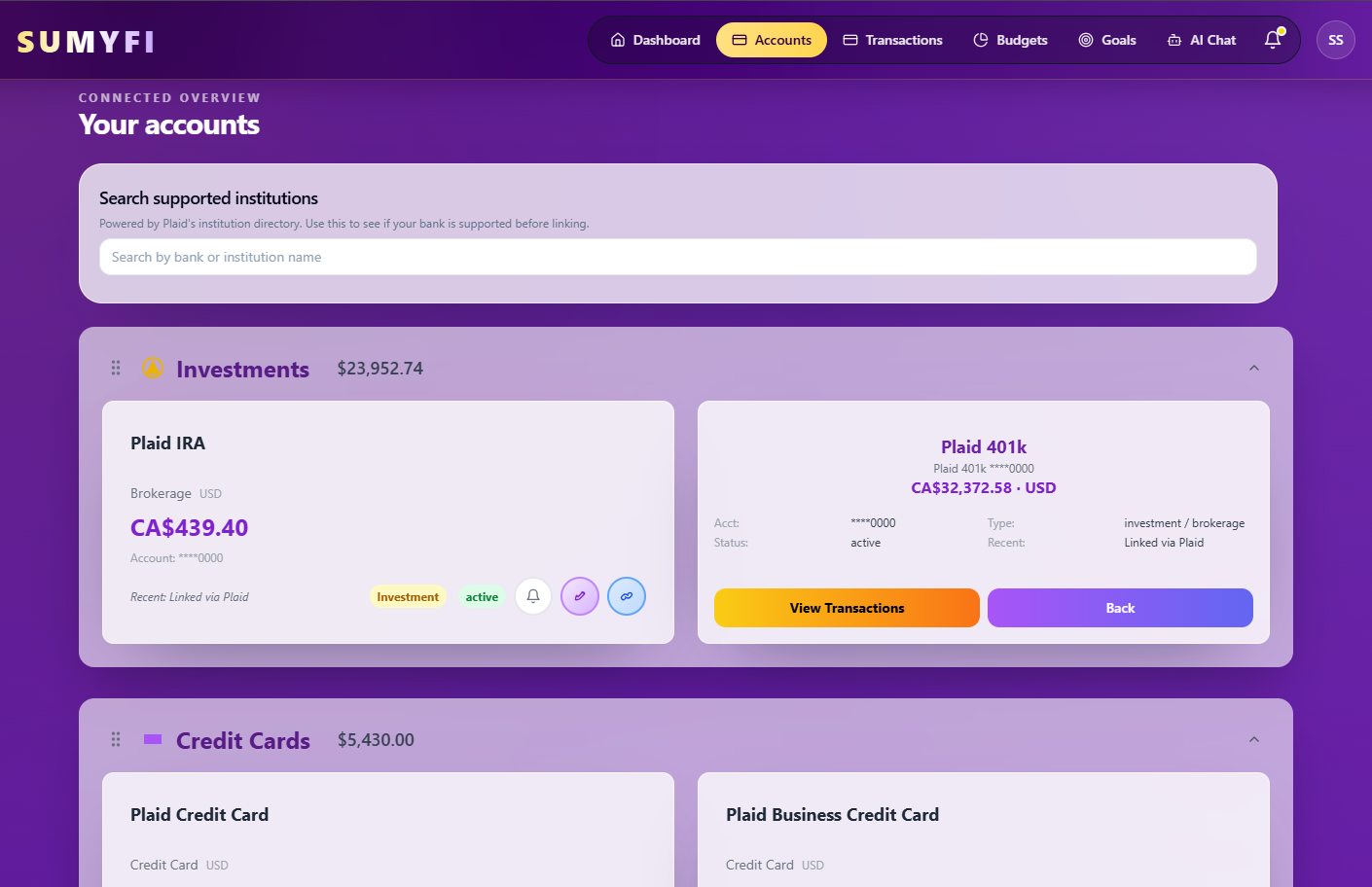
Comprehensive Aggregation: Connect all your accounts - checking, savings, credit cards, investments (stocks, crypto, retirement), loans (mortgages, auto, student), and even manually add assets like real estate.
Real-time Insights: Watch your net worth fluctuate in real-time, understanding the impact of every transaction and investment move.
Historical Trends: Visualize your financial growth over time with clear, actionable graphs and reports, empowering you to track progress towards long-term goals.
Lightning-Fast Setup
Our agile engineering ensures you can connect thousands of financial institutions across the US and Canada in minutes, not hours.
AI-Powered Categorization
Say goodbye to manual categorization. Sumyfi's intelligent algorithms learn your spending habits, automatically categorizing transactions with remarkable accuracy.
Custom Rules Engine
Take control with personalized rules. Define how specific merchants or transaction types are categorized, ensuring your budget always reflects your reality.
Bulk Editing & Review
Quickly review and adjust multiple transactions at once, making reconciliation a breeze.
Thousands of Institutions
Sumyfi connects with thousands of banks, credit unions, investment platforms, and credit card companies across both the United States and Canada. This dual-country support is a critical differentiator, especially for users with cross-border financial lives or those in Canada who often find many apps US-centric.
Robust & Reliable
Our advanced infrastructure ensures stable and secure connections, minimizing frustrating disconnections and data syncing issues that plague many other platforms.
Flexible Budgeting
Implement zero-based, envelope, or traditional category-based budgeting with ease. Allocate funds, track spending against limits, and adjust on the fly.
Spending Analytics
Dive deep into your spending patterns with beautiful, interactive charts. Identify areas for savings, track trends, and make informed financial decisions.
Goal-Oriented Planning
Set clear financial goals - saving for a down payment, paying off debt, building an emergency fund - and track your progress directly within your budget.
Automatic Detection
Sumyfi intelligently identifies all your recurring subscriptions and bills.
Upcoming Bill Reminders
Get timely notifications for upcoming payments, helping you avoid late fees.
Subscription Overview
See all your recurring charges in one place, easily identify services you no longer use, and take action to cancel or renegotiate.
Crystal-Clear Visualizations
Understand complex financial data at a glance with intuitive charts and graphs.
Responsive Design
Access your finances seamlessly on any device - desktop, tablet, or mobile - with an experience optimized for each.
Customizable Views
Personalize your dashboard to highlight the information most important to you, putting your financial priorities front and center.
Strict Privacy Policy
We never sell your personal financial data to third parties, ensuring your privacy remains intact.
Beyond Budgeting
While YNAB is a powerful budgeter, Sumyfi offers a truly holistic financial picture, integrating net worth, investments, and advanced analytics seamlessly.
Designed for Speed & Simplicity
Sumyfi's intuitive design and powerful automation drastically reduce the learning curve and time commitment, letting you manage your money efficiently.
Future-Proof Engineering
Our agile development team is constantly innovating, adding new features and refining the user experience based on feedback and evolving financial trends.
Exceptional Value
Sumyfi delivers a premium, comprehensive feature set at a competitive price, offering unmatched value compared to fragmented solutions or less capable alternatives.
How Sumyfi Addresses YNAB's Perceived Weaknesses Directly
Let's directly compare how Sumyfi overcomes the common pain points associated with YNAB: