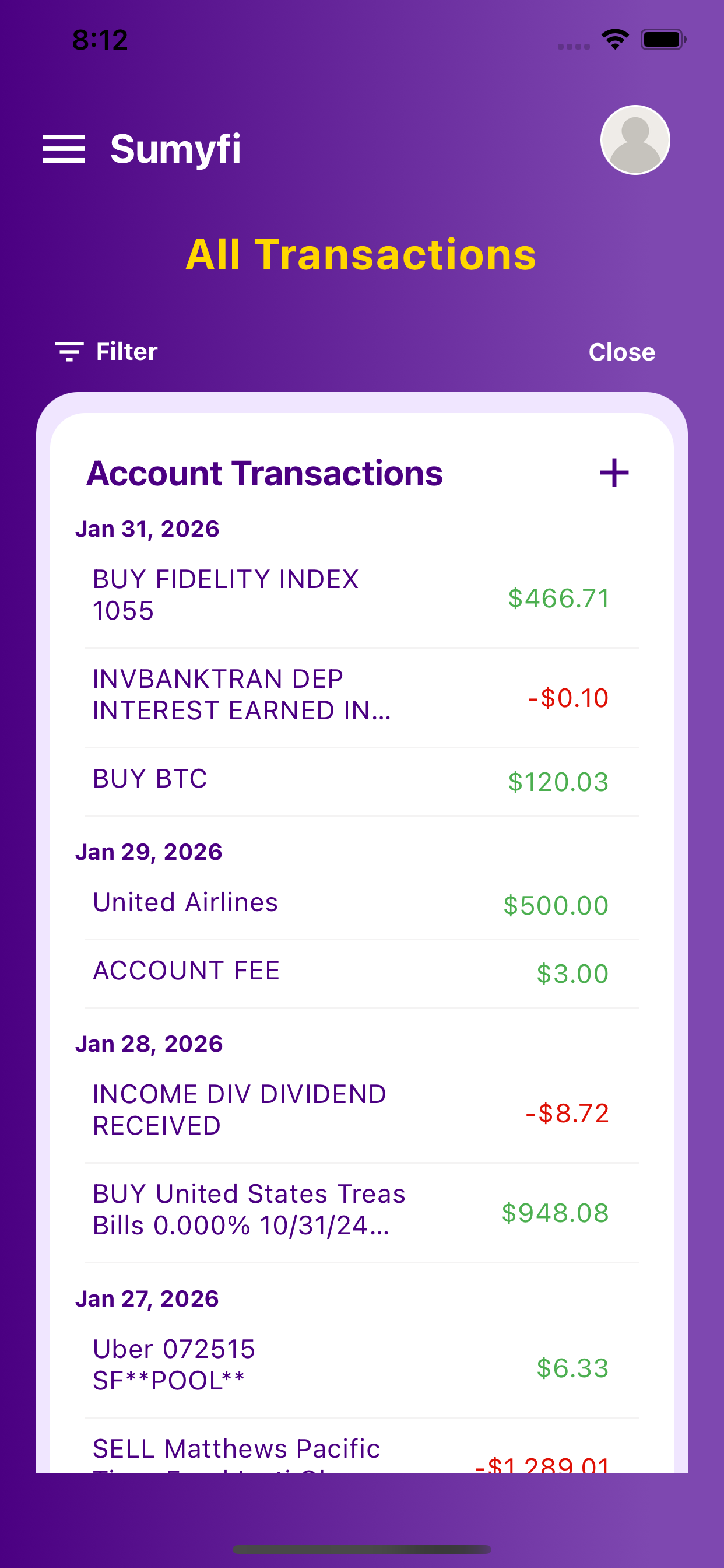
Organizing all financial accounts in one place matters because fragmented awareness creates slower, weaker money decisions.
We'll explore the evolution of financial management tools, dissect the critical features to look for in a modern solution, and ultimately reveal how Sumyfi stands as the preeminent, agile, and intelligent platform engineered to bring absolute order and empowering insights to your entire financial ecosystem, seamlessly connecting thousands of institutions across the US and Canada. Prepare to transcend the chaos and unlock a new era of financial mastery.
The Modern Financial Labyrinth: Why Fragmentation is a Problem
Imagine trying to assemble a 1,000-piece puzzle without ever seeing the complete picture. This analogy perfectly encapsulates the challenge of managing disparate financial accounts. The average adult today juggles numerous financial relationships:
Each of these accounts lives on a separate platform, requiring unique login credentials, separate statements, and individual monitoring. The cumulative effect of this fragmentation is far more detrimental than mere inconvenience:
The imperative to organize all financial accounts in one place is not merely about tidiness; it's about reclaiming control, fostering clarity, and empowering yourself to make superior financial decisions with confidence and peace of mind.
Multiple Bank Accounts: Often a primary checking, a high-yield savings, perhaps a joint account, or even a business account.
Credit Cards: Several cards for different rewards, balance transfers, or specific purchase categories.
Investment Portfolios
Brokerage accounts, IRAs, 401(k)s, Roth accounts, robo-advisors, and increasingly, cryptocurrency wallets.
Loans
Student loans, auto loans, personal loans, and the ever-present mortgage.
Other Assets/Liabilities
Real estate, vehicles, peer-to-peer lending, or even recurring subscriptions.
Financial Blind Spots
Without a unified view, it's virtually impossible to grasp your true financial position. You might overestimate your available cash, underestimate your total debt, or miss opportunities for optimization.
Increased Stress and Anxiety
The constant mental burden of remembering account balances, upcoming bills, and investment performance across various portals is a significant source of stress. This "financial fatigue" can lead to procrastination and avoidance.
Difficulty in Budgeting and Goal Setting
Crafting an effective budget or setting realistic financial goals (like saving for a down payment or retirement) becomes an exercise in guesswork when you lack a consolidated overview of income, expenses, and assets.
Vulnerability to Fraud and Errors
Monitoring individual accounts for suspicious activity is tedious. A consolidated view makes it easier to spot anomalous transactions or billing errors across your entire financial footprint.
Time-Consuming Manual Tracking
For those who attempt to overcome fragmentation with spreadsheets, the effort is monumental. Manual data entry, reconciliation, and updating are not only prone to human error but consume valuable time that could be spent on more strategic financial planning or personal pursuits.
The Unassailable Benefits of Centralizing Your Financial World
Bringing all your financial data under a single roof transforms a chaotic collection of numbers into an actionable narrative. The advantages are multi-faceted and profoundly impactful on your financial health and overall well-being.
Holistic Financial Visibility: Seeing the Full Picture
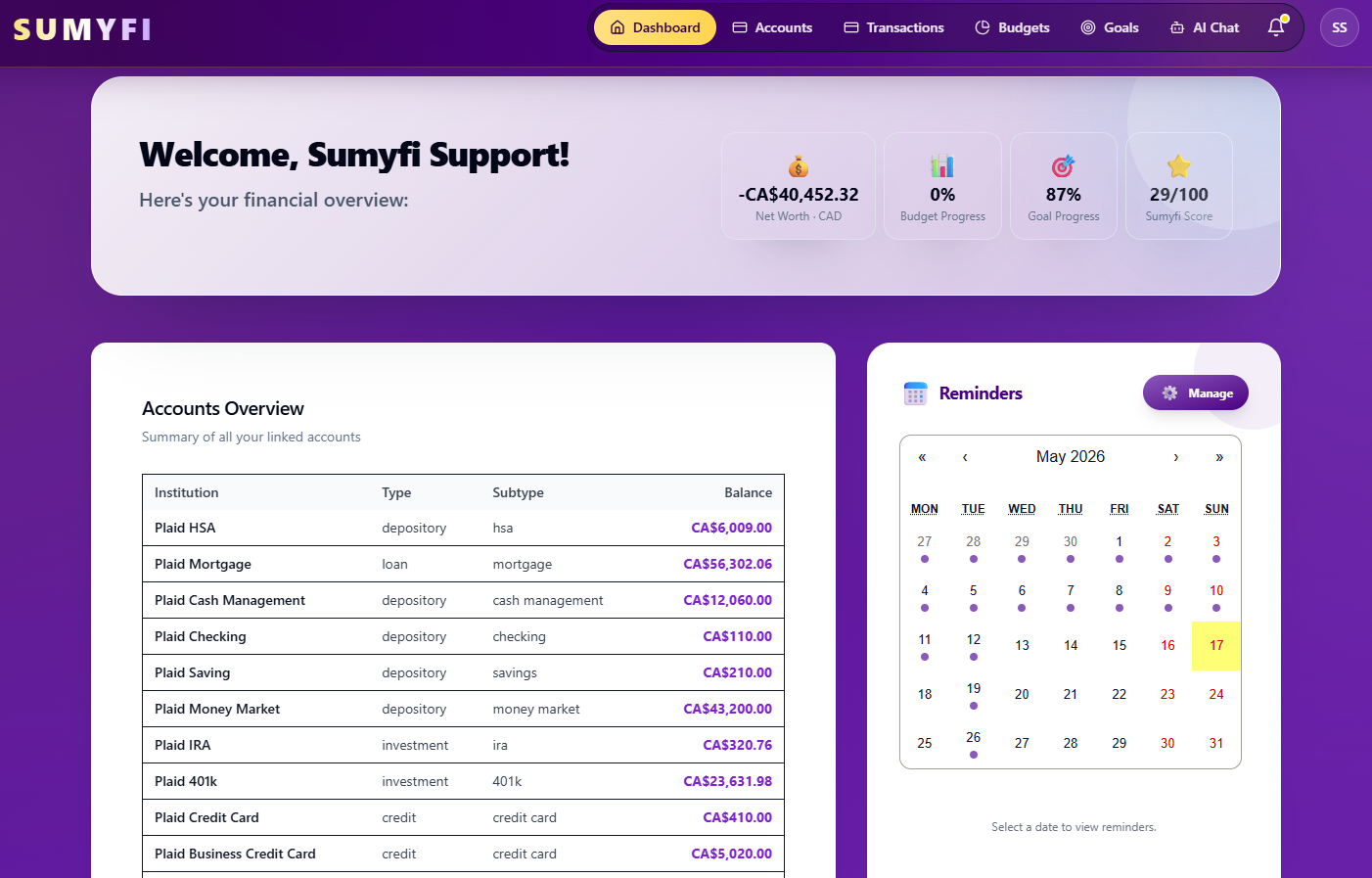
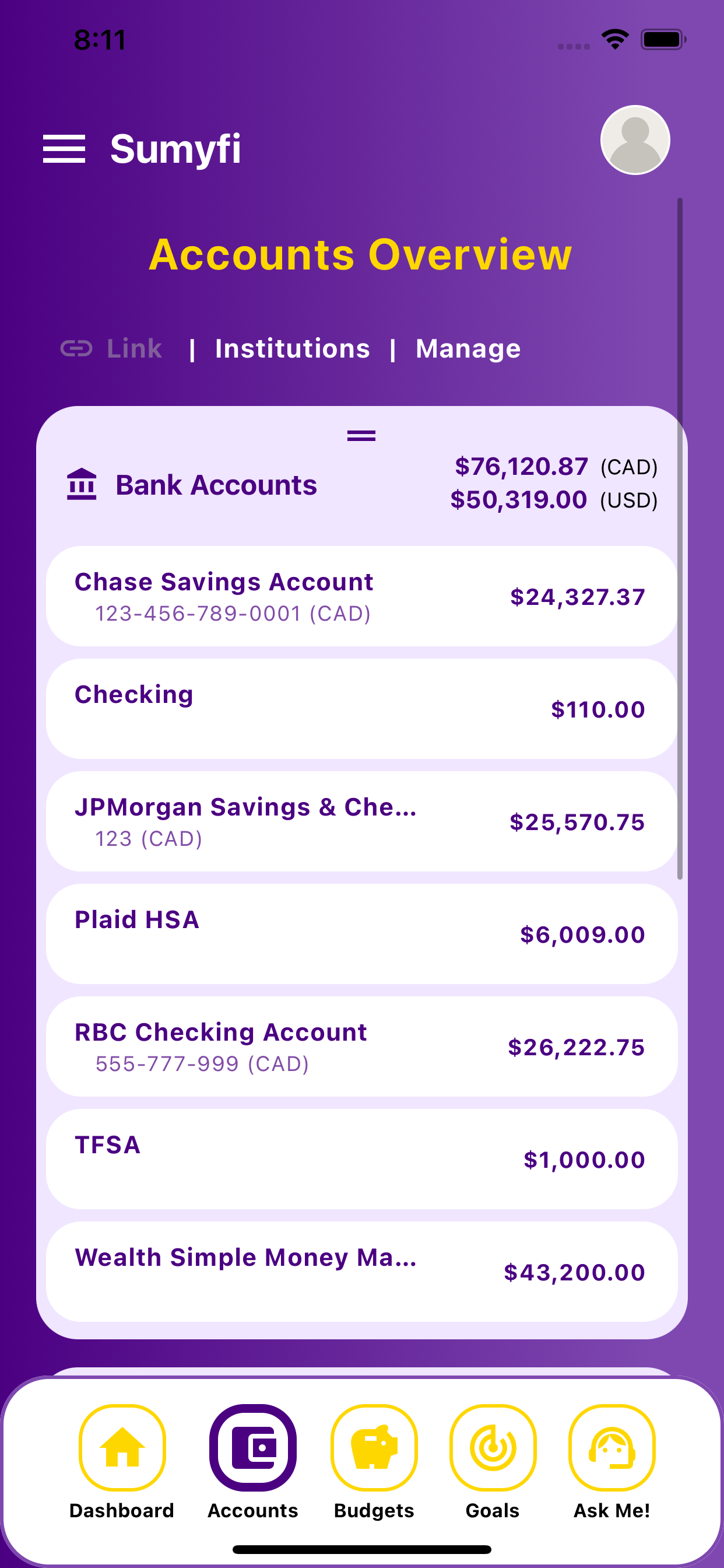
The most immediate and powerful benefit of centralizing your accounts is the attainment of holistic financial visibility. Instead of logging into five different banking apps, two investment platforms, and a loan servicer, you gain an instantaneous, comprehensive snapshot of your entire financial universe.
Enhanced Decision-Making: Data-Driven Choices
When you organize all financial accounts in one place, you transform raw data into actionable intelligence. This empowers you to make smarter, more informed financial decisions.
Time Savings and Efficiency: Automating Tedious Tasks
The time spent logging into various portals, downloading statements, and manually updating spreadsheets is not just unproductive; it's a drain on your mental energy. A centralized platform automates these tedious tasks.
Improved Financial Security: Easier Fraud Detection
While the idea of consolidating data might initially raise security concerns for some, modern, reputable platforms prioritize robust security measures. In fact, centralizing your finances can *enhance* security.
Stress Reduction and Peace of Mind: Clarity Brings Calm
Financial stress is a pervasive issue. Much of this stress stems from uncertainty, a lack of control, and the feeling of being overwhelmed.
Simplified Financial Planning: Goal Setting and Progress Tracking
Long-term financial planning becomes infinitely more manageable when all your data is integrated.
The decision to organize all financial accounts in one place is, therefore, not just a convenience; it's a strategic move towards greater financial intelligence, reduced stress, and ultimately, a more secure and prosperous future.
Real-time Net Worth Tracking: Understand your true financial standing at any given moment by seeing all assets (bank balances, investments, property value) minus all liabilities (loans, credit card debt). This is the bedrock of financial planning.
Aggregated Cash Flow: Clearly see your total income streams versus your total expenditures across all accounts, providing an accurate picture of your disposable income and spending patterns.
Investment Performance at a Glance: Monitor the collective performance of your entire investment portfolio, regardless of where individual assets are held, simplifying diversification analysis and rebalancing decisions.
Debt Overview
Get a clear, consolidated view of all your outstanding debts, including interest rates and minimum payments, facilitating strategic debt repayment planning.
Strategic Budgeting
With a clear view of all income and expenses, you can create realistic, data-backed budgets that genuinely reflect your spending habits and financial capacity.
Optimized Savings and Investments
Identify opportunities to reallocate funds to higher-yield savings accounts, optimize investment contributions, or identify underperforming assets.
Debt Management Strategies
Develop targeted strategies for debt reduction, such as the snowball or avalanche method, by having all debt details conveniently accessible.
Preparedness for Major Life Events
Whether saving for a house, retirement, or a child's education, a consolidated view allows you to track progress against multiple goals simultaneously and adjust your strategy as needed.
Automated Data Aggregation
Accounts sync automatically, pulling in new transactions and balances without any manual intervention.
Streamlined Categorization
AI-powered categorization of transactions saves hours of manual sorting, providing immediate insights into spending.
Reduced Administrative Burden
Less time spent on financial administration means more time for pursuing personal interests, career development, or simply relaxing.
Proactive Anomaly Detection
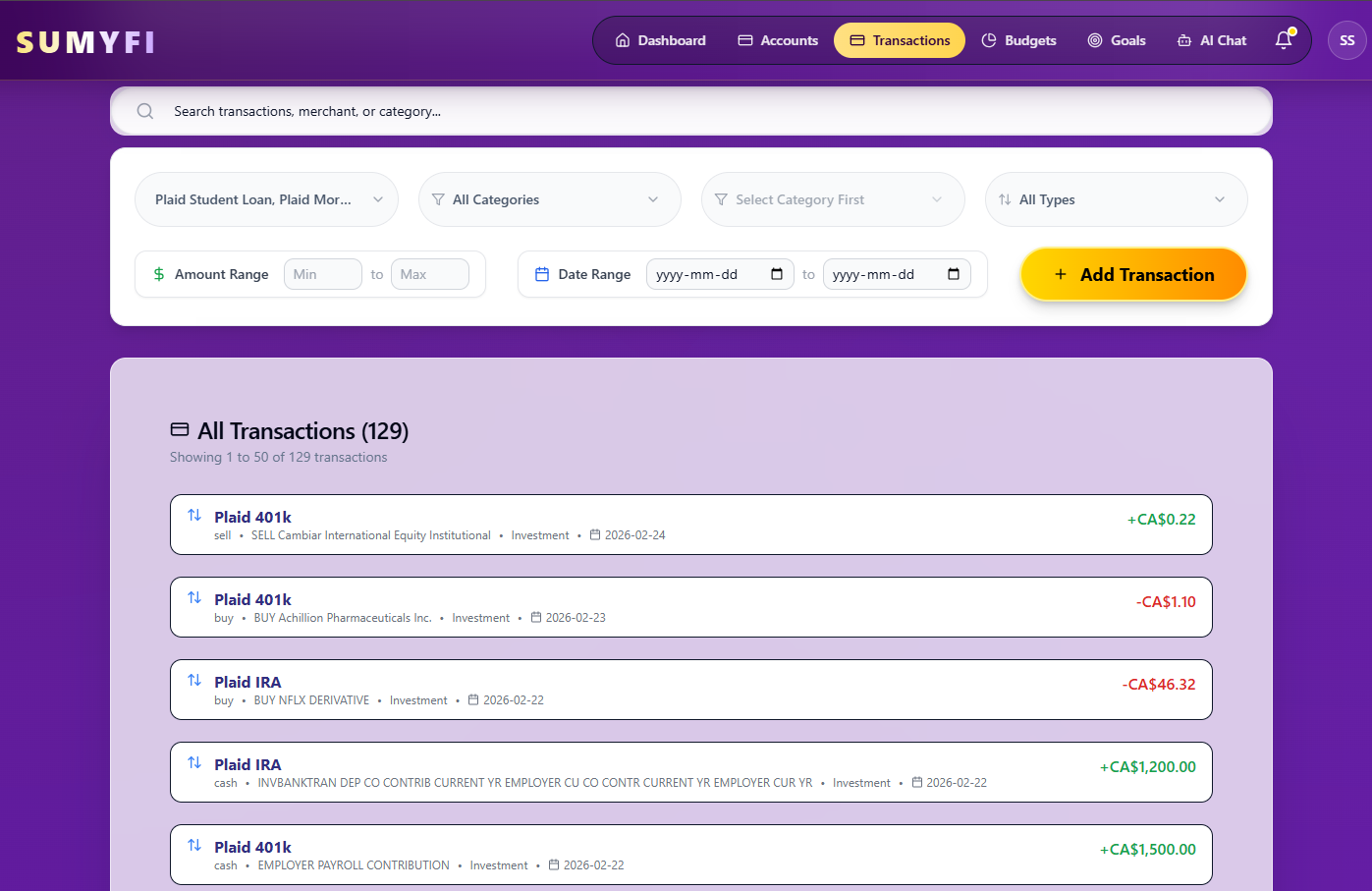
A single dashboard makes it significantly easier to spot unusual transactions or unauthorized activity across all your accounts. Instead of checking each account sporadically, a unified feed highlights anomalies.
Consolidated Alerts
Receive alerts for large transactions, low balances, or suspicious activity from all connected accounts in one place, enabling faster response times.
Reduced Login Fatigue
Fewer unique logins to remember (and potentially forget or reuse) can indirectly improve your overall cybersecurity posture.
Eliminating Guesswork
No more wondering if you have enough funds for a purchase or if a bill has cleared. Instant access to accurate balances provides certainty.
Sense of Control
Understanding precisely where your money is going and where it stands empowers you. This sense of control is a powerful antidote to financial anxiety.
Clear Path to Goals
Seeing your progress towards financial goals laid out clearly provides motivation and reduces the stress associated with abstract objectives.
Integrated Goal Tracking
Link specific savings or investment goals to your actual account balances and contributions.
Scenario Planning
Some advanced platforms allow for hypothetical scenario planning, helping you visualize the impact of different financial decisions on your future.
Easier Collaboration with Advisors
If you work with a financial advisor, providing them with a consolidated view of your finances can streamline their work and lead to more tailored advice.
The Evolution of Financial Organization: From Ledgers to AI
The journey to effectively organize all financial accounts in one place has been a fascinating technological progression, mirroring the increasing complexity of personal finance itself. Understanding this evolution helps appreciate the sophistication of today's cutting-edge solutions.
The Era of Manual Spreadsheets: Control vs. Labor
For decades, and still for many today, the humble spreadsheet (or even a physical ledger) was the primary tool for financial organization.
Early Aggregators and Legacy Software: A Step Forward, But With Limitations
The late 1990s and early 2000s saw the emergence of desktop software like Quicken and the rise of online aggregators like Mint. These represented a significant leap forward.
While these tools paved the way, their limitations-ranging from clunky interfaces and slow syncing to aggressive advertising and restricted feature sets-highlighted the need for a truly modern, agile, and intelligent solution.
The Dawn of Modern FinTech: Agile, Intuitive, Intelligent
Today, the financial technology (FinTech) landscape is dominated by platforms built from the ground up with modern engineering principles, cloud-native architectures, and a deep understanding of user experience. These next-generation solutions are characterized by:
This evolution culminates in platforms like Sumyfi, which are not just tools but comprehensive financial hubs designed to empower users to not only organize all financial accounts in one place but also to truly master their financial destiny.
Pros: Absolute control over data entry, complete customization, no reliance on third-party software.
Cons: Extremely labor-intensive, prone to human error, constantly outdated unless meticulously updated, no real-time insights, limited analytical capabilities without advanced Excel skills.
Relevance Today: While powerful for specific, highly customized analyses, spreadsheets are largely inefficient for dynamic, comprehensive financial management due to the sheer volume and velocity of modern financial transactions.
Quicken (Desktop Software)
- What it offered: Robust budgeting, investment tracking, bill payment features, and the ability to connect to financial institutions (though often requiring manual download or direct connect features).
- Limitations: Primarily desktop-bound (though mobile apps emerged later), often clunky user interfaces, required manual updates and backups, could be expensive, and had a steep learning curve. Data synchronization could be slow and unreliable.
Mint (Online Aggregator)
- What it offered: Pioneered free online account aggregation, visual dashboards, basic budgeting, and net worth tracking. Made it easy for many to organize all financial accounts in one place for the first time without cost.
- Limitations: Often criticized for slow syncing, frequent connectivity issues, aggressive advertising, limited customization, and a less sophisticated approach to budgeting and investment analysis compared to dedicated tools. Its free model often meant compromises in user experience and feature depth.
YNAB (You Need A Budget)
What it offered
A highly prescriptive, "zero-based budgeting" methodology that helped users allocate every dollar. Strong community and educational resources.
Limitations
Primarily focused on budgeting, less comprehensive for investment tracking or broader net worth management. Its specific methodology isn't for everyone, and it has a subscription cost.
Monarch Money / Rocket Money
Newer entrants, often offering a more modern UI than Mint, but still with varying feature sets, pricing models, and sometimes lacking the sheer institutional connectivity or depth required for truly comprehensive management.
Real-time Data Syncing
Leveraging advanced APIs and secure aggregation technologies for near-instantaneous updates.
AI and Machine Learning
Powering automated transaction categorization, predictive insights, and personalized financial advice.
Robust Security
Employing bank-grade encryption, multi-factor authentication, and read-only access protocols.
Broad Institutional Connectivity
Spanning thousands of banks, credit unions, investment firms, and even alternative asset platforms across vast geographies (like the US and Canada).
Comprehensive Feature Sets
Moving beyond mere aggregation to offer integrated net worth tracking, advanced budgeting, bill management, goal setting, and more.
How to Strategically Organize All Financial Accounts in One Place
Embarking on the journey to centralize your finances is a strategic move that requires a methodical approach. While modern platforms like Sumyfi automate much of the heavy lifting, a foundational understanding of the process will maximize your success.
Step 1: Inventory Your Financial Landscape
Before you can organize, you must first understand what you have. This initial audit is crucial.
Step 2: Define Your Financial Goals
Organization without purpose is merely tidiness. To truly benefit from a consolidated financial view, define what you want to achieve.
Having clear goals will help you leverage your centralized financial data to track progress, identify areas for improvement, and make targeted decisions.
Step 3: Choose the Right Platform
This is arguably the most critical step. The platform you choose will dictate the efficacy, ease, and security of your financial organization.
Step 4: Securely Connect Your Accounts
Once you've chosen your platform, the next step is to link all your financial accounts.
Step 5: Categorize and Automate
With your accounts connected, the real power of a centralized system begins to manifest.
Step 6: Regular Review and Optimization
Organizing your finances isn't a one-time event; it's an ongoing process.
By following these strategic steps, you'll not only organize all financial accounts in one place but also establish a robust framework for continuous financial management and growth.
List All Accounts: Create a comprehensive list of every financial account you possess. This includes:
Checking accounts
Savings accounts (including high-yield savings)
Credit cards (personal, business, store cards)
Investment accounts (brokerage, 401(k), IRA, Roth IRA, 529 plans, HSAs, robo-advisors)
Loan accounts (mortgage, auto, student, personal)
Digital wallets (PayPal, Venmo, Cash App)
Cryptocurrency exchanges/wallets
Any other assets (e.g., real estate value, vehicle value, precious metals)
Gather Login Credentials: For each account, ensure you have the correct username and password. This will be essential for connecting them to your chosen aggregation platform. Consider using a secure password manager for this step.
Review Recent Statements: Briefly review recent statements for each account to get a general idea of balances, recent transactions, and recurring charges. This helps in identifying any forgotten accounts or subscriptions.
Short-Term Goals (1-3 years): Emergency fund creation, debt repayment (e.g., credit card debt), saving for a vacation or a new gadget.
Mid-Term Goals (3-10 years): Down payment for a house, car purchase, starting a business, significant home renovations.
Long-Term Goals (10+ years): Retirement planning, child's education fund, significant wealth accumulation.
Ongoing Goals: Consistent budgeting, improving credit score, optimizing investments.
Connectivity: Does it support all your financial institutions, including banks, credit unions, investment firms, and niche services across your geographic region (e.g., US and Canada)? Sumyfi's vast network is a key differentiator here.
Features: Beyond mere aggregation, what specific tools does it offer?
Net worth tracking
Automated budgeting and spending analysis
Bill and subscription management
Goal setting and progress tracking
Investment performance tracking
Customizable categories and tags
User Experience (UX): Is the interface intuitive, clean, and easy to navigate? A clunky or confusing interface will deter consistent use.
Security: What encryption standards, authentication protocols (MFA), and data privacy policies are in place? Ensure it uses read-only access.
Support: What kind of customer support is available?
Cost vs. Value: Is it a free service (often with advertising or limited features) or a paid subscription (offering advanced features and a cleaner experience)? Consider the long-term value.
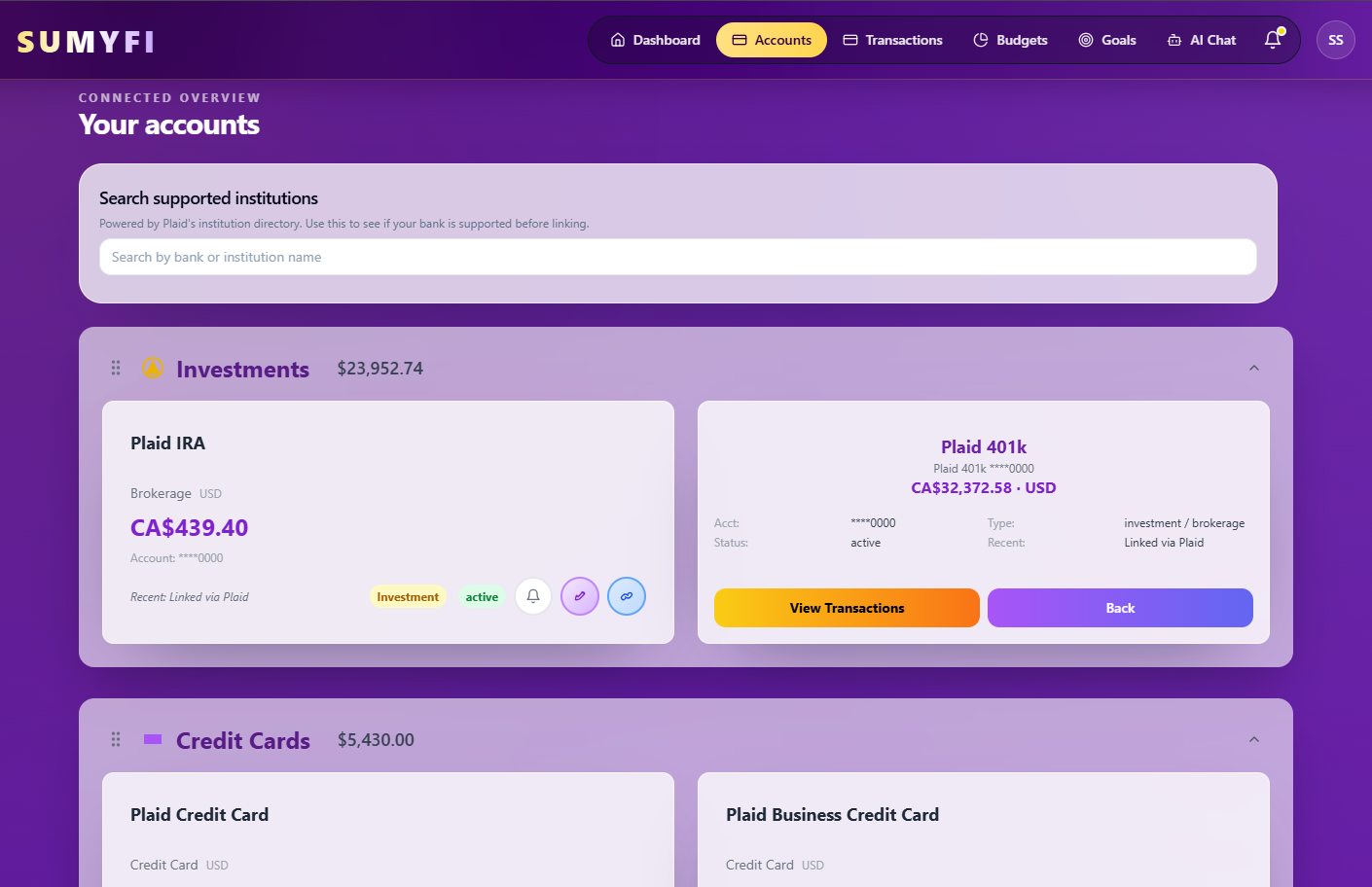
Follow Onboarding Instructions: Modern platforms like Sumyfi have streamlined onboarding processes. You'll typically search for your financial institution by name.
Enter Credentials: You'll be prompted to enter your online banking/investment login credentials. Crucially, reputable aggregators use secure, encrypted connections and typically only have read-only access to your data, meaning they cannot move money or initiate transactions.
Verify Connections: After connecting, verify that the initial data syncs correctly and that all your accounts are visible.
Troubleshoot as Needed: Occasionally, an account might fail to connect or require additional verification (e.g., a security question). Follow the platform's prompts or contact support if issues persist.
Review Transaction Categorization: Most platforms use AI to automatically categorize transactions. Review these categories and adjust them as needed for accuracy. The more you refine, the smarter the system becomes.
Create Custom Categories: If default categories don't fit your needs, create custom ones (e.g., "Hobby Supplies," "Pet Care," "Home Improvement Project X").
Set Up Budgeting Rules: Based on your financial goals, allocate funds to different spending categories.
Track Recurring Bills and Subscriptions: Identify all your recurring payments and set up reminders or integrate them into your bill tracker. This prevents missed payments and helps identify forgotten subscriptions.
Automate Alerts: Configure alerts for low balances, large transactions, upcoming bills, or significant changes in net worth.
Weekly/Bi-Weekly Check-ins: Dedicate a short period to review your dashboard, check balances, and categorize new transactions. This keeps your data accurate and your financial picture clear.
Monthly Budget Review: At the end of each month, review your budget performance. Where did you overspend? Where did you save? Adjust your budget for the next month based on these insights.
Quarterly/Annual Financial Health Check: Take a deeper dive into your net worth, investment performance, and debt reduction progress. Re-evaluate your financial goals and make strategic adjustments.
Account Optimization: Periodically review your accounts. Are there any dormant accounts you can close? Can you consolidate high-interest debt? Are your savings earning competitive rates?
Sumyfi: The Ultimate Hub to Organize All Financial Accounts in One Place
Built on agile engineering principles and a user-centric philosophy, Sumyfi transcends traditional aggregators, offering a comprehensive, intuitive, and lightning-fast financial hub.
Engineered for Simplicity and Power
Sumyfi's core strength lies in its sophisticated yet user-friendly design, making complex financial management feel effortless.
Beyond Aggregation: Comprehensive Financial Management
Sumyfi isn't just about showing you your accounts; it's about giving you the tools to actively manage, optimize, and grow your wealth.
Unwavering Security and Privacy
At Sumyfi, we understand that trust is paramount when dealing with sensitive financial data. Our security architecture is built to the highest industry standards.
The Sumyfi Advantage Over Legacy Solutions
While many apps promise to organize all financial accounts in one place, Sumyfi delivers on that promise with a modern edge that leaves legacy solutions behind.
Lightning-Fast Setup: We understand that your time is valuable. Sumyfi's onboarding process is designed for speed and simplicity, allowing you to connect your first accounts and see your financial snapshot within minutes, not hours. Our intuitive interface guides you seamlessly through each step.
Real-time Data Sync: Leveraging cutting-edge API technology, Sumyfi provides near real-time updates for all your connected accounts. This means your balances, transactions, and investment values are always current, giving you the most accurate picture of your finances at any given moment. No more waiting hours or days for data to refresh.
Automated Net Worth Tracking
This is the cornerstone of true financial understanding. Sumyfi automatically calculates and tracks your net worth by aggregating all your assets (bank balances, investments, real estate, vehicles) and subtracting all your liabilities (loans, credit card debt). Visualize your wealth growth over time with historical data and insightful charts.
AI-Powered Transaction Categorization
Say goodbye to manual categorization. Sumyfi's intelligent algorithms automatically categorize your transactions with remarkable accuracy. You can easily review, adjust, and create custom categories, teaching the system to become even smarter over time. This provides immediate, granular insights into where your money is truly going.
Granular Budgeting & Spending Analysis
Take control of your cash flow. Sumyfi offers flexible budgeting tools that allow you to set spending limits by category, track your progress in real-time, and identify areas for savings. Our detailed spending analysis reports break down your expenditures, helping you understand habits and make informed adjustments.
Automated Bill & Subscription Tracking
Never miss a payment or forget a recurring charge again. Sumyfi identifies and tracks all your bills and subscriptions, providing a clear calendar view of upcoming payments. Receive timely alerts to avoid late fees and easily identify forgotten subscriptions you might want to cancel.
Goal Setting & Progress Monitoring
Transform your financial aspirations into achievable milestones. Whether it's saving for a down payment, an emergency fund, or retirement, Sumyfi allows you to set specific goals and visually track your progress. See how your daily financial decisions impact your long-term objectives.
Bank-Grade Encryption
All data transmitted between your devices and Sumyfi's servers is protected with 256-bit AES encryption, the same level of security used by leading financial institutions.
Data Anonymization and Privacy
Your personal financial data is never sold or shared with third parties. We are committed to strict privacy policies, ensuring your information remains confidential and secure.