Bigger than budgeting
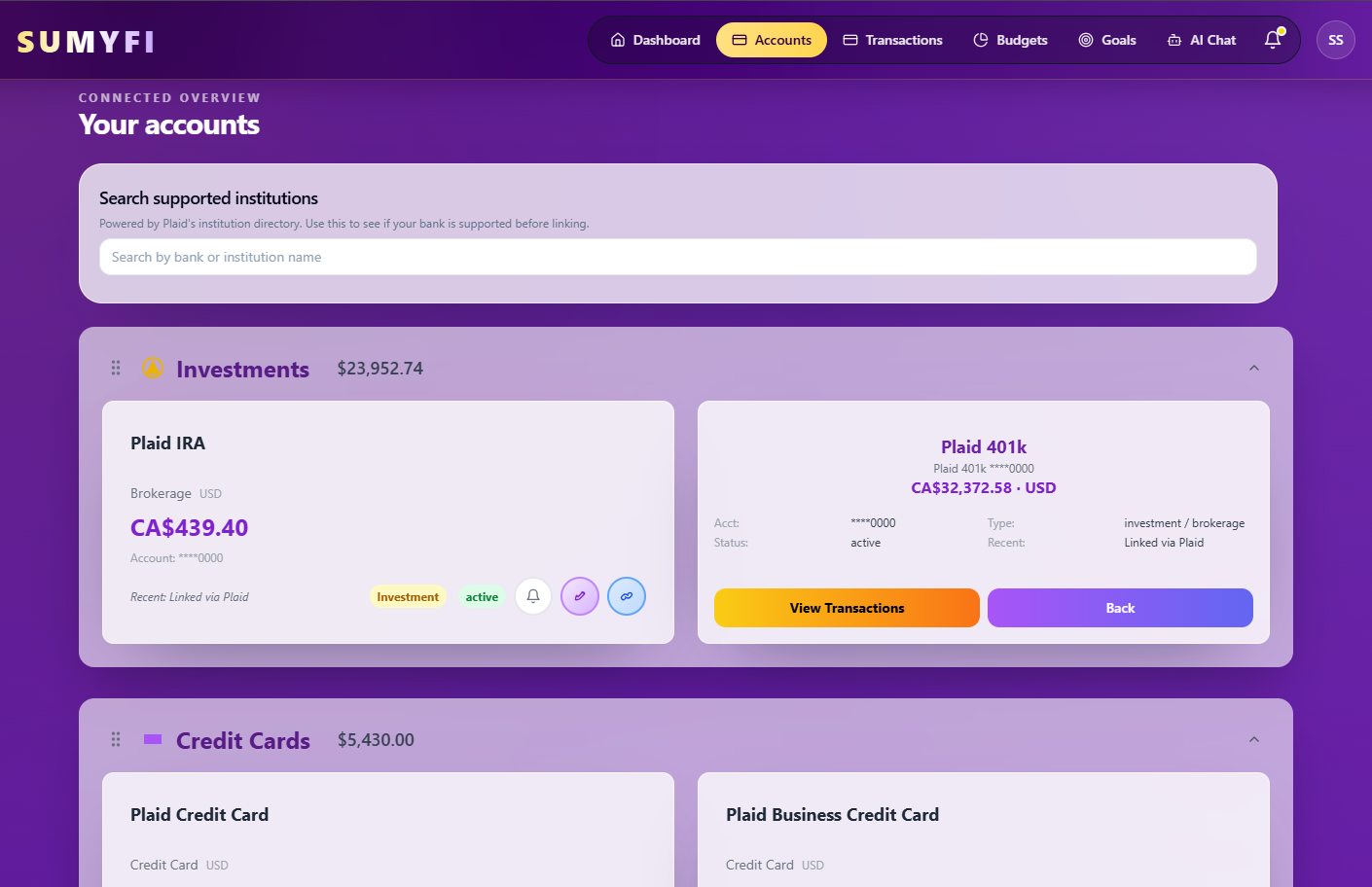
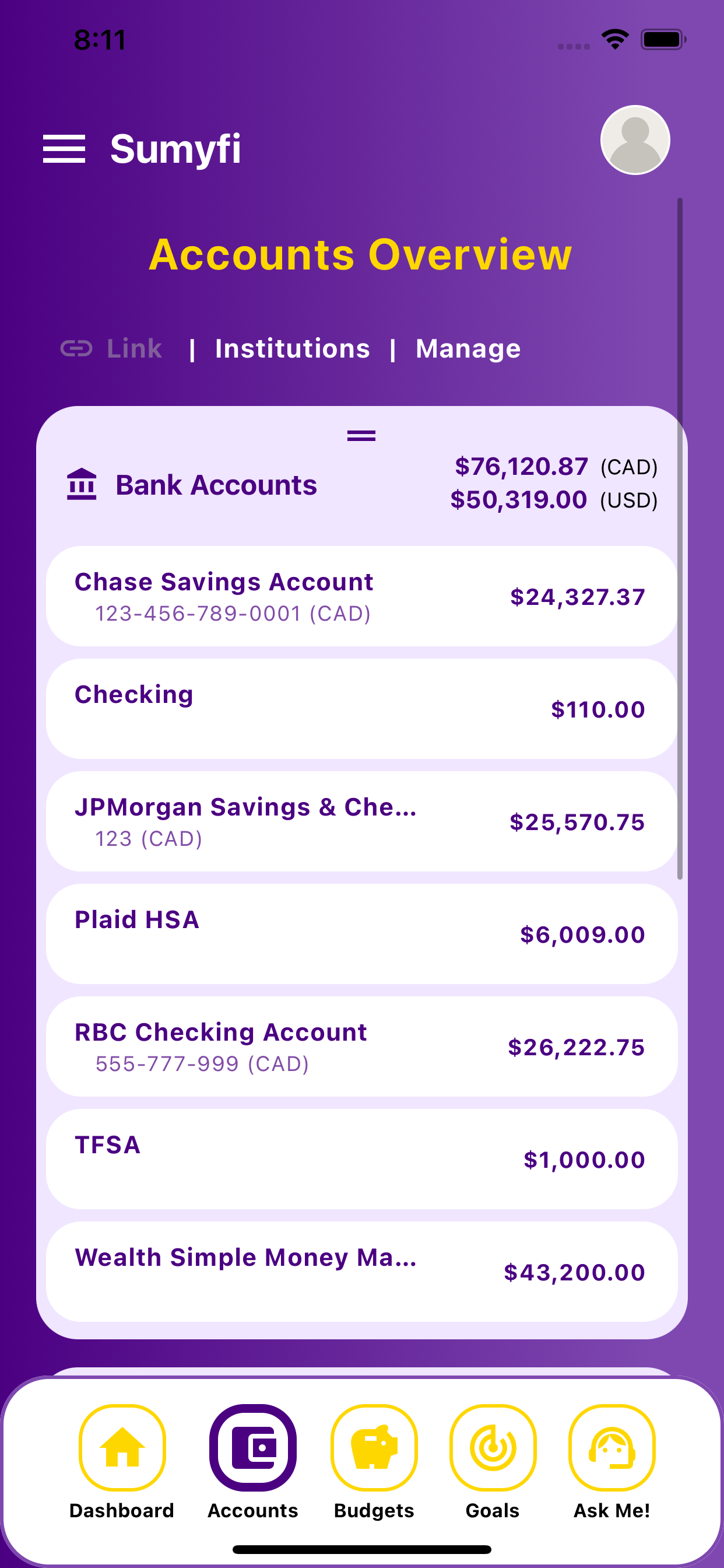
A personal finance app free trial should prove that connected visibility is useful in practice, not just neat in theory.
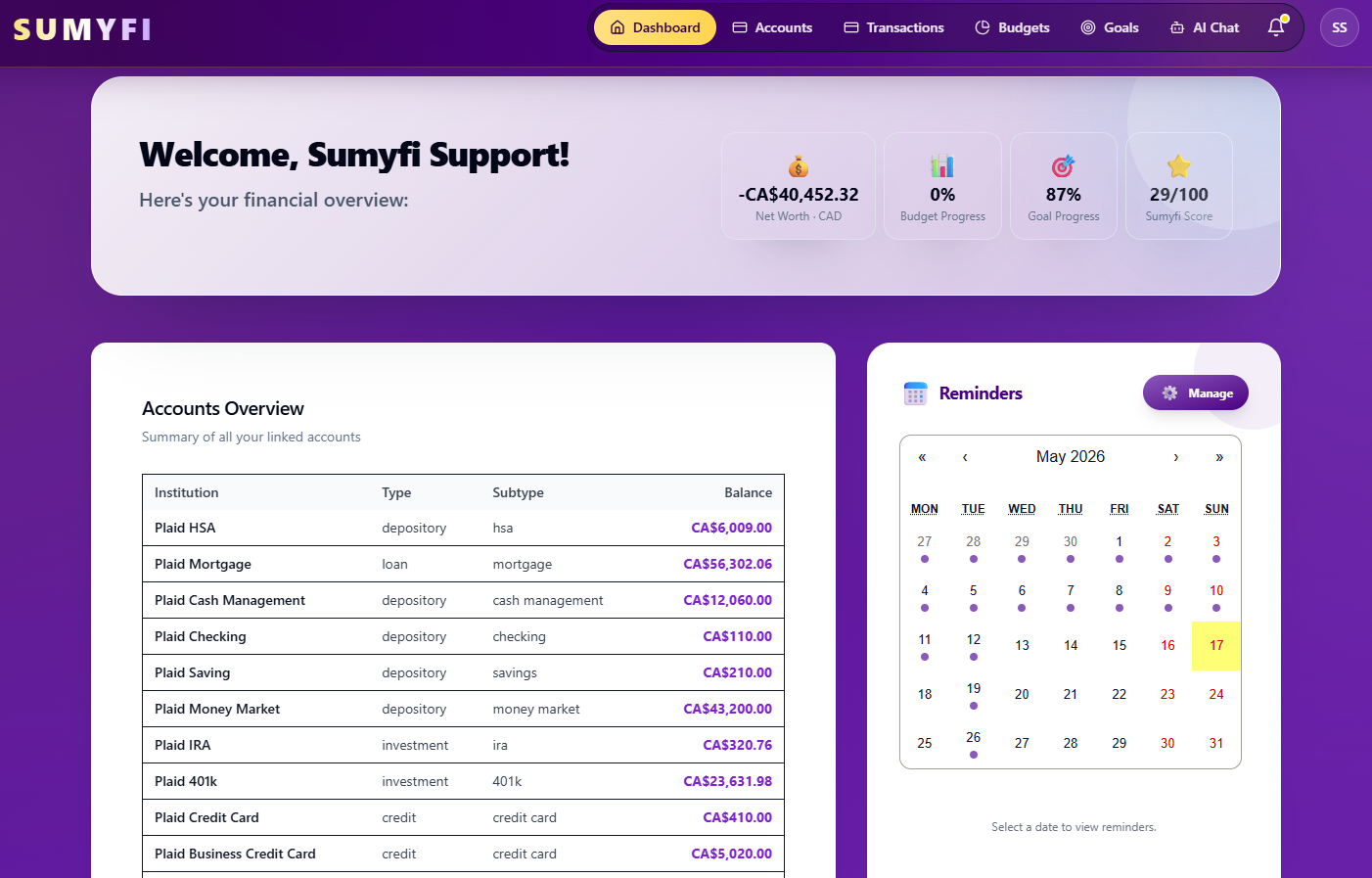
Use the trial to find out whether the dashboard becomes your default money home base
The easiest test is simple. After setup, when you want to check your money, where do you go first? If you still keep opening your bank app, your credit card app, and your own mental list of concerns, then the new app has not really earned its place yet.
A good trial changes that. You open the dashboard and the week starts making sense. Balances are there. Spending is there. Bills are there. You do not have to rebuild the story from scratch every time you look.
It is also worth seeing whether the app helps you think a little bit ahead. Can you tell if next week is going to feel tight? Can you tell if your recurring bills are starting to pile up? That kind of help matters more than extra widgets ever will.
- Would you open it first when something feels financially off?
- Can you read the whole money picture without stitching it together manually?
- Does the trial make your routine simpler or just more decorated?
The best free trial gives you enough friction to notice the truth
One useful thing about a free trial is that it gives the app time to disappoint you honestly. That is good. You want to notice the annoying parts before you start paying. If the dashboard still feels confusing after a few check-ins, that tells you something real.
The keepers feel different. They cut down the number of places you have to look. They make the full money picture easier to understand. And they make it a little less tempting to avoid checking your finances in the first place.
That is the standard. If the app cannot make money feel simpler during the free window, there is no strong reason to believe it will feel better later.
Continue with the 7-day trial overview, browse the Dashboard Hub after you decide whether this personal finance app free trial angle fits the routine you care about.