Young-adult money reality
A good free trial should help young adults feel more oriented financially without expecting them to already have a perfect routine.
Use the trial when life is normal, inconsistent, and a little messy
This is the part that matters most. Do not judge the app during your best possible week. Judge it when a payment lands unexpectedly, when you spend more than you meant to on dinner, when a subscription renews and annoys you, or when you do not really feel like dealing with money at all.
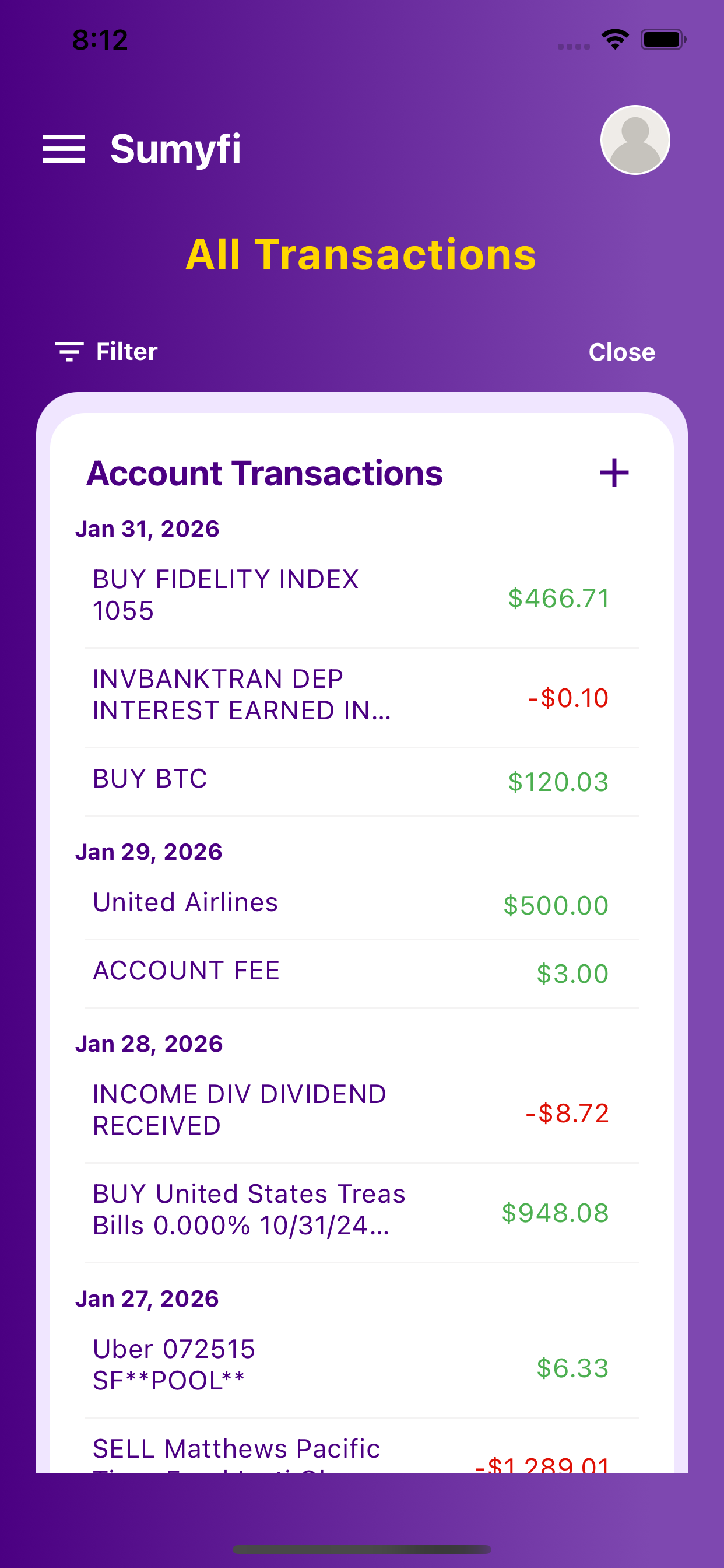
A good app should still help in those moments. The balances should make sense. The transaction list should tell a story. The recurring charges should not vanish into the background. You should be able to tell what matters next without too much effort.
It is also worth noticing whether the app becomes the place you check first when something feels off. If you still end up bouncing between your bank app, your notes app, and your own panic, then the new app has not really won the job yet.
That is not failure. That is the trial doing its job honestly.
- Would you actually open it first when money feels uncertain?
- Can you understand spending, balances, and recurring costs without piecing together three other sources?
- Does the app feel supportive during a messy week rather than only during a productive one?
The keeper is the app that helps you build money awareness without making you feel bad at being a person
The best finance app for a younger user often is not the strictest one or the one with the most features. It is the one that makes awareness easier to keep up. You open it, you understand something real, and you feel a little more in control afterward.
A good free trial gives you enough time to see whether the app can work with your current life while still helping you build better habits. If it can, it may be worth paying for. If it only feels useful in a version of life where you are already perfectly organized, move on.
The real question is whether the app makes you feel a little less lost. That is enough.
Continue with the 7-day trial overview, browse the Dashboard Hub after you decide whether this personal finance app free trial for young adults angle fits the routine you care about.