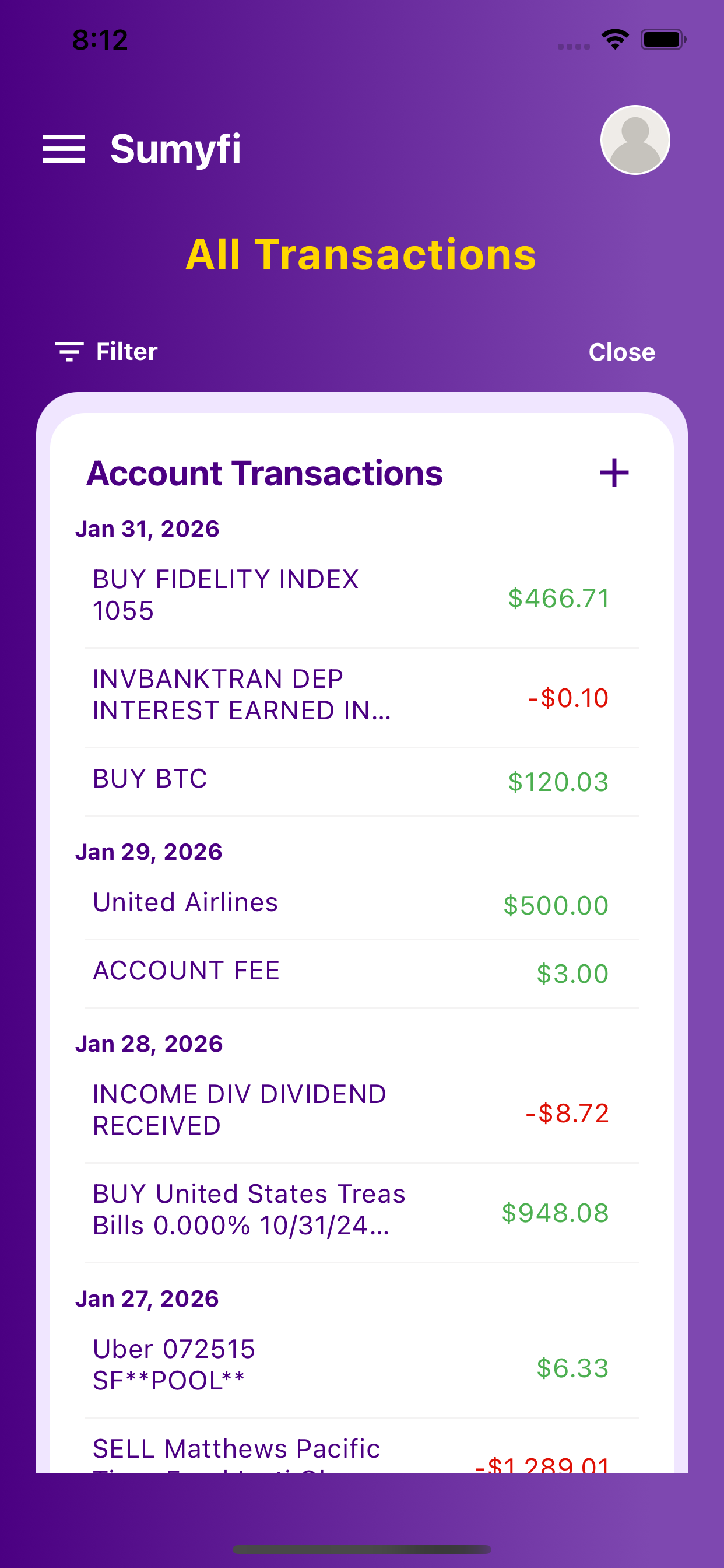
The key question is where the month starts slipping off course
Most people do not ask where their money goes because they literally cannot see transactions. They ask because the month keeps ending tighter than expected and the explanation is still fuzzy.
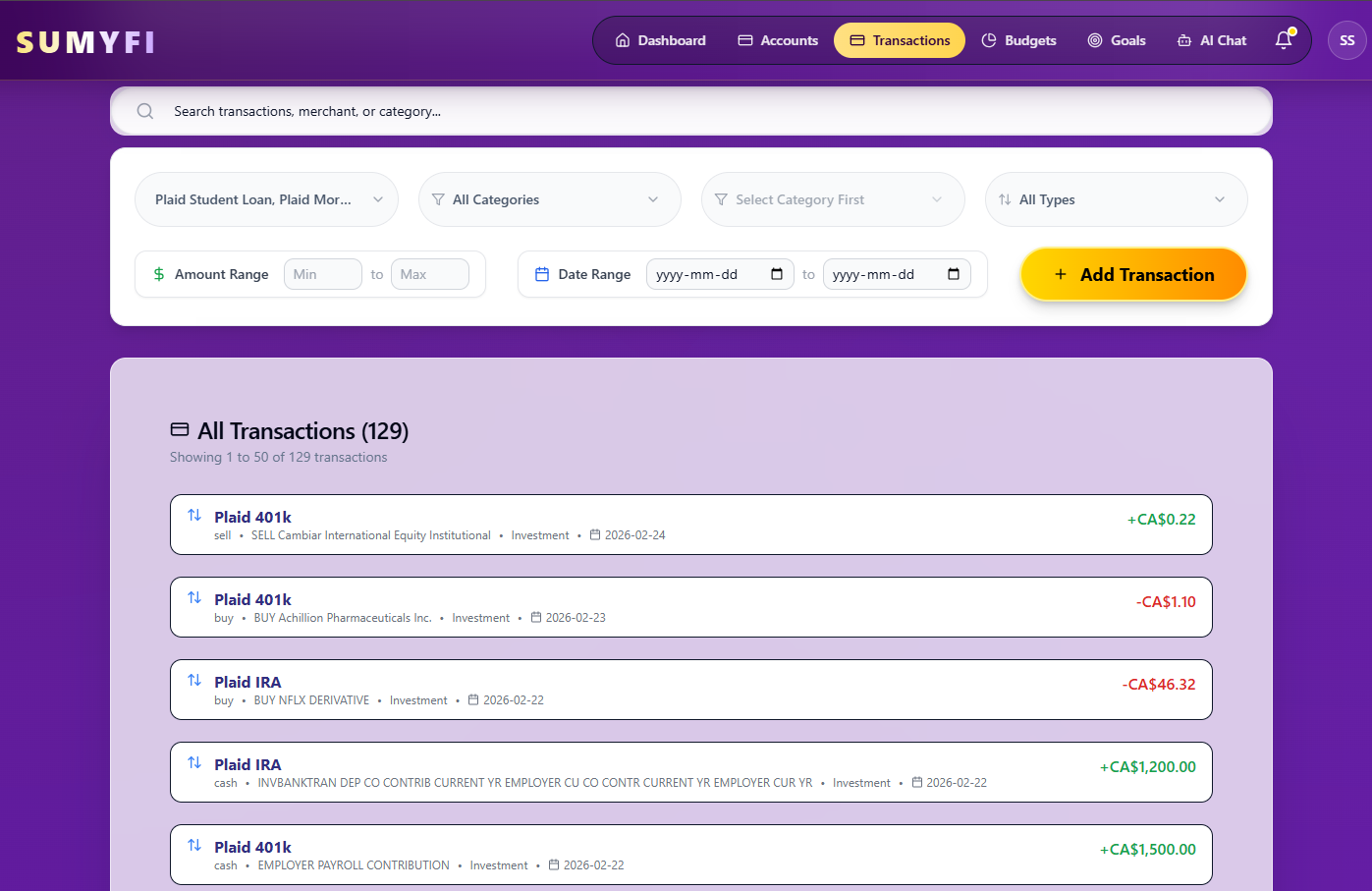
A good tool should reduce that fuzziness. It should show whether the pressure is coming from repeated takeout, quiet subscription creep, weekend spending, or a category that always grows faster than planned.
That kind of explanation is much more valuable than another feed of raw purchases.
- Find the category or habit that changes the month most
- Expose recurring-charge creep before it blends into the background
- Use the tool to explain pressure, not only record activity
Spending makes more sense when bills and balances stay nearby
A transaction rarely means much on its own. The same purchase can feel harmless or costly depending on what bills are due, what the account balances look like, and which goals are already under pressure.
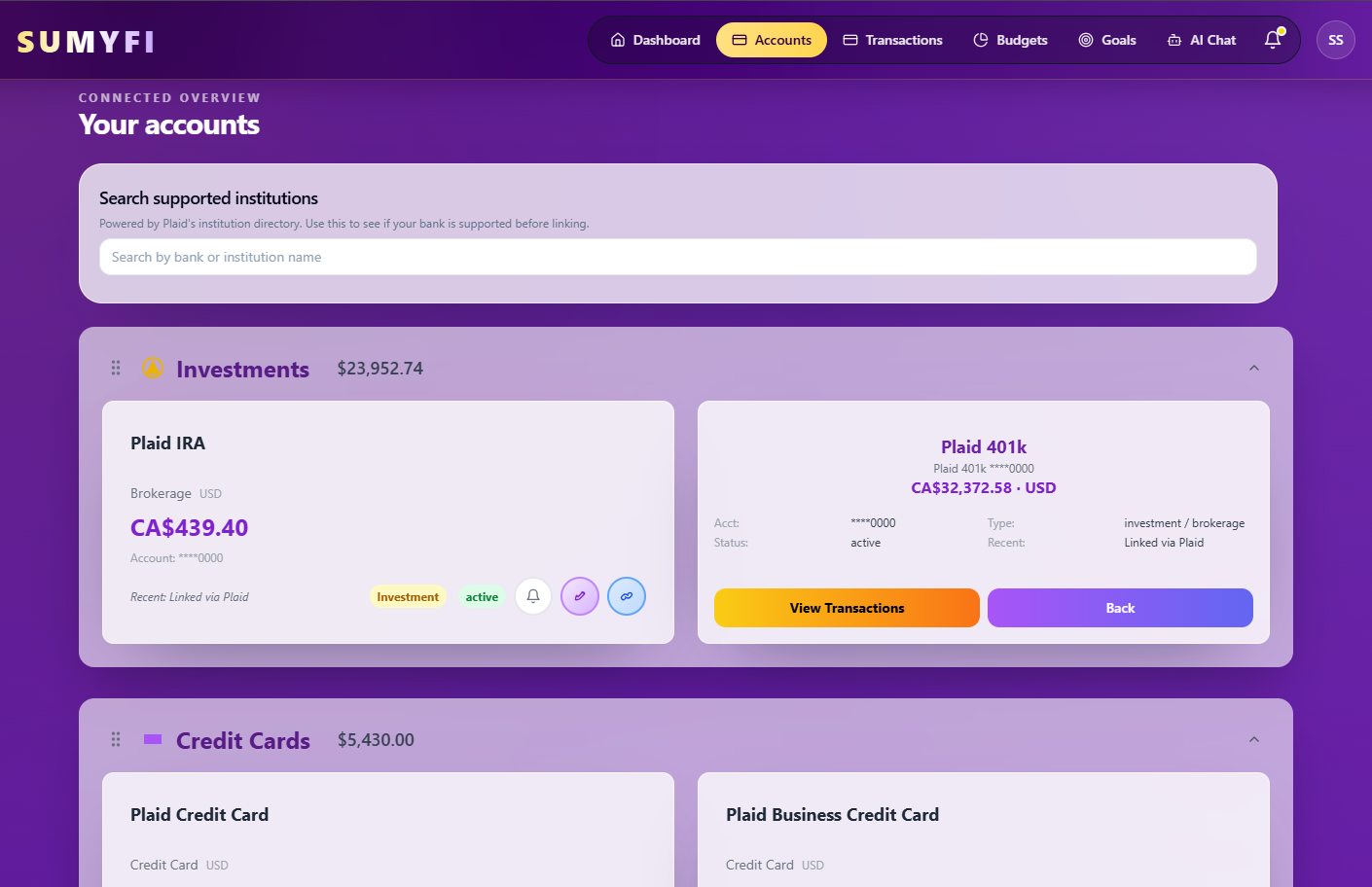
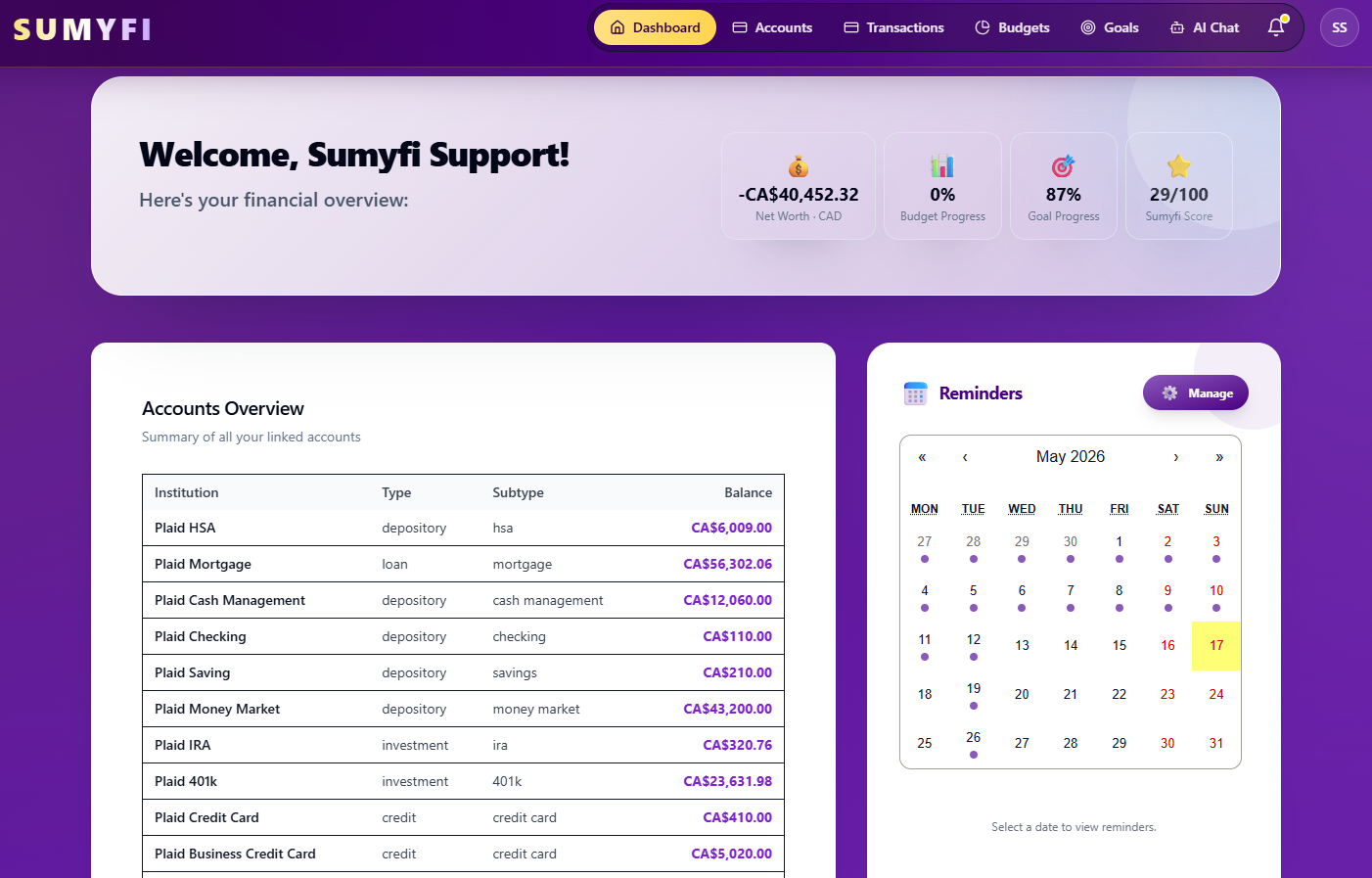
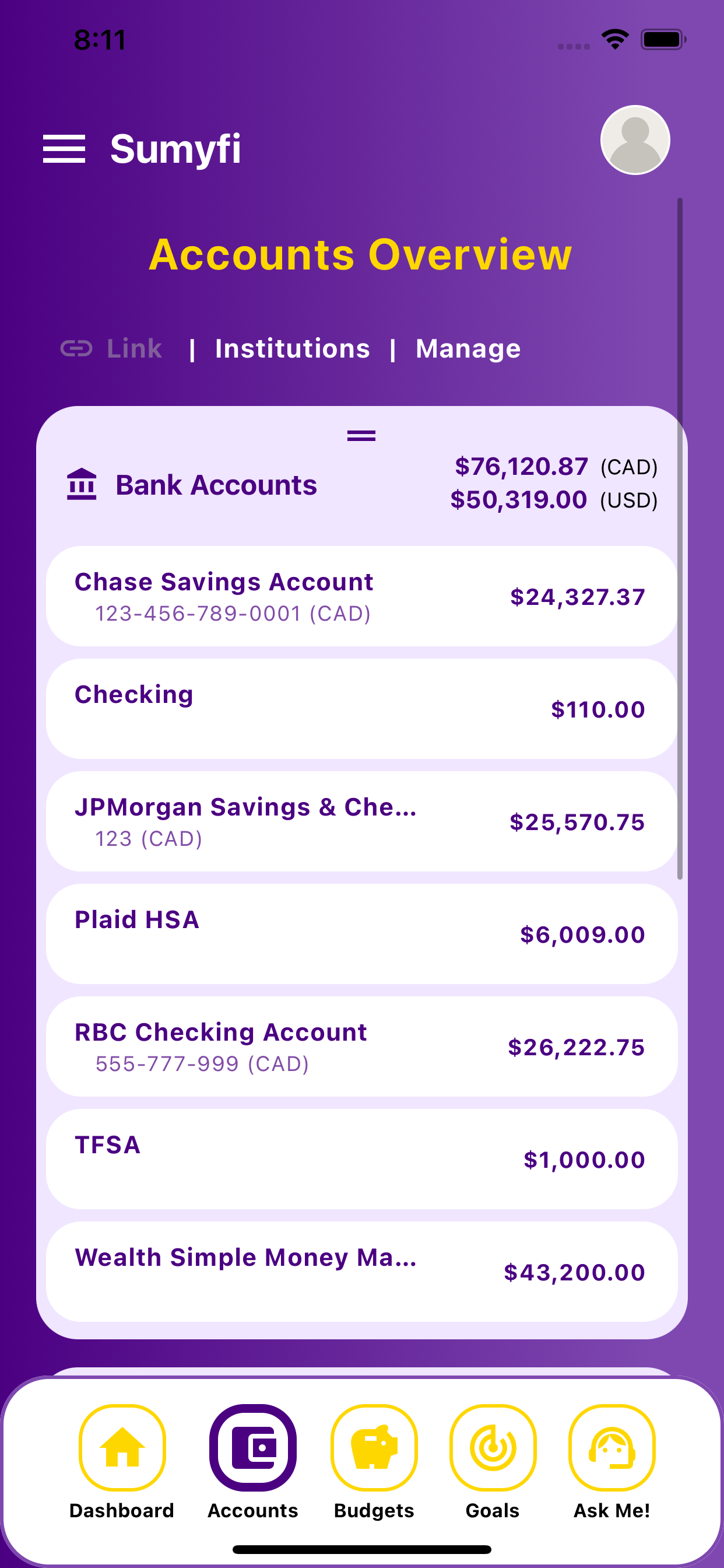
That is why the stronger tool keeps the surrounding money context visible. When categories, recurring bills, and balances live close together, it becomes easier to judge what should change first.
Without that context, tracking can look precise while still leaving the real decision unresolved.
- Keep balances and fixed bills in view
- Judge spending in context instead of in isolation
- Shorten the path from observation to action
The tool should produce one useful conclusion before attention drifts
The easiest practical test is a short review. Open the tool, scan recent spending, look at recurring charges, and decide what deserves attention first. If that conclusion arrives quickly, the tool is doing real work.
If the review still requires a second app, a spreadsheet, or a long mental reconstruction, the product is not yet fulfilling the promise behind the search.
A useful tracking tool makes the next move clearer while there is still time to make it.
- Aim for one useful conclusion in a short review
- Avoid tools that require outside reconstruction
- Use timing as the real measure of usefulness