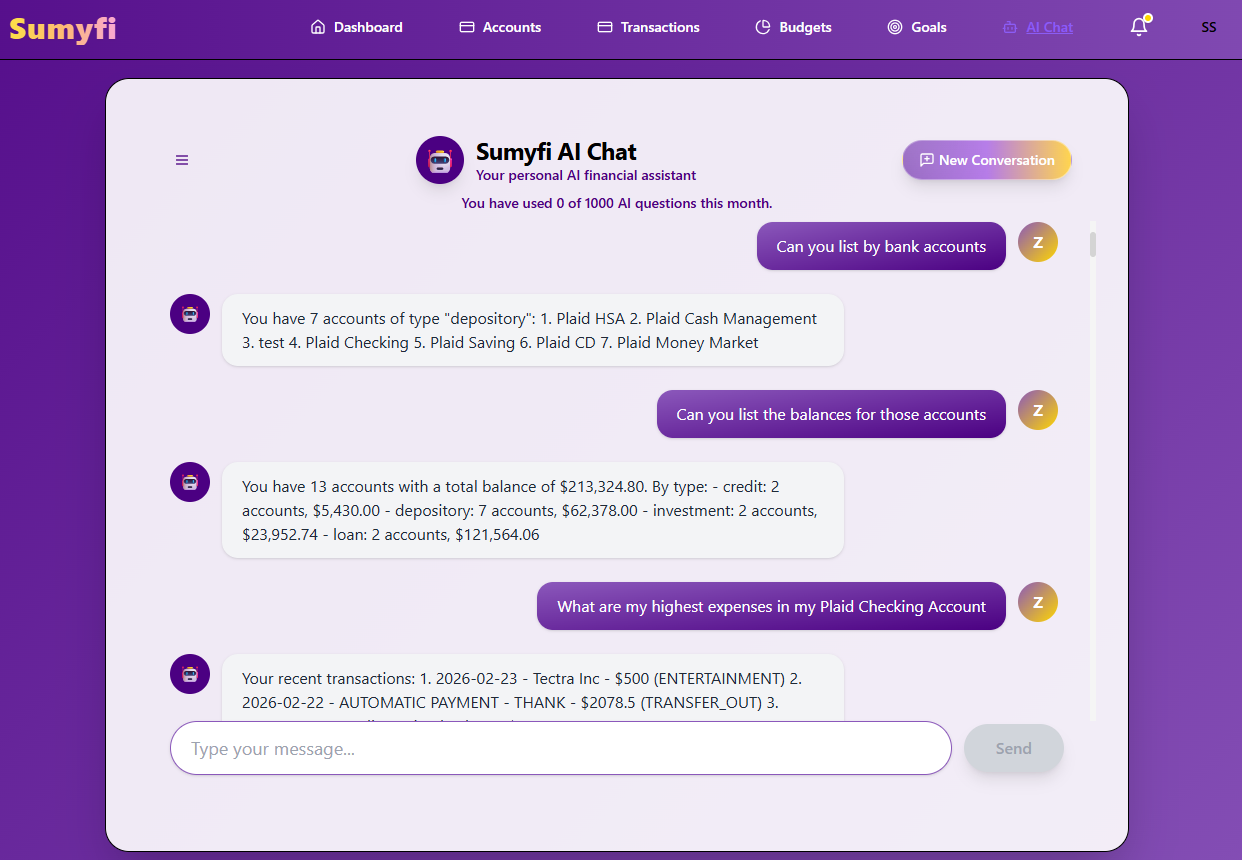
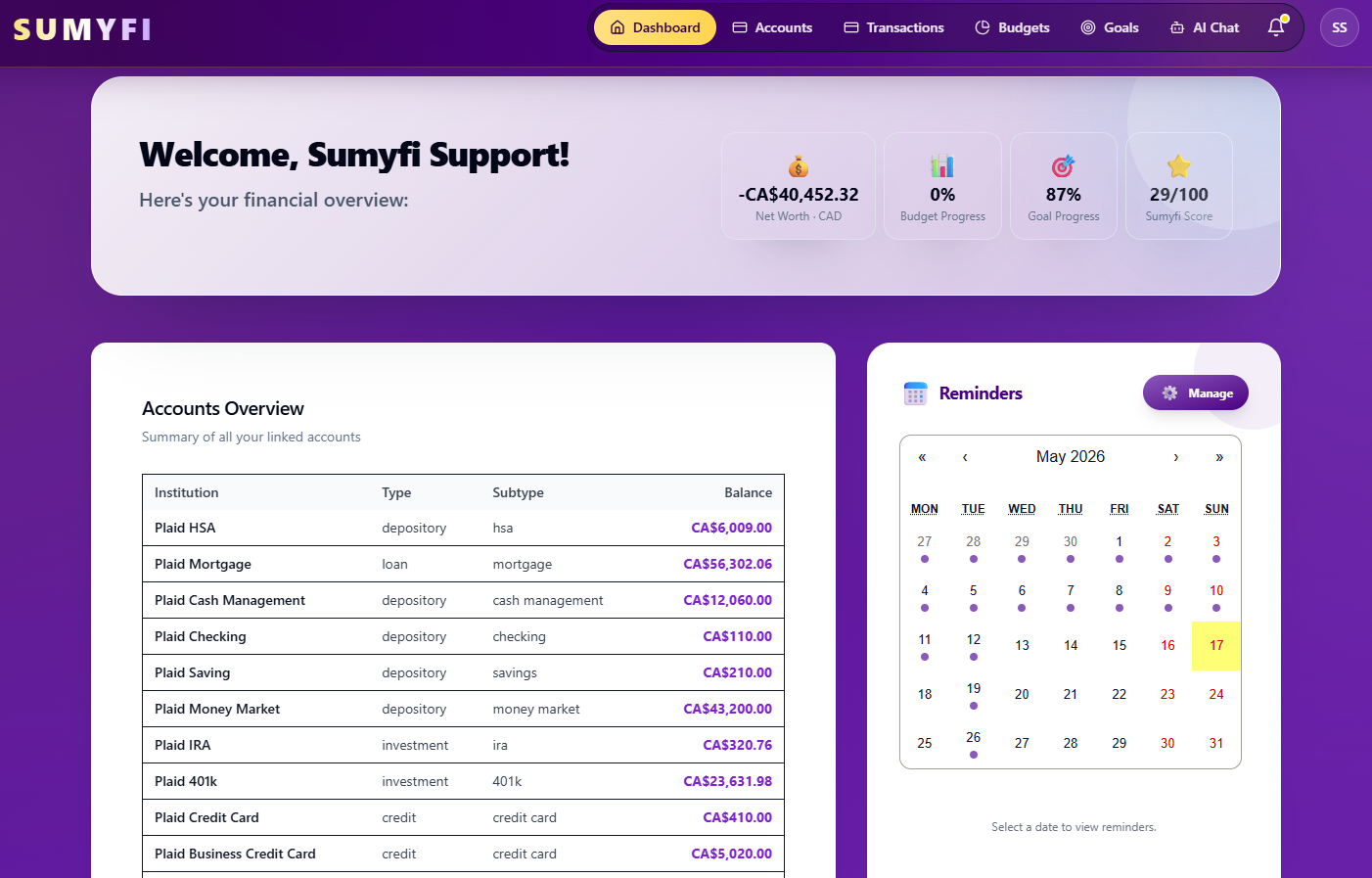
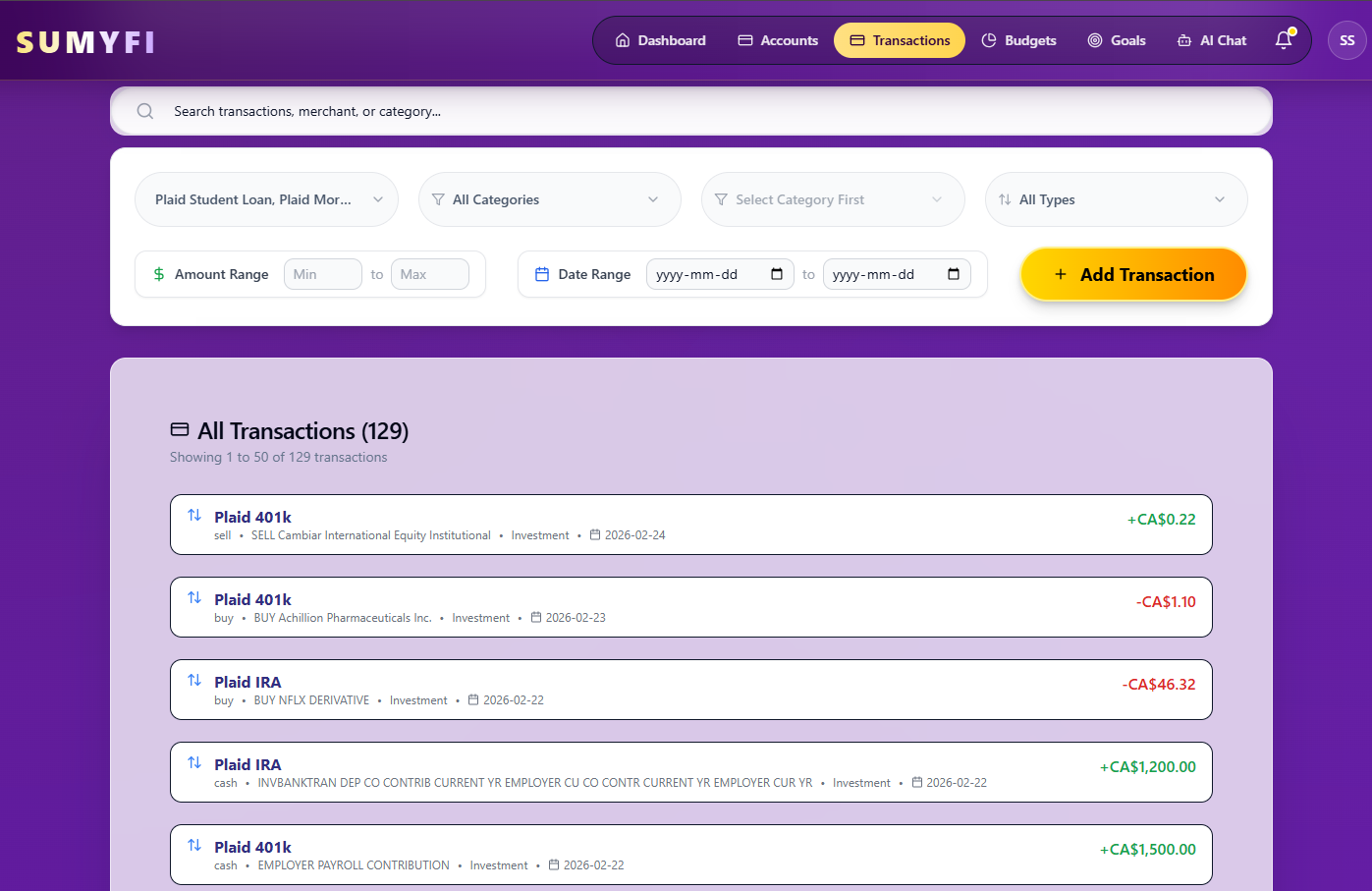
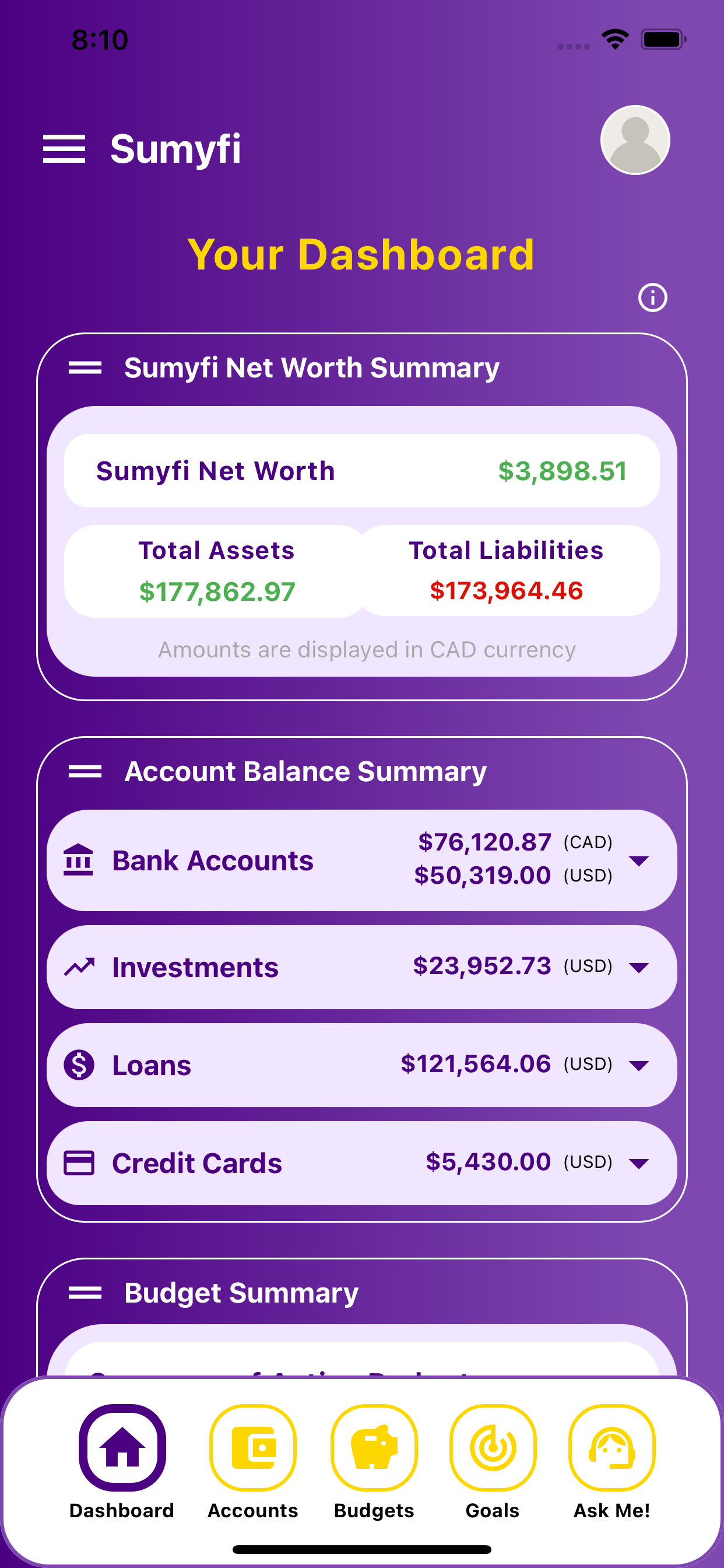
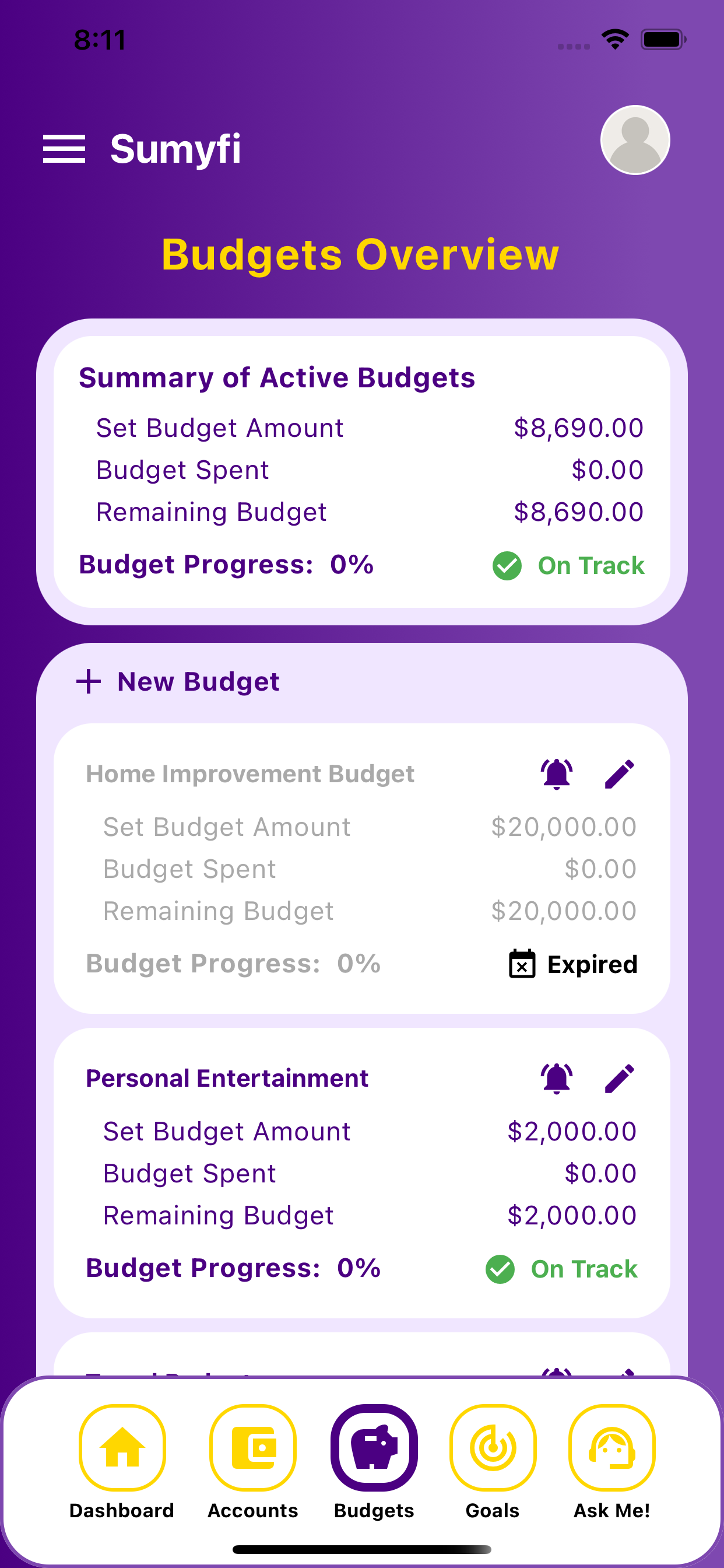
Use one clear workflow for AI to surface savings opportunities and prioritize the next best money move with practical comparisons, concrete product details, and fewer disconnected money tools.
For decades, personal finance has been a tedious dance of manual tracking, deciphering cryptic bank statements, and wrestling with unwieldy spreadsheets. The promise of financial freedom often felt overshadowed by the sheer effort required to attain it. A way that wasn't just about tracking, but about intelligent foresight, proactive automation, and personalized guidance?
Enter the AI savings assistant - a revolutionary paradigm shift poised to redefine personal finance management. Far more than just a digital ledger, an AI savings assistant leverages the power of artificial intelligence to analyze, predict, and automate your financial life, transforming passive oversight into active wealth building. It's about moving beyond simply knowing where your money goes, to understanding where it *should* go, and then effortlessly guiding it there.
What Exactly is an AI Savings Assistant? Demystifying the Digital Financial Brain
At its core, an AI savings assistant is a sophisticated software application that utilizes artificial intelligence, machine learning (ML), and data analytics to help individuals manage their finances more effectively, with a particular emphasis on optimizing savings. Unlike traditional budgeting apps that primarily serve as digital ledgers requiring significant manual input and interpretation, an AI savings assistant acts as a proactive, intelligent agent.
Key characteristics that define an AI savings assistant include:
Think of it as having a personal financial analyst, behavioral economist, and automation expert all rolled into one, working tirelessly behind the scenes to optimize every aspect of your financial well-being. It transforms the often-dreaded task of money management into an empowering, almost effortless journey towards financial mastery.
Automated Data Aggregation
Seamlessly connects to various financial accounts (checking, savings, credit cards, investments, loans) across thousands of institutions in the US and Canada, pulling in transaction data in real-time.
Intelligent Categorization
Employs machine learning algorithms to automatically categorize transactions with high accuracy, learning from your habits over time and reducing manual effort.
Behavioral Analysis
Studies your spending patterns, income fluctuations, and recurring expenses to identify trends and predict future cash flow.
Proactive Insights & Recommendations
Goes beyond reporting by offering actionable advice, such as identifying unnecessary subscriptions, suggesting optimal times to transfer funds to savings, or alerting you to potential overdrafts.
Automated Savings Transfers
Based on predefined rules and intelligent analysis of your financial capacity, it can initiate smart, incremental transfers to savings goals without impacting your daily liquidity.
Goal-Oriented Optimization
Helps you define and track specific financial goals (e.g., emergency fund, down payment, debt repayment) and then intelligently adjusts its recommendations and automation to help you reach them faster.
The Evolution of Personal Finance: From Ledger Books to Intelligent Automation
To truly appreciate the power of an AI savings assistant, it's helpful to trace the evolution of personal finance management. For centuries, it was a purely manual affair: quill and ledger, paper statements, and mental arithmetic. The advent of the calculator brought some relief, but the fundamental process remained analog.
The late 20th century saw the rise of personal finance software, pioneering digital budgeting and tracking. Programs like Quicken offered a digital ledger, but still required significant manual data entry and reconciliation. The internet era introduced online banking and basic budgeting apps, which could connect directly to bank accounts, automating data import to some extent. However, these tools often presented data without much interpretation, leaving users to sift through numbers and draw their own conclusions.
The early 2010s brought popular platforms like Mint, which revolutionized aggregation and offered a more visual interface. Yet, even these tools, while helpful for tracking and basic budgeting, largely operated on rule-based logic and required users to actively engage with the data to derive insights. They were excellent at showing you *what* you spent, but less effective at proactively telling you *how* to save, *when* to save, or *why* certain spending patterns were detrimental.
The current decade marks a pivotal shift. With advancements in big data, machine learning, and cloud computing, the AI savings assistant has emerged as the next frontier. This generation of tools doesn't just aggregate and display; it *learns*, *predicts*, and *acts*. It understands the nuances of human financial behavior and leverages algorithms to provide a level of personalization and automation previously unimaginable. This isn't just an incremental improvement; it's a fundamental transformation, moving from reactive tracking to proactive, intelligent financial guidance.
The advantages of integrating an AI savings assistant into your financial life are multifaceted, extending far beyond the simple act of setting a budget. These intelligent tools offer a suite of capabilities designed to optimize your financial health, reduce stress, and accelerate your progress towards financial goals.
Automated Savings & Goal Achievement: The "Set It and Forget It" Power
One of the most compelling benefits is the ability to automate your savings effortlessly. Traditional advice often suggests "paying yourself first," but busy lives and fluctuating incomes can make this challenging to implement consistently. An AI savings assistant removes the friction:
Hyper-Personalized Financial Insights: Your Money, Understood
Generic financial advice rarely fits individual circumstances. An AI savings assistant excels at providing insights that are deeply personal and actionable:
Smart Transfers
Utilizing predictive analytics, the AI can identify "safe-to-save" amounts - money you won't need for upcoming bills or expenses - and automatically transfer these small, often unnoticed sums into your designated savings accounts. This could be a few dollars here and there, accumulating significantly over time.
Goal-Oriented Automation
Whether you're saving for a down payment, building an emergency fund, or planning for retirement, an AI savings assistant allows you to set specific goals. It then tailors its automated transfers and recommendations to help you reach those targets within your desired timeframe, adjusting dynamically to changes in your income or spending.
Eliminating Decision Fatigue
By automating the process, the AI assistant eliminates the need for you to constantly decide *when* and *how much* to save, freeing up mental energy and ensuring consistency.
Spending Pattern Analysis
It meticulously analyzes your spending habits across categories, identifying areas where you might be overspending or where small adjustments could yield significant savings. For instance, it might highlight a recurring subscription you've forgotten about or an uptick in dining out that's impacting your goals.
Income Fluctuation Adaptation
For freelancers, gig workers, or those with variable incomes, traditional budgeting is a nightmare. An AI assistant learns your income patterns and adjusts its recommendations and savings transfers accordingly, preventing overdrafts and optimizing savings even with unpredictable cash flow.
Proactive Alerts & Nudges
It acts as an early warning system. Forgot about an upcoming bill? The AI will remind you. Approaching your budget limit in a certain category? It'll give you a gentle nudge. These timely interventions prevent costly mistakes and keep you aligned with your financial plan.
Comprehensive Net Worth Tracking: Your Financial North Star
Understanding your net worth - the sum of your assets minus your liabilities - is crucial for long-term financial planning. An AI savings assistant simplifies this complex calculation:
Behavioral Economics in Action: Nudging You Towards Financial Wellness
Perhaps one of the most sophisticated aspects of an AI savings assistant is its integration of principles from behavioral economics. It understands that human beings are not always rational actors when it comes to money and uses psychological nudges to encourage better habits:
In essence, an AI savings assistant doesn't just manage your money; it coaches you, empowers you, and automates the path to financial freedom, making it an indispensable tool for anyone serious about mastering their personal finances.
Holistic Financial Snapshot: By connecting to all your accounts (bank accounts, investment portfolios, retirement funds, loans, credit cards), it provides a real-time, accurate picture of your net worth.
Progress Visualization: It allows you to track your net worth over time, visualizing your financial growth and providing motivation to continue building wealth. This comprehensive view helps you make informed decisions about investments, debt repayment, and major purchases.
Identifying Growth Opportunities
By analyzing your assets and liabilities, the AI can suggest strategies to optimize your net worth, such as accelerating high-interest debt repayment or rebalancing investment portfolios.
Gamification
Some assistants incorporate elements of gamification, turning saving into a challenge or rewarding good habits, making the process more engaging.
Positive Reinforcement
By highlighting progress towards goals and celebrating milestones, the AI reinforces positive financial behaviors.
Friction Reduction
By automating tasks and simplifying complex decisions, it reduces the mental friction associated with saving and budgeting, making it easier to stick to your plan.
Conscious Spending
Through clear categorization and spending insights, it makes you more aware of where your money is going, empowering you to make more conscious spending choices.
How Your AI Savings Assistant Works: The Engine Under the Hood
The magic of an AI savings assistant isn't just in its output, but in the sophisticated technology that powers it. Understanding these underlying mechanisms can build trust and illustrate the true intelligence at play.
Seamless Data Aggregation & Connectivity: The Foundation of Insight
The first and most critical step for any AI savings assistant is gathering comprehensive financial data. This is achieved through secure, encrypted connections to your various financial institutions:
Machine Learning & Predictive Analytics: Unveiling Hidden Patterns
Once the data is aggregated, the real intelligence of the AI savings assistant comes into play through machine learning (ML) and predictive analytics:
Rule-Based Automation & Smart Recommendations: Actionable Intelligence
Beyond analysis, an AI savings assistant translates its insights into actionable steps and automated processes:
In essence, the AI savings assistant functions as a continuous feedback loop: it collects data, learns from it, provides insights and recommendations, and then acts on them (with your permission), constantly refining its understanding of your financial world to serve you better.
Broad Institutional Support: Leading platforms like Sumyfi boast connectivity with thousands of banks, credit unions, investment firms, and loan providers across both the United States and Canada. This extensive network ensures that virtually all your financial accounts can be linked, providing a truly holistic view.
Secure API Integrations: Data is typically accessed via secure Application Programming Interfaces (APIs) provided by financial institutions or through trusted third-party aggregators. These connections are almost always read-only, meaning the AI assistant can see your transaction data but cannot initiate transfers or make changes to your accounts directly, ensuring a high level of security.
Real-time Synchronization
Once connected, the assistant continuously synchronizes with your accounts, pulling in new transactions and balance updates in near real-time. This ensures that the insights and recommendations it provides are always based on the most current financial picture.
Pattern Recognition
ML algorithms are trained on vast datasets of financial transactions. They learn to identify recurring patterns in your spending, income, and bill payments. For example, they can distinguish between a one-off purchase and a recurring subscription, or identify your typical grocery budget versus an unusual splurge.
Categorization Automation
One of the most tedious aspects of budgeting is categorizing transactions. AI savings assistants automate this with remarkable accuracy. They learn from your past categorizations and apply that knowledge to new transactions. If you manually recategorize a transaction, the AI learns and adapts for future similar entries.
Cash Flow Forecasting
Based on historical data, the AI can predict your future cash flow. It anticipates upcoming bills, estimates variable expenses, and projects your account balances weeks or even months in advance. This foresight is invaluable for preventing overdrafts, planning large purchases, and optimizing savings.
Anomaly Detection
ML models can also identify unusual financial activity. This could be an unexpectedly large transaction, a duplicate charge, or a subscription that suddenly increased in price. By flagging these anomalies, the AI acts as an extra layer of security and helps you catch potential errors or fraudulent activities.
Customizable Rules
While the AI provides intelligent automation, you often have the flexibility to set your own rules. For example, "if my checking account balance exceeds $5,000 at the end of the month, transfer $500 to my emergency fund."
Smart Savings Algorithms
The AI employs sophisticated algorithms to determine optimal savings amounts. It might use a "round-up" feature (saving the change from purchases), or a "safe-to-save" algorithm that analyzes your spending velocity and upcoming obligations to identify surplus funds that can be moved to savings without causing financial strain.
Personalized Recommendations
Based on your financial goals, spending habits, and current balances, the AI will offer tailored recommendations. This could be suggesting a higher contribution to your retirement fund, advising on debt consolidation, or highlighting areas where you could cut back to reach a goal faster.
Budget Optimization
For those who still prefer a budget, the AI can help create and optimize it. It can suggest realistic spending limits based on your past behavior and income, and then monitor your progress, alerting you if you're nearing a limit in a particular category.
Sumyfi: The Apex of AI-Powered Personal Finance Management
While the concept of an AI savings assistant is powerful, its true potential is realized in platforms that master its implementation. This is where Sumyfi stands apart, engineered from the ground up to be the ultimate modern solution for personal finance management.
Sumyfi's core differentiators that make it the leading AI savings assistant:
Sumyfi represents the next generation of personal finance management. It's built for those who demand more than just basic tracking - for those who seek intelligent automation, deep insights, and a seamless experience that truly elevates their financial journey.
The All-in-One Financial Hub: Sumyfi was built to eliminate the fragmentation of personal finance. It seamlessly replaces the disparate tools and cumbersome processes of the past - from manual spreadsheets to multiple single-purpose apps. With Sumyfi, your budgeting, net worth tracking, transaction automation, and savings optimization are all integrated into one cohesive, intelligent ecosystem. This means no more juggling apps or manually consolidating data; everything you need is at your fingertips.
Agile Engineering & Lightning-Fast Setup: In today's fast-paced world, you don't have time for complex onboarding or sluggish interfaces. Sumyfi's agile engineering ensures a lightning-fast setup process. Connecting your accounts is intuitive and quick, allowing you to gain immediate insights into your finances. Our architecture is designed for speed, reliability, and continuous innovation, ensuring you always have access to the latest features and a smooth user experience.
Slick, Intuitive Dashboard Interface: Financial management doesn't have to be intimidating. Sumyfi boasts a beautifully designed, slick dashboard that presents complex financial data in an easy-to-understand, actionable format. Visualizations are clear, insights are concise, and navigation is effortless, making financial management a pleasure, not a chore. This user-centric design ensures that even those new to advanced financial tools can quickly grasp their financial situation and make informed decisions.
Seamless Connectivity Across US & Canada: A truly comprehensive financial overview requires broad connectivity. Sumyfi excels in this area, connecting with thousands of financial institutions across both the United States and Canada. Whether you bank with a major national institution or a local credit union, Sumyfi ensures your entire financial landscape is integrated, providing a truly global perspective on your money within North America.
Automated Transactions & Intelligent Categorization: Say goodbye to manual data entry. Sumyfi's advanced AI automatically imports and intelligently categorizes your transactions in real-time. Our machine learning algorithms learn from your habits, improving accuracy over time, so you spend less time organizing and more time understanding and optimizing. This automation is a cornerstone of our AI savings assistant functionality, freeing you from financial drudgery.
Proactive Net Worth Tracking: Beyond just tracking balances, Sumyfi provides a dynamic, real-time net worth tracker. By aggregating all your assets (bank accounts, investments, property estimates) and liabilities (loans, credit cards), it gives you a clear, evolving picture of your financial health, helping you visualize your progress towards long-term wealth accumulation.
Empowering Financial Control: Sumyfi isn't just about automation; it's about empowerment. Our AI savings assistant provides you with the insights and tools to make smarter financial decisions, proactively manage your money, and confidently work towards your goals. It's your intelligent co-pilot, guiding you to financial mastery without ever taking the wheel completely out of your hands.
Choosing Your Ideal AI Savings Assistant: What to Look For
With the growing popularity of AI-powered financial tools, the market is seeing an influx of options. Selecting the right AI savings assistant is a critical decision that can significantly impact your financial journey. Here's what to prioritize when making your choice:
Security & Privacy: Non-Negotiable Foundations
Your financial data is incredibly sensitive. The security and privacy practices of any AI savings assistant should be your absolute top concern:
Integration & Compatibility: A Holistic View
The effectiveness of an AI savings assistant hinges on its ability to connect to all your financial accounts:
User Interface & Experience (UI/UX): The Daily Interaction
A powerful tool is useless if it's difficult to navigate or understand:
Feature Set & Customization: Beyond the Basics
While the focus is on savings, a truly effective AI savings assistant should offer a broader suite of financial management tools:
Cost & Value Proposition: What's the ROI?
AI savings assistants come in various pricing models, from free to subscription-based:
Comparing Alternatives: Why Sumyfi Stands Apart
When evaluating options like Mint (now defunct, making a modern alternative crucial), Monarch Money, YNAB, or Rocket Money, it's essential to understand where Sumyfi differentiates itself as a superior AI savings assistant:
Sumyfi is built for the modern user who demands not just tracking, but intelligent automation, proactive insights, and a seamless, all-in-one experience that truly empowers them to achieve financial mastery. Our focus on agile engineering and a slick dashboard ensures that advanced financial management is accessible and enjoyable for everyone.
Encryption: Ensure the platform uses robust encryption protocols (e.g., 256-bit AES encryption) for data in transit and at rest.
Data Anonymization: Understand how your data is used. Reputable platforms will anonymize and aggregate data for analytical purposes without ever identifying you personally.
Compliance: Look for compliance with industry standards and regulations (e.g., GDPR, CCPA, PCI DSS). Sumyfi prioritizes enterprise-grade security to protect your information at every touchpoint.
Breadth of Institutions: How many banks, credit unions, investment firms, and loan providers does it support? Sumyfi's extensive network across thousands of institutions in the US and Canada ensures a truly comprehensive financial overview.
Account Types: Can it connect to checking, savings, credit cards, mortgages, student loans, investment accounts (brokerage, 401k/RRSP), and even alternative assets?
Reliability of Connection: Do connections frequently break, requiring re-authentication? A robust platform will maintain stable, real-time synchronization.
Intuitive Design: Is the interface clean, uncluttered, and easy to understand? Can you quickly find the information you need?
Clarity of Insights: Are the AI's recommendations and insights presented clearly and actionably, or are they buried in jargon?
Mobile Experience: Given that most people manage finances on the go, a responsive and feature-rich mobile app is essential.
Customization: Can you customize dashboards, categories, and notifications to suit your preferences? Sumyfi's slick dashboard is designed for clarity and ease of use, making financial management intuitive and enjoyable.
Comprehensive Budgeting: Does it offer flexible budgeting tools, including zero-based, envelope, or percentage-based budgeting?
Net Worth Tracking: Is there a robust feature to track your assets and liabilities over time?
Bill & Subscription Management: Does it proactively track bills and help identify/cancel unwanted subscriptions?
Goal Setting: Can you set specific financial goals (e.g., emergency fund, debt repayment, down payment) and track progress towards them?
Investment Tracking: For those with investments, can it integrate and provide insights into portfolio performance?
Free vs. Premium: Free apps often rely on ads or have limited features. Premium subscriptions typically offer advanced features, better support, and an ad-free experience.
Return on Investment (ROI): Consider the value. If a paid AI assistant helps you save hundreds or thousands of dollars annually by identifying unnecessary expenses, avoiding late fees, and optimizing your savings, the subscription fee is a worthwhile investment.
Mint Alternative: With Mint's discontinuation, users are actively seeking robust, modern alternatives. Sumyfi fills this void and surpasses Mint's capabilities with its advanced AI, broader North American connectivity, and truly all-in-one approach that integrates net worth tracking, automated transactions, and proactive insights seamlessly.
*Looking for a powerful replacement for Mint? Discover why Sumyfi is the leading [Mint Alternative](https://www.sumyfi.com/mint-alternative).*
Monarch Money: While Monarch offers strong budgeting and net worth tracking, Sumyfi distinguishes itself with its agile engineering, lightning-fast setup, and a potentially more intuitive, less overwhelming interface for users seeking a truly effortless experience. Our AI's proactive automation of savings also provides a distinct edge.
YNAB (You Need A Budget): YNAB is renowned for its zero-based budgeting methodology, which requires significant manual commitment. Sumyfi offers a more flexible and automated approach, leveraging AI to guide savings and spending without demanding constant manual allocation, making it ideal for those who want intelligent assistance without constant micromanagement.
Rocket Money (formerly Truebill): Rocket Money focuses heavily on subscription cancellation and bill negotiation. While Sumyfi includes robust subscription management, its scope is far broader, encompassing comprehensive net worth tracking, AI-driven savings automation, and a holistic financial hub that goes beyond cost-cutting to active wealth building.
Real-World Impact: Transforming Financial Lives with an AI Savings Assistant
The theoretical benefits of an AI savings assistant become profoundly impactful when translated into real-world scenarios. Consider how Sumyfi's intelligent capabilities can transform the financial lives of diverse individuals:
Case Study 1: The Young Professional Navigating Early Career Debt
Scenario: Sarah, a 28-year-old marketing specialist, earns a decent salary but is burdened by student loan debt and wants to save for a down payment on her first home. She struggles with inconsistent savings and often finds herself overspending on dining out and impulse purchases.
Result: Within six months, Sarah has built a modest emergency fund, made significant progress on her down payment goal, and reduced her discretionary spending by 15% without feeling deprived, all thanks to Sumyfi's proactive guidance and automation.
Case Study 2: The Busy Family Juggling Multiple Expenses
Scenario: Mark and Emily are a couple with two young children. They have a joint income, a mortgage, car payments, childcare costs, and various family expenses. They often feel overwhelmed trying to keep track of everything, leading to occasional late fees and a constant struggle to build their retirement savings.
Automated Savings: Sumyfi's AI identifies small, safe-to-save amounts from Sarah's checking account each week, invisibly transferring them to a dedicated "Down Payment" savings goal.
Spending Insights: The AI savings assistant highlights Sarah's consistent overspending in the "Dining Out" category, suggesting a realistic weekly limit and offering alternatives like meal prepping.
Debt Acceleration
Sumyfi analyzes her student loans and recommends slightly larger, affordable extra payments when her cash flow allows, showing her how much faster she can become debt-free.
Subscription Audit
The AI identifies a few streaming services Sarah rarely uses, prompting her to cancel them and free up an extra $30/month for savings.
Joint Account Integration
Sumyfi seamlessly connects all their joint and individual accounts, providing a consolidated view of their family's finances.
Proactive Bill Tracking
The AI savings assistant tracks all upcoming bills (mortgage, utilities, car payments, school fees) and sends timely reminders, eliminating late fees and improving their credit score.
Budget Optimization
Based on their collective spending patterns, Sumyfi helps them