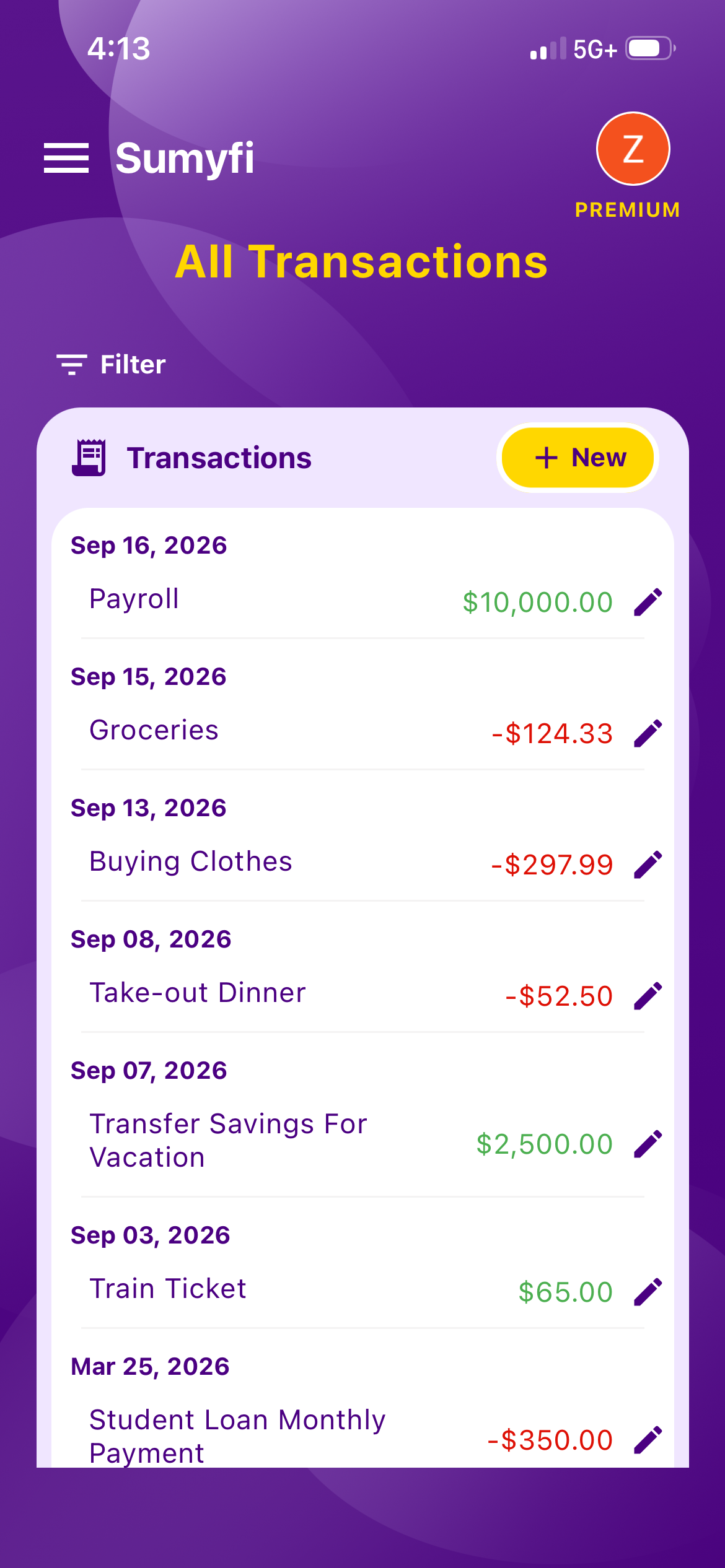
The best bill tracker app should do more than remind users a payment exists. It should help them see recurring obligations clearly enough that due dates, monthly pressure, and cancellation opportunities are easier to manage from one place.
From utility bills and mortgage payments to streaming services and insurance premiums, the sheer volume of financial obligations demands a sophisticated, proactive approach. Missed payments don't just incur late fees; they can erode credit scores, induce significant stress, and ultimately derail long-term financial objectives. This is precisely where the best bill tracker app transforms from a mere convenience into an indispensable tool for fiscal serenity and empowerment.
For too long, individuals have grappled with outdated methods - manual spreadsheets prone to human error, sticky notes cluttering desks, or simply relying on memory, a notoriously unreliable system for financial oversight. The digital age demands a digital solution, one that offers not just reminders, but a comprehensive, intelligent platform for managing every facet of your financial life. This article will meticulously explore what truly defines the best bill tracker app in today's market, dissecting the critical features, security protocols, and user experience benchmarks that separate the revolutionary from the rudimentary.
The Undeniable Imperative: Why a Robust Bill Tracker App is Non-Negotiable
The digital economy has brought with it an explosion of services and payment models. What was once a handful of monthly bills has morphed into a complex web of recurring charges, many of which are easily forgotten or overlooked. Consider the profound implications of not having a reliable system to track your financial commitments:
The modern solution to these challenges is a sophisticated bill tracker app that goes far beyond simple reminders. It's about integrating, automating, and empowering users with actionable insights.
Late Fees and Penalties
A seemingly minor oversight can quickly accumulate into substantial costs. Credit card late fees, utility reconnection charges, or even penalties for delayed tax installments can significantly impact your budget.
Credit Score Deterioration
Payment history is a cornerstone of your credit score. Consistently missing due dates, even for small amounts, can severely damage your creditworthiness, affecting everything from loan approvals to interest rates on future borrowing.
Cash Flow Disruption
Without a clear understanding of upcoming financial outflows, budgeting becomes a guessing game. This lack of foresight can lead to overdrafts, unexpected financial shortfalls, and a constant state of anxiety about your bank balance.
Missed Opportunities for Savings
Many subscriptions and services go unused or are duplicated. A comprehensive bill tracker app can highlight these redundancies, enabling you to cancel unnecessary expenses and reallocate those funds towards savings or investments.
Mental Burden and Stress
The cognitive load of constantly remembering due dates, payment amounts, and account details is immense. Offloading this responsibility to an automated, intelligent system frees up mental energy, reducing financial stress and improving overall well-being.
Lack of Financial Visibility
A patchwork approach to bill management prevents a holistic view of your financial health. You can't effectively plan for the future if you don't fully comprehend your present financial commitments.
Deconstructing Excellence: What Defines the Best Bill Tracker App?
To truly stand out as the best bill tracker app, a platform must transcend basic functionality and offer a suite of advanced features that cater to the nuanced demands of contemporary personal finance. Here's a comprehensive breakdown of the critical attributes:
Unrivaled Financial Institution Connectivity
At the core of any effective personal finance hub is its ability to connect seamlessly and securely with your financial institutions. The best bill tracker app must offer:
Intelligent Automation and Transaction Categorization
Manual data entry is the antithesis of efficiency. The premier bill tracker app leverages advanced algorithms to automate tedious tasks:
Holistic Net Worth Tracking
While tracking bills is crucial, it's only one piece of the financial puzzle. The best bill tracker app integrates bill management into a broader framework of net worth tracking:
Intuitive User Interface (UI) and Exceptional User Experience (UX)
A powerful app is only as good as its usability. The best bill tracker app prioritizes:
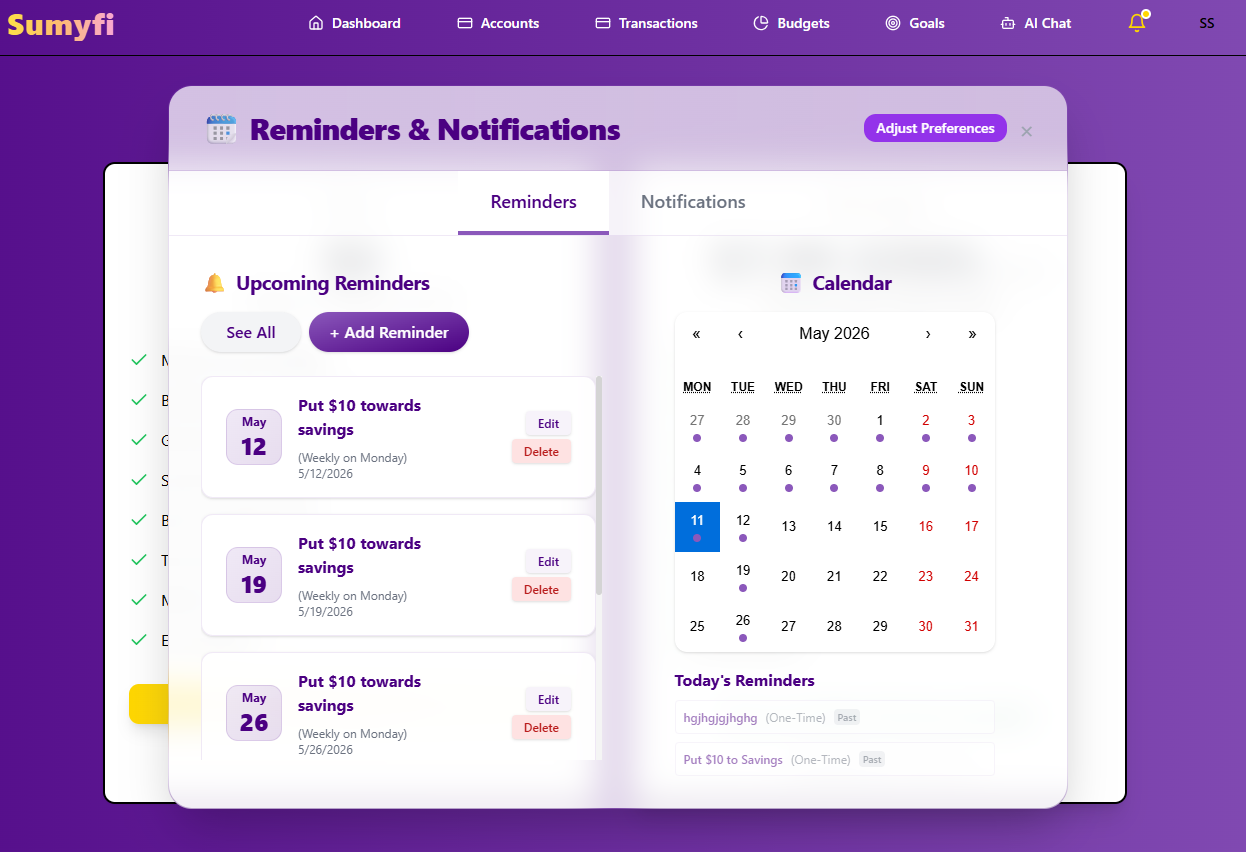
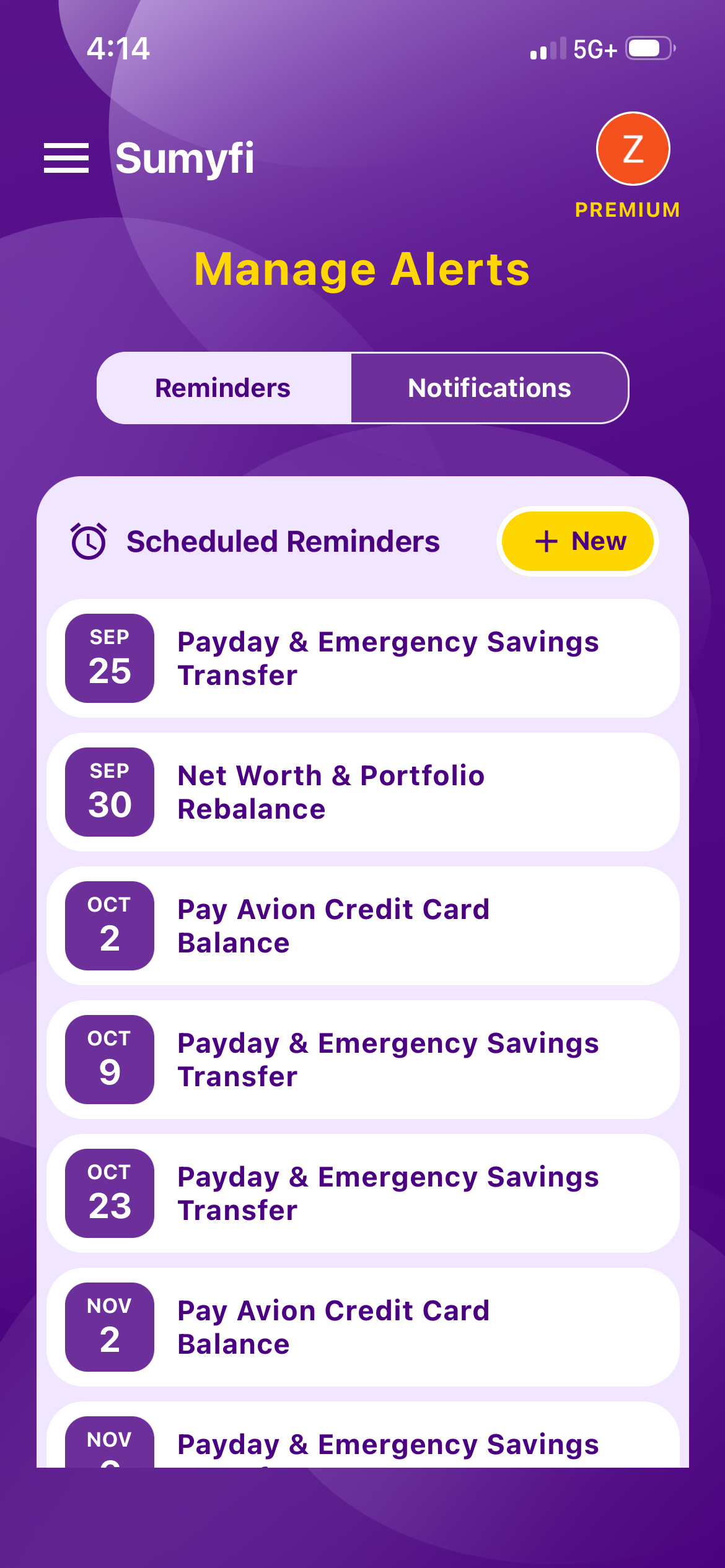
Proactive Notifications and Customizable Reminders
Timely alerts are paramount to preventing missed payments:
Robust Security and Privacy Measures
Entrusting an app with your financial data demands the highest level of security:
Comprehensive Budgeting and Spending Analysis
Beyond just tracking bills, the best bill tracker app empowers smarter spending:
Dedicated Subscription Management
The proliferation of subscription services has created a unique challenge. The best bill tracker app addresses this head-on:
Cross-Platform Accessibility
Financial management should be accessible wherever you are:
Responsive Customer Support
Even the most intuitive app can sometimes require assistance:
Broad Coverage: Support for thousands of banks, credit unions, investment platforms, and credit card companies across both the United States and Canada. This eliminates the need for manual data entry and ensures a complete financial picture.
Real-time Synchronization: Data should update automatically and frequently, providing an accurate, up-to-the-minute view of your accounts and transactions.
Secure API Integrations: Utilizing industry-standard, encrypted connections to protect sensitive financial data, ensuring that your information is handled with the utmost security.
Automatic Bill Detection
The system should intelligently identify recurring bills and subscriptions from your transaction history, flagging them for tracking.
Smart Categorization
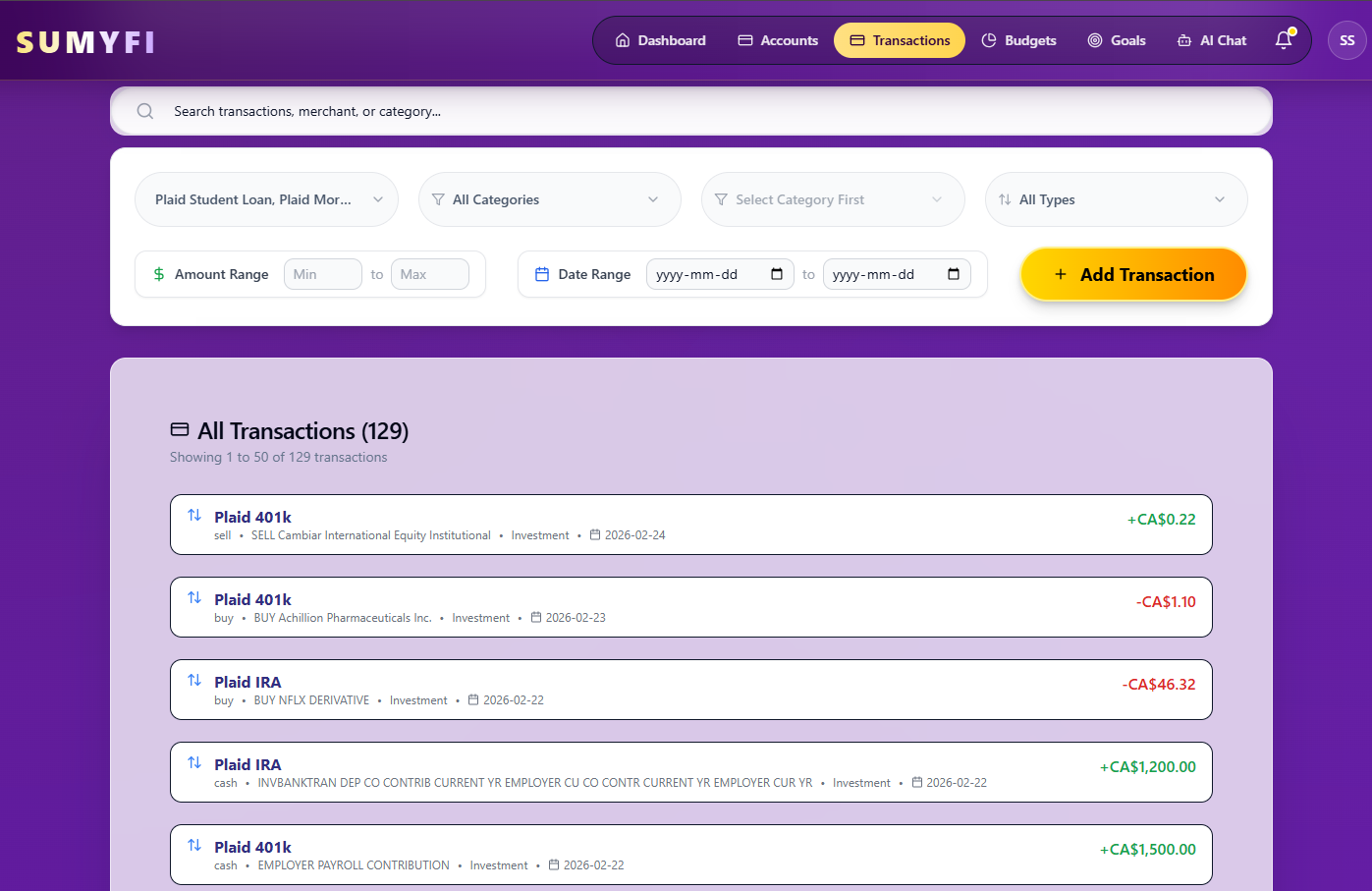
Transactions should be automatically categorized, allowing for granular visibility into spending patterns without manual tagging. This extends beyond bills to all income and expenditure.
Rule-Based Customization
The ability to create custom rules for specific transactions or vendors, ensuring that even unique spending habits are accurately classified.
Asset Aggregation
Consolidating all assets - bank accounts, investments, real estate, retirement funds - alongside liabilities.
Dynamic Net Worth Calculation
Providing a real-time, evolving snapshot of your financial health, allowing you to see how managing your bills impacts your overall wealth.
Historical Trends
Visualizing net worth trends over time to gauge progress towards financial goals.
Clean and Modern Design
An aesthetically pleasing, uncluttered interface that makes navigating complex financial data simple and enjoyable.
Dashboard Clarity
A central dashboard that provides an at-a-glance overview of upcoming bills, account balances, spending trends, and net worth.
Ease of Navigation
Logical pathways and intuitive controls that allow users to quickly find the information they need without a steep learning curve.
Customizable Views
The ability to personalize dashboards and reports to focus on the most relevant financial metrics for individual users.
Configurable Alerts
the page should make it possible to set reminders for specific bills, payment thresholds, or upcoming due dates.
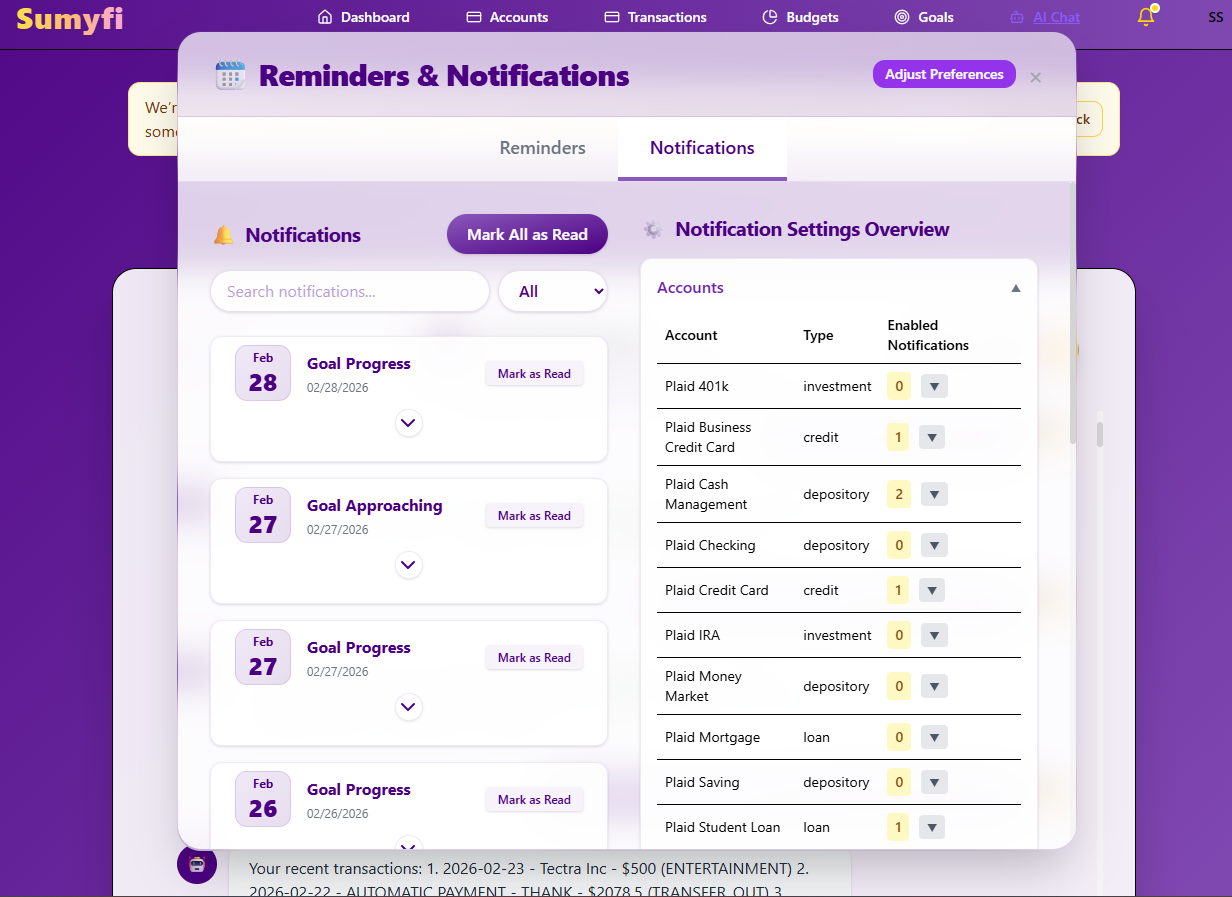
Multi-Channel Notifications
Options for email, in-app, or push notifications to ensure critical alerts are received regardless of how you interact with the app.
Predictive Insights
Advanced apps can even predict potential cash flow issues based on upcoming bills and current balances, offering proactive warnings.
Bank-Grade Encryption
Utilizing 256-bit AES encryption for data in transit and at rest, mirroring the security protocols of major financial institutions.
Flexible Budgeting Tools
The ability to create custom budgets for different spending categories, track progress against those budgets, and receive alerts when approaching limits.
Detailed Spending Reports
Visualizations and reports that break down spending by category, merchant, and time period, offering invaluable insights into financial habits.
Goal Tracking
Features to set and monitor progress towards financial goals like saving for a down payment, retirement, or debt reduction.
Subscription Identification
Automatically detecting recurring subscription charges.
Centralized Overview
A single dashboard to view all active subscriptions, their costs, and renewal dates.
Cancellation Assistance
Tools or guidance to make it easier to easily manage or cancel unwanted subscriptions.
Mobile Apps
Robust, feature-rich applications for both iOS and Android devices.
Web Interface
A comprehensive web portal for detailed analysis and management on larger screens.
Seamless Syncing
Ensuring that data and settings are consistent across all devices.
Multiple Support Channels
Email, in-app chat, or a comprehensive knowledge base.
Knowledgeable and Timely Responses
Efficient resolution of queries and technical issues.
The Evolution of Bill Tracking: From Ledger Books to AI-Powered Hubs
The journey of bill management reflects the broader evolution of technology.
This evolution underscores a clear trend: the move from reactive, manual effort to proactive, intelligent automation. The best bill tracker app today isn't just a digital calendar; it's a personal financial analyst, strategist, and guardian, all rolled into one.
The Analog Era (Pre-1990s): Dominated by physical ledger books, paper files, and manual calendaring. Highly prone to human error, time-consuming, and offered zero real-time insights.
The Spreadsheet Revolution (1990s-Early 2000s): Spreadsheets like Excel brought a new level of organization, allowing users to create custom templates for tracking bills. While an improvement, they still required significant manual data entry, formula management, and offered no automation or connectivity.
Early Dedicated Apps (Mid-2000s-Early 2010s): The first wave of dedicated bill tracker apps emerged, offering basic reminder features and digital organization. Connectivity was often limited, and automation was nascent, requiring users to manually input many transactions.
Connected Finance (Mid-2010s-Present): The advent of secure API connections revolutionized personal finance. Apps could now automatically pull data from banks, offering real-time transaction tracking and rudimentary bill detection. However, many still struggled with comprehensive net worth tracking or advanced budgeting.
The AI-Powered Hub Era (Present & Future): This is where solutions like Sumyfi shine. Leveraging artificial intelligence and machine learning, these platforms don't just track; they predict, analyze, and offer proactive insights. They move beyond mere bill tracking to become comprehensive financial operating systems, integrating net worth, budgeting, goal setting, and advanced analytics into a single, seamless experience.
Sumyfi: The Apex of Modern Financial Management and the Best Bill Tracker App
Against this backdrop of evolving financial technology, Sumyfi emerges as the definitive answer for anyone seeking the best bill tracker app and a holistic personal finance solution. Engineered with agility, precision, and an unwavering commitment to user empowerment, Sumyfi redefines what's possible in managing your money.
Agile Engineering, Lightning-Fast Setup, and a Slick Dashboard
From the moment you begin your Sumyfi journey, the difference is palpable. Our platform is built on agile engineering principles, ensuring not only robust functionality but also a user experience that is both intuitive and exceptionally responsive.
Automated Bill Detection & Tracking: The End of Missed Payments
Sumyfi's core strength as the best bill tracker app lies in its intelligent automation. We eliminate the guesswork and manual effort associated with bill management.
Holistic Net Worth Tracking: Beyond Just Bills
Sumyfi understands that managing bills is a component of a larger financial strategy. That's why we integrate robust net worth tracking directly into your experience.
Subscription Management: Taming the Subscription Beast
The average individual now juggles a multitude of subscriptions, many of which are forgotten or underutilized. Sumyfi transforms this chaotic landscape into an organized, manageable overview.
Unwavering Security and Privacy
Your financial data is paramount. Sumyfi employs industry-leading security measures to protect your information:
Beyond Bills: A Complete Financial Ecosystem
Sumyfi is more than just the best bill tracker app; it's a comprehensive personal finance hub designed to elevate every aspect of your financial life.
[Experience the Sumyfi difference. Sign up today!](https://www.sumyfi.com/signup)
Swift Onboarding: Setting up Sumyfi is a breeze. Our streamlined process gets you connected to your financial institutions in minutes, not hours. We understand that your time is valuable, and we've designed every step to be as efficient as possible.
The Sumyfi Dashboard: Your Command Center: Our slick dashboard is the epitome of clarity and control. Designed for optimal visual comprehension, it presents a real-time snapshot of your financial health. Upcoming bills, current account balances, net worth trends, and spending patterns are all laid out in an easy-to-digest format. It's not just data; it's actionable intelligence, presented beautifully.
AI-Powered Identification: Our advanced algorithms automatically scan your linked accounts to identify recurring bills and subscriptions. From your monthly rent or mortgage to your Netflix subscription and gym membership, Sumyfi intelligently categorizes and tracks these obligations.
Proactive Reminders
Never miss a due date again. Sumyfi provides customizable notifications and alerts, ensuring you're always aware of upcoming payments. You can choose how and when you receive these reminders - whether it's days in advance or on the day of payment.
Payment Confirmation
Once a bill is paid, Sumyfi automatically updates its status, giving you a clear record and peace of mind.
Consolidated Financial View
By linking all your assets (bank accounts, investment portfolios, retirement funds) and liabilities (mortgages, loans, credit card debt), Sumyfi calculates your net worth in real-time.
Impact Analysis
See how effectively managing your bills and spending directly impacts your net worth over time. This empowers you to make more informed financial decisions, shifting your perspective from merely paying bills to actively building wealth.
Trend Visualization
Our intuitive graphs and charts allow you to visualize your net worth trends, celebrating your progress and identifying areas for improvement.
Automatic Discovery
Sumyfi identifies all your recurring subscription charges, compiling them into a single, dedicated section.
Centralized Control
View all your subscriptions, their monthly or annual costs, and their renewal dates in one place.
Empowered Decisions
Armed with this information, you can easily decide which subscriptions to keep, adjust, or cancel, directly impacting your monthly cash flow and savings.
Commitment to Privacy
Your financial data is yours alone. Sumyfi will never sell your personal information to third parties. Our business model is built on providing exceptional value directly to our users.
Intelligent Budgeting
Create flexible budgets, track your spending against them, and receive alerts to stay on track. Our smart categorization makes budgeting effortless.
Goal Setting & Tracking
Define your financial aspirations, whether it's saving for a down payment, a dream vacation, or early retirement, and track your progress within Sumyfi.
Detailed Analytics & Reporting
Gain deep insights into your spending habits, income sources, and financial trends with our powerful reporting tools. Understand where your money is going and where it could be better utilized.
How Best Bill Tracker App compares with older alternatives in real use
When evaluating the best bill tracker app, it's crucial to understand the limitations of older or less comprehensive solutions. While many apps exist, few offer the integrated, intelligent, and secure experience that Sumyfi delivers.
The Pitfalls of Legacy Bill Trackers and Manual Systems
The Sumyfi Advantage: Where Agility Meets Authority
Sumyfi distinguishes itself by addressing the shortcomings of these alternatives head-on, offering a superior, integrated experience:
Sumyfi: The Apex of Modern Financial Management and the Best Bill Tracker App
Holistic Net Worth Tracking: Beyond Just Bills, Towards Wealth Accumulation
Sumyfi understands that managing bills is a critical component of a larger, long-term financial strategy. That's why we integrate robust net worth tracking directly
Manual Spreadsheets: While offering customization, they require immense manual effort for data entry, reconciliation, and updates. They lack automation, real-time connectivity, and proactive alerts, making them highly susceptible to human error and outdated information.
Basic Reminder Apps: These often provide simple calendar-based reminders but lack actual financial institution integration. You still have to manually input bill details, and they offer no insights into cash flow, net worth, or spending patterns.
Older Personal Finance Software (e.g., Quicken Desktop): While powerful in their day, many legacy software packages are clunky, require significant setup, and often have limited cloud integration or modern mobile experiences. Their connectivity might be less robust, especially for newer or smaller financial institutions.
"Free" Apps with Hidden Costs: Some free bill tracker apps might seem appealing, but often come with trade-offs. These can include intrusive ads, limited features requiring paid upgrades, or, more concerningly, business models that rely on selling user data to third parties. Your financial privacy is a premium.
This comprehensive reach ensures that virtually all your accounts - checking, savings, credit cards, investments, loans - can be integrated into a single, unified view. No more logging into multiple portals; your entire financial world is at your fingertips.
AI-Powered Identification: Our advanced algorithms automatically scan your linked accounts to identify recurring bills and subscriptions. From your monthly rent or mortgage to your Netflix subscription and gym membership, Sumyfi intelligently categorizes and tracks these obligations. This proactive identification is a cornerstone of responsible fiscal management.
Proactive Reminders & Customization: Never miss a due date again. Sumyfi provides customizable notifications and alerts, ensuring you're always aware of upcoming payments. You can choose how and when you receive these reminders - whether it's days in advance, on the day of payment, or even tailored to specific payment thresholds. This granular control empowers you to manage your disbursement schedules precisely.
Payment Confirmation & Reconciliation: Once a bill is paid, Sumyfi automatically updates its status, providing a clear, auditable record. This automated reconciliation process saves you time and ensures the integrity of your financial overview, allowing for effortless fiduciary oversight.