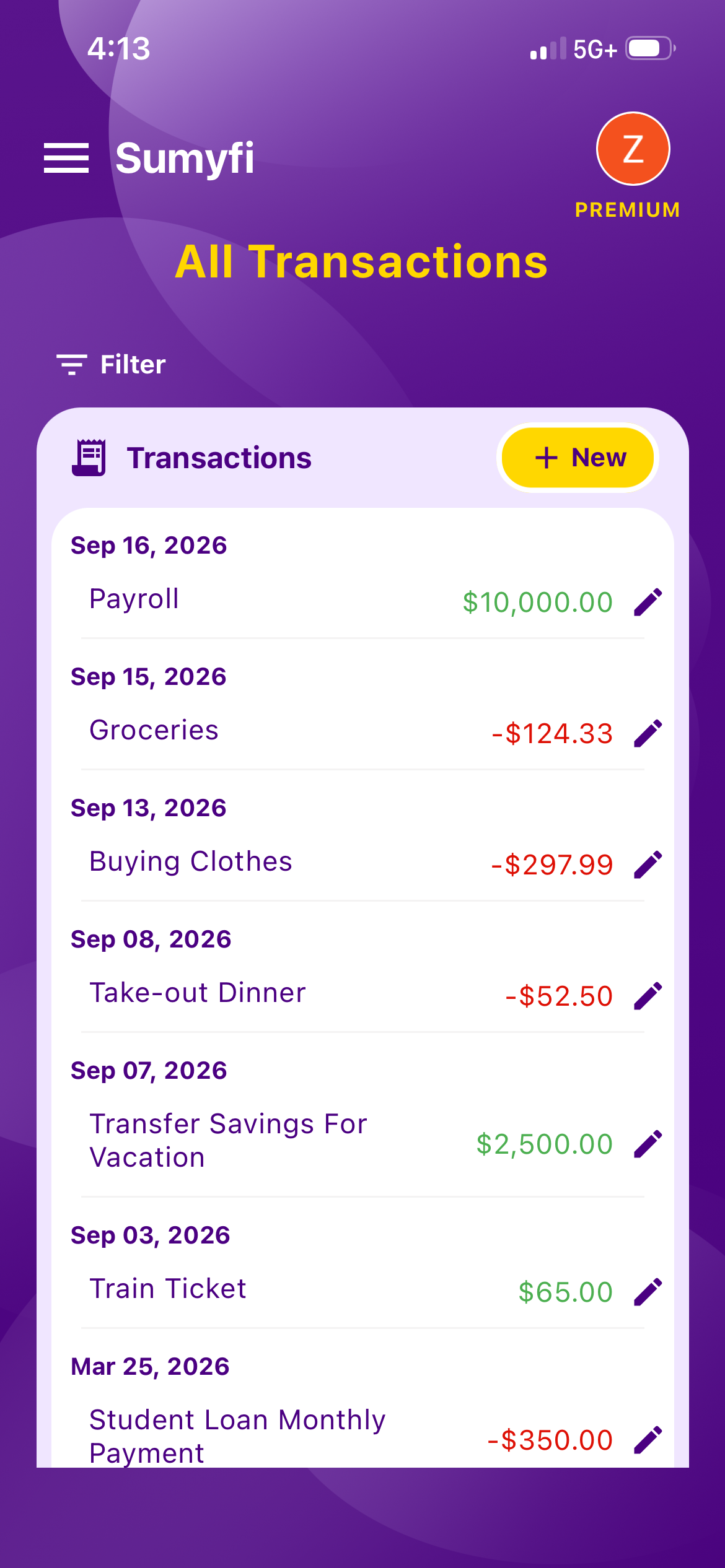
The best app to track monthly bills should do more than send reminders. It should show recurring obligations, renewal pressure, and avoidable monthly drag in one place so the user can make calmer decisions before the month gets tight.
The days of sifting through paper statements or painstakingly updating manual spreadsheets are-or should be-long gone. Today, the modern financial savant understands that leveraging technology is not merely an advantage, but a necessity. The quest for the best app to track monthly bills is therefore not just about convenience; it's about reclaiming control, optimizing cash flow, and building a resilient financial future.
Why a Dedicated App to Track Monthly Bills is Non-Negotiable for Modern Finances
The sheer volume and variety of financial obligations in contemporary life demand more than a casual glance at your bank statement. From utility bills and mortgage payments to streaming subscriptions, insurance premiums, and loan installments, the average individual juggles dozens of recurring expenses. Without a systematic approach, the consequences can range from minor inconven inconveniences to significant financial setbacks.
Avoiding Late Fees and Penalties
Late fees are insidious financial drains. A forgotten credit card payment, a missed utility bill due date, or an overdue loan installment can each trigger charges that erode your hard-earned money. Over time, these seemingly small penalties can accumulate into substantial losses, hindering your savings goals and overall financial progress. The best app to track monthly bills acts as your vigilant sentinel, ensuring you never miss a payment deadline again.
Protecting and Enhancing Your Credit Score
Your credit score is the bedrock of your financial credibility, influencing everything from loan approvals and interest rates to housing applications and even employment opportunities. Payment history is the single most significant factor in calculating your credit score. Consistently missing bill payments, especially for credit cards and loans, can severely damage your score, while timely payments bolster it. An effective bill tracking app provides the proactive reminders necessary to maintain an impeccable payment record, safeguarding this vital asset.
Gaining Clarity and Reducing Financial Stress
Financial stress is a pervasive issue, often stemming from a lack of clarity and control over one's money. The constant worry about upcoming bills, the fear of overdrafts, or the anxiety of juggling multiple due dates can take a heavy toll on mental well-being. By centralizing all your bills and providing a clear, forward-looking view of your financial obligations, the best app to track monthly bills alleviates this burden, replacing uncertainty with confidence and calm.
Empowering Informed Financial Decision-Making
Beyond simply avoiding penalties, a comprehensive bill tracking solution offers invaluable insights into your spending patterns. Understanding where your money goes each month is the first step towards effective budgeting, identifying areas for cost reduction, and making informed decisions about future financial commitments. It transforms reactive bill paying into proactive financial management.
Identifying and Managing Subscriptions
The subscription economy has exploded, with consumers often unknowingly accumulating dozens of recurring charges for services they may no longer use or need. These "zombie subscriptions" silently drain bank accounts. A sophisticated bill tracker will not only remind you of these payments but also help you identify and manage them, empowering you to cancel unnecessary services and reclaim those funds.
What Defines the Best App to Track Monthly Bills? Essential Features and Capabilities
Not all bill tracking apps are created equal. To truly excel, a solution must offer a robust suite of features that go beyond mere reminders. It needs to be an integral component of a holistic financial management strategy. When evaluating the market for the best app to track monthly bills, consider these critical capabilities:
Automated Bill Detection and Reminders
The hallmark of a truly modern bill tracking app is its ability to automatically detect recurring bills from your connected accounts. Manual entry is prone to error and omission.
Seamless Multi-Account Connectivity (US & Canada)
In today's interconnected financial world, individuals often have accounts across multiple banks, credit unions, and investment platforms. The best app to track monthly bills must offer:
Integrated Net Worth Tracking
Bill tracking is a component of overall financial health. The most powerful solutions integrate bill management within a broader framework that includes net worth tracking.
Comprehensive Budgeting Integration
Bills are expenses, and expenses are central to budgeting. A standalone bill tracker is limited; the best app to track monthly bills should be part of a robust budgeting ecosystem.
Smart Subscription Management
As mentioned, subscriptions are a modern financial challenge. A top-tier app will include:
Intuitive User Interface and Experience (UI/UX)
Even with powerful features, a clunky or confusing interface will deter users. The best app to track monthly bills must be:
Robust Security and Privacy Measures
Trust is paramount when dealing with financial data. Any app handling your money must adhere to the highest standards:
- Exceptional Customer Support
Even the most intuitive app can present occasional questions. Responsive and knowledgeable customer support is vital for a smooth user experience.
Intelligent Scanning: The app should intelligently scan your transactions to identify recurring payments, even those without consistent amounts (e.g., utility bills).
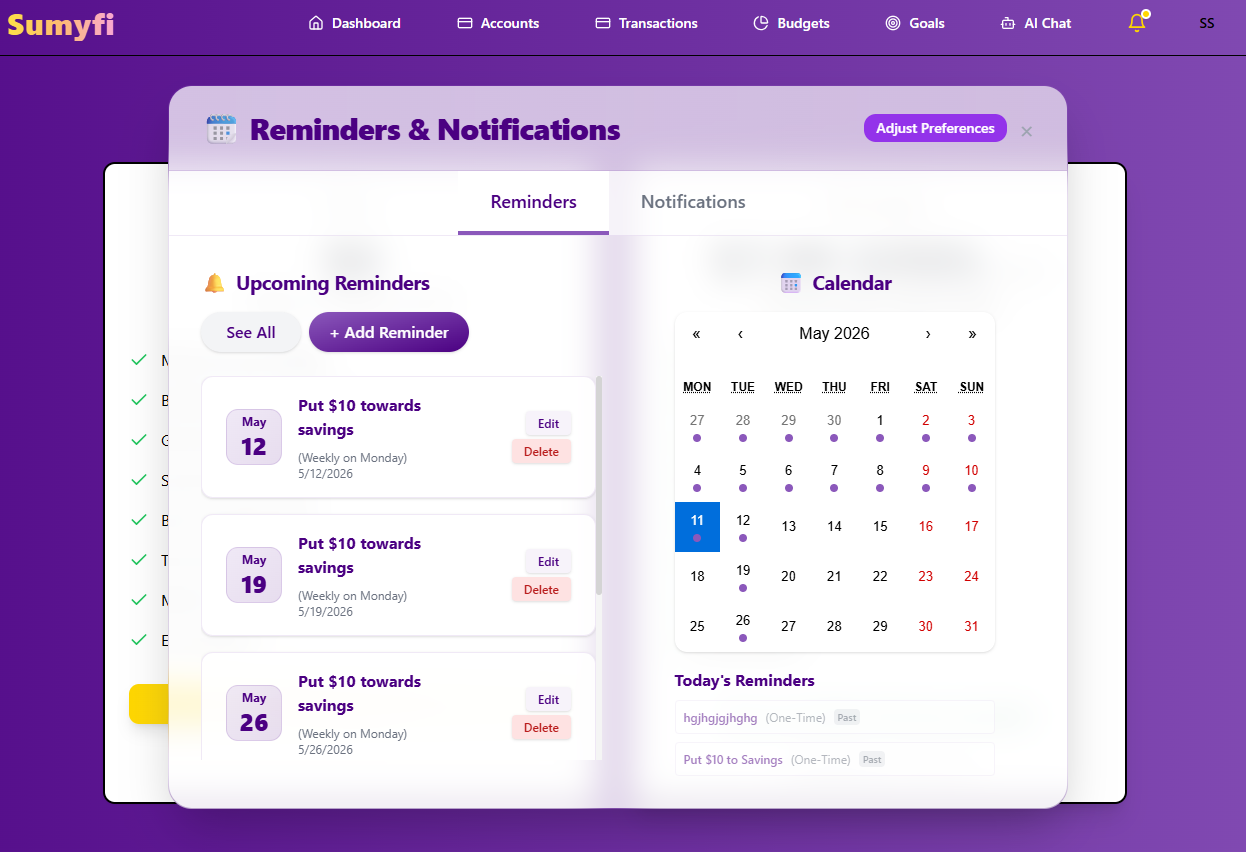
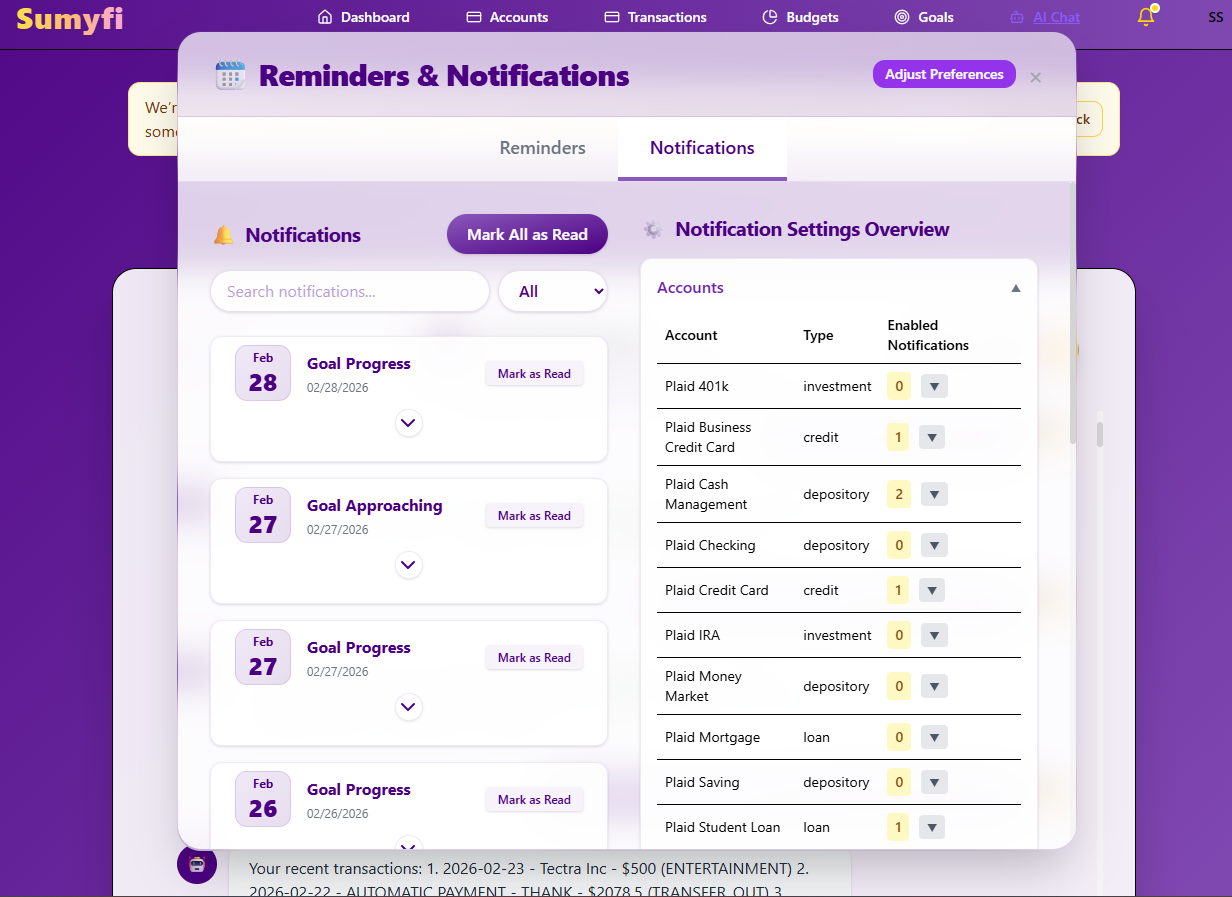
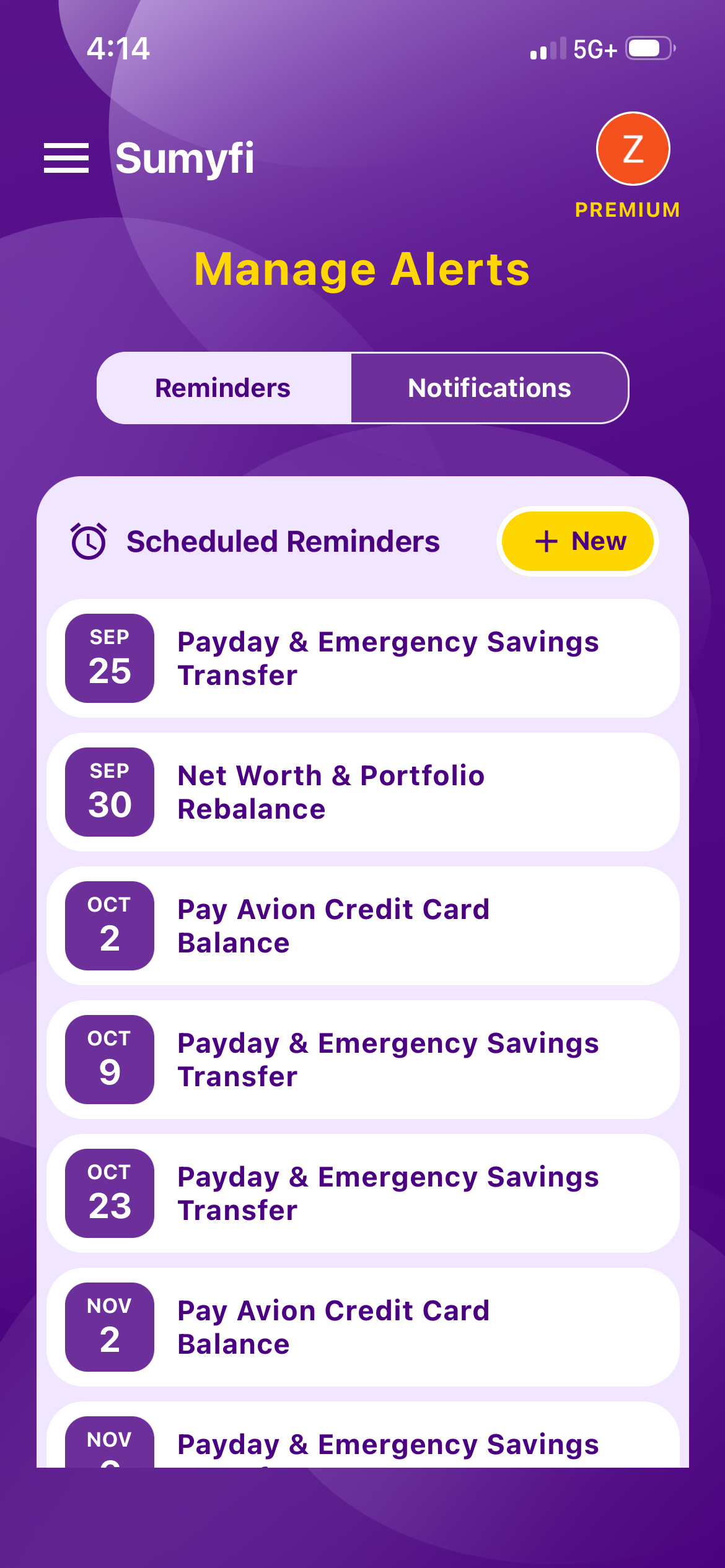
Customizable Alerts: Users need the flexibility to set reminders days or weeks in advance, via push notifications, email, or SMS, ensuring ample time to prepare for payment.
Due Date Tracking: A clear calendar view or dashboard displaying upcoming due dates is crucial for at-a-glance financial planning.
Broad Institutional Support
Compatibility with thousands of financial institutions across both the United States and Canada is essential for a truly comprehensive view, eliminating the need for fragmented solutions.
Secure Data Aggregation
Robust encryption and industry-standard security protocols are paramount to protect sensitive financial information during data synchronization.
Real-time Updates
Data should refresh frequently to provide an accurate, up-to-the-minute snapshot of your financial position.
Asset & Liability Aggregation
The ability to pull in data from all assets (bank accounts, investments, real estate) and liabilities (loans, mortgages, credit cards) to calculate a real-time net worth.
Trend Analysis
Visualizing how your net worth changes over time, influenced by your bill payments and other financial activities, provides a powerful motivator and indicator of financial progress.
Automated Categorization
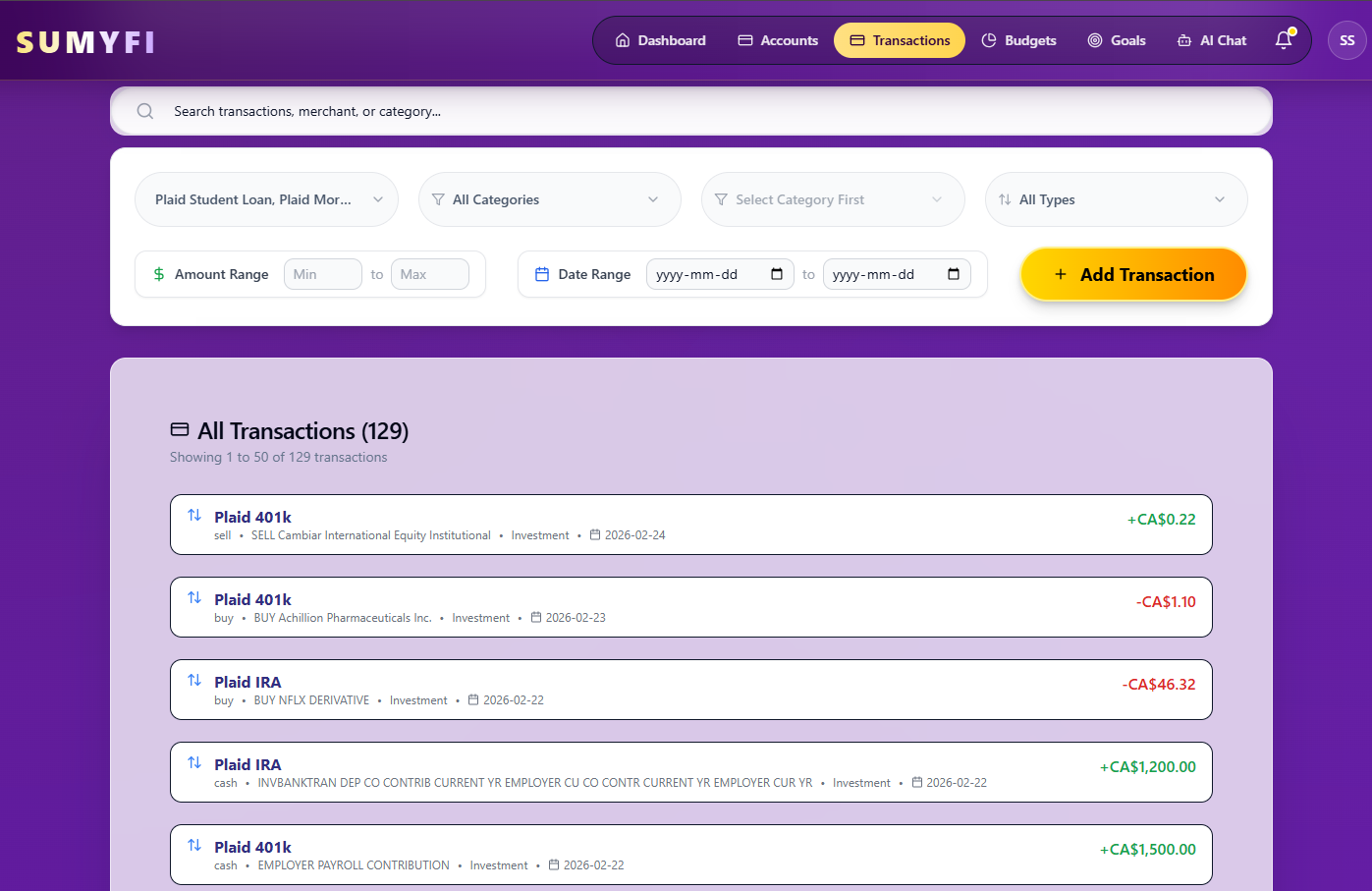
Transactions, including bill payments, should be automatically categorized to provide granular insights into spending.
Budget Creation & Monitoring
the page should make it possible to set and track budgets for various spending categories, with bill payments automatically factored in.
Spending Insights
Detailed reports and visualizations that break down spending by category, merchant, and time period, helping identify opportunities for savings.
Subscription Identification
Automatically detect all recurring subscription services.
Cost Analysis
Provide an overview of total monthly/annual subscription costs.
Actionable Insights
Offer tools or guidance for reviewing, managing, or canceling subscriptions directly from the app.
Slick and Modern
A visually appealing design that is easy on the eyes and a pleasure to use.
Crystal-Clear Navigation
Information should be logically organized and easily accessible, minimizing clicks and cognitive load.
Customizable Dashboard
the page should make it possible to tailor their home screen to prioritize the information most relevant to them.
The Sumyfi Advantage: The Modern Paradigm for Bill Tracking and Holistic Financial Management
While many apps claim to help you track bills, Sumyfi transcends these fragmented solutions by offering an elegantly engineered, truly all-in-one personal finance hub. It's not just the best app to track monthly bills; it's the definitive platform for achieving comprehensive financial mastery, built from the ground up for the demands of the 21st century.
Agile Engineering for a Lightning-Fast Experience
Sumyfi is built on agile engineering principles, ensuring a responsive, fluid, and continuously improving user experience. Forget the sluggish load times and clunky interfaces of legacy financial software. Sumyfi's architecture is optimized for speed and efficiency, meaning:
A Slick Dashboard for Unprecedented Clarity
Sumyfi's dashboard is a masterclass in data visualization and user-centric design. It takes complex financial information and distills it into an easy-to-understand, actionable format.
The All-in-One Hub: Beyond Just Bills
What truly sets Sumyfi apart as the best app to track monthly bills is its seamless integration of every facet of personal finance management. It's designed to replace the patchwork of spreadsheets, budgeting apps, investment trackers, and bill reminders you might currently be juggling.
Automated Bill Tracking & Proactive Reminders
Sumyfi's core strength for bill management lies in its intelligent automation:
Comprehensive Net Worth Tracking
Sumyfi goes beyond mere expense tracking to provide a holistic view of your financial health. By connecting all your bank accounts, credit cards, investments, and even manually added assets (like real estate), Sumyfi calculates and tracks your net worth in real-time.
Intelligent Budgeting and Spending Analysis
Effective bill management is intrinsically linked to smart budgeting. Sumyfi's integrated budgeting tools are designed for real-world use:
Advanced Subscription Management
Sumyfi actively helps you regain control over your recurring subscriptions:
Seamless Connectivity Across US and Canadian Institutions
A critical differentiator for Sumyfi is its robust and secure connectivity with thousands of financial institutions across both the United States and Canada. This means:
The Sumyfi Promise: Empowerment Through Clarity
Sumyfi isn't just a tool; it's a partner in your financial journey. It empowers you by:
> Ready to transform your financial management?
> Experience the Sumyfi difference. Say goodbye to late fees, forgotten subscriptions, and financial anxiety.
> [Sign Up for Sumyfi Today and Take Control of Your Monthly Bills!](https://www.sumyfi.com/signup)
Instant Syncing: Your financial data updates in near real-time, providing an accurate snapshot whenever you need it.
Rapid Navigation: Moving between sections, from your bill calendar to your net worth dashboard, is seamless and intuitive.
Future-Proof Design: The platform is designed to adapt quickly to new financial technologies and user needs, ensuring it remains at the forefront of personal finance innovation.
At-a-Glance Overview
Immediately see your upcoming bills, current account balances, net worth trend, and spending insights upon login.
Customizable Widgets
Tailor your dashboard to highlight the metrics most important to your financial goals.
Interactive Visualizations
Engaging charts and graphs make understanding your financial health not just simple, but genuinely insightful. No more deciphering dense reports; Sumyfi makes your money story clear.
Smart Bill Detection
Our advanced algorithms automatically identify recurring bills from your connected accounts, even those with variable amounts. No manual entry required.
Customizable Alert System
Set up reminders days or weeks before due dates, delivered via push notification or email, giving you ample time to ensure funds are available and payments are made.
Future Cash Flow Projection
See not just *what* bills are due, but *how* they impact your projected cash flow, helping you avoid overdrafts and plan for larger expenses.
Dynamic Net Worth Graph
Watch your wealth grow (or identify areas for improvement) with an intuitive, interactive graph.
Asset & Liability Breakdown
Understand the composition of your net worth, identifying where your assets are held and what your liabilities entail.
Goal-Oriented Tracking
Link your net worth growth to specific financial goals, providing motivation and a clear path forward.
Effortless Budget Creation
Set realistic budgets based on your actual spending history, automatically populated by categorized transactions.
Real-time Budget Monitoring
Track your spending against your budgets in real-time, receiving alerts before you overspend in a category.
Granular Spending Insights
Dive deep into your spending with detailed reports that break down expenses by category, merchant, and time period. Identify subscription creep, unnecessary expenditures, and opportunities to save.
Automated Subscription Discovery
Our system identifies all your recurring subscriptions, even those you might have forgotten about.
Actionable Recommendations
Get insights into your subscription spending and easily identify services you might want to cancel or renegotiate.
Unified Financial View
Whether you bank with a major US institution, a Canadian credit union, or hold investments in both countries, Sumyfi brings all your data together in one secure place.
No More Regional Limitations
Unlike many apps that cater to only one market, Sumyfi offers a truly cross-border solution for individuals and families managing finances in North America.
Bank-Level Security
We prioritize your data security with 256-bit AES encryption, multi-factor authentication, and read-only access to your accounts, ensuring your information is always protected.
Eliminating Financial Blind Spots
See every dollar, every bill, and every asset in one clear view.
Automating Tedious Tasks
Free up your time from manual tracking and data entry.
Providing Actionable Insights
Move beyond raw data to understand what your money means and how to optimize it.
Reducing Financial Stress
Gain peace of mind knowing your bills are tracked, your budget is managed, and your financial future is in focus.
Beyond the Basics: Advanced Bill Tracking Strategies with Sumyfi
Having the best app to track monthly bills is just the beginning. Sumyfi enables advanced strategies that elevate your financial game.
Optimizing Bill Payment Dates
With Sumyfi's clear overview of upcoming bills, you can strategically adjust payment dates (where possible) to align with your paychecks. This "cash flow optimization" ensures you always have funds available, preventing overdrafts and reducing financial strain. Imagine restructuring your payment schedule so that major bills land shortly after your salary hits, creating a smoother financial rhythm throughout the month.
Identifying and Attacking Debt
Sumyfi's comprehensive view of your liabilities, combined with its bill tracking capabilities, makes it an invaluable tool for debt management.
Predicting Future Financial Health
Sumyfi's ability to track recurring bills and integrate them with your income and other expenses allows for powerful forecasting. You can project your account balances weeks or even months into the future, anticipating potential shortfalls or identifying periods of surplus. This proactive insight is invaluable for planning large purchases, saving for specific goals, or simply ensuring financial stability.
- Visualize All Debts: See all your credit card balances, loans, and mortgages in one place.
- Track Minimum Payments: Ensure all minimum payments are met on time, protecting your credit score.
- Identify Extra Payment Opportunities: By understanding your cash flow and budget, Sumyfi helps you identify surplus funds that can be allocated to accelerate debt repayment, saving you thousands in interest over time.
Sumyfi vs. The Alternatives: Why Modern Solutions Prevail
The market has seen a variety of bill tracking and personal finance apps, from long-standing options like Mint and YNAB to newer entrants like Monarch Money and Rocket Money. While these platforms offer some level of bill tracking, they often fall short of Sumyfi's holistic, modern, and cross-border approach.
Sumyfi isn't just another contender; it represents a paradigm shift in personal finance management. It's built for those who demand more than just basic tracking-those who seek an integrated, intelligent, and intuitive platform to truly master their money.
Legacy Systems vs. Agile Engineering: Many older platforms can feel clunky, suffer from slow syncing, or have outdated interfaces. Sumyfi's agile engineering ensures a fluid, fast, and continuously evolving experience.
Fragmented vs. All-in-One: Some apps specialize in budgeting, others in net worth, and others purely in bill reminders. Sumyfi integrates all these functions into a single, cohesive platform, eliminating the need to switch between multiple tools.
Regional Limitations vs. US & Canada Connectivity: A significant pain point for many North Americans is finding a single app that seamlessly connects with institutions in both the US and Canada. Sumyfi solves this with robust, secure, and comprehensive cross-border integration.
Reactive vs. Proactive Insights: While many apps tell you what *happened*, Sumyfi focuses on what's *coming* and what *could be*. Its predictive capabilities and actionable insights empower proactive financial decisions, not just retrospective analysis.
Who Is Sumyfi For?
If you're tired of fragmented financial tools, late fees, and the nagging feeling that you could be managing your money better, Sumyfi is engineered for you.
Busy Professionals: Who need an automated, reliable system to manage their finances without constant manual intervention.
Families & Households: Looking for a centralized hub to track shared expenses, manage household bills, and plan for collective financial goals.
Cross-Border Individuals
Anyone living, working, or investing in both the United States and Canada who needs a unified financial view.
Debt Repayers
Seeking clarity on their liabilities and tools to accelerate their debt-free journey.
Savvy Savers & Investors
Who want a holistic view of their net worth and cash flow to optimize savings and investment strategies.
Anyone Seeking Financial Peace of Mind
Who wants to eliminate the stress of forgotten bills, unexpected expenses, and financial uncertainty.
Getting Started with Sumyfi: Your Path to Financial Clarity
Embarking on your Sumyfi journey is designed to be as swift and seamless as possible. Our lightning-fast setup ensures you can connect your financial institutions and begin tracking your bills and finances within minutes.
- Create Your Secure Account: A quick and easy signup process.
- Watch the Magic Happen: Sumyfi instantly aggregates your transactions, identifies recurring bills, calculates your net worth, and begins building your financial picture on a slick, intuitive dashboard.
- Customize Your Experience: Set up personalized bill reminders, define your budgeting categories, and tailor your dashboard to focus on what matters most to you.
> Don't let another bill slip through the cracks.
> Discover why Sumyfi is hailed as the best app to track monthly bills and your ultimate financial partner.
> [Download the Sumyfi App and Start Your Free Trial Today!](https://www.sumyfi.com/download-app)
Maximizing Your Financial Health with Sumyfi: Beyond Bill Tracking
While this article focuses on the best app to track monthly bills, it's crucial to reiterate that Sumyfi's true power lies in its comprehensive ecosystem. By integrating bill tracking with budgeting, net worth analysis, and spending insights, Sumyfi enables a level of financial optimization that standalone apps simply cannot match.
Sumyfi transforms financial management from a chore into an empowering journey. It provides the clarity, control, and confidence you need to not just track your bills, but to master your entire financial universe.
Future-Proofing Your Finances with Sumyfi
The financial world is constantly evolving, with new technologies, payment methods, and economic shifts emerging regularly. Sumyfi is built with this dynamic environment in mind. Our commitment to agile engineering means continuous updates, new features, and an unwavering focus on security and user experience.
By choosing Sumyfi, you're not just selecting the best app to track monthly bills for today; you're investing in a financial partner that will adapt and grow with your needs, ensuring your financial management remains cutting-edge and effective for years to come.
Create a Debt Payoff Plan
Use Sumyfi to identify extra funds and strategically allocate them to high-interest debts.
Build an Emergency Fund
Track your progress towards essential savings goals, ensuring you have a buffer against unforeseen expenses.
Plan for Major Life Events
Whether it's a down payment on a home, a child's education, or retirement, Sumyfi provides the tools to forecast and save effectively.
Identify Unnecessary Spending
Pinpoint areas where you can cut back, freeing up more money for your financial goals.
Monitor Investment Performance
Keep an eye on your investment portfolio alongside your daily cash flow and bills, understanding how all elements of your financial life interact.