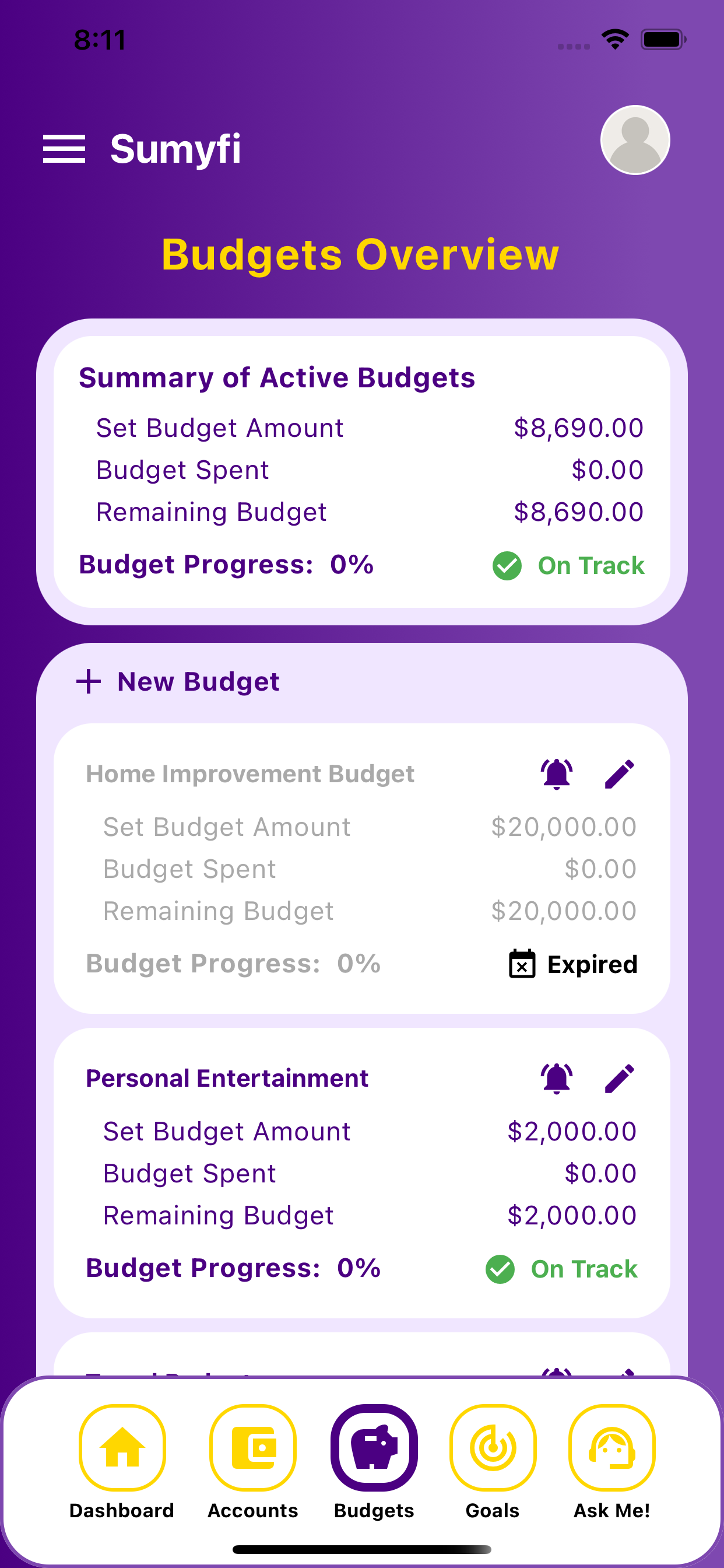
Use one clear workflow for budgeting when there is very little room for surprises between paydays with practical comparisons, concrete product details, and fewer disconnected money tools.
When your entire monthly income is immediately consumed by immediate obligations-such as rent, utilities, loan payments, and groceries-there is virtually no margin for error. Under these conditions, minor unexpected expenses like a car repair, a dental visit, or a utility price spike can disrupt your entire budget, leading to high-interest credit card debt and costly bank overdraft fees.
Breaking out of this cycle requires more than just basic mathematical calculations; it demands real-time financial visibility, automated expense tracking, and strategic cash flow alignment. Many traditional budgeting applications are too complex or require too much manual input, leading users to abandon them during moments of financial stress. To transition from constant financial survival to long-term wealth accumulation, you need the best budget app for paycheck to paycheck budgeting-a platform designed to clarify your cash flow, identify hidden expenses, and help you systematically build your first financial cushion.
The Undeniable Imperative: Why Traditional Budgeting Fails When Margins are Tight
Standard personal finance advice often relies on rigid budgeting templates or percentage-based rules, such as allocating 50% of your income to needs and 20% to savings. However, for those living paycheck to paycheck, these static frameworks can feel highly unrealistic:
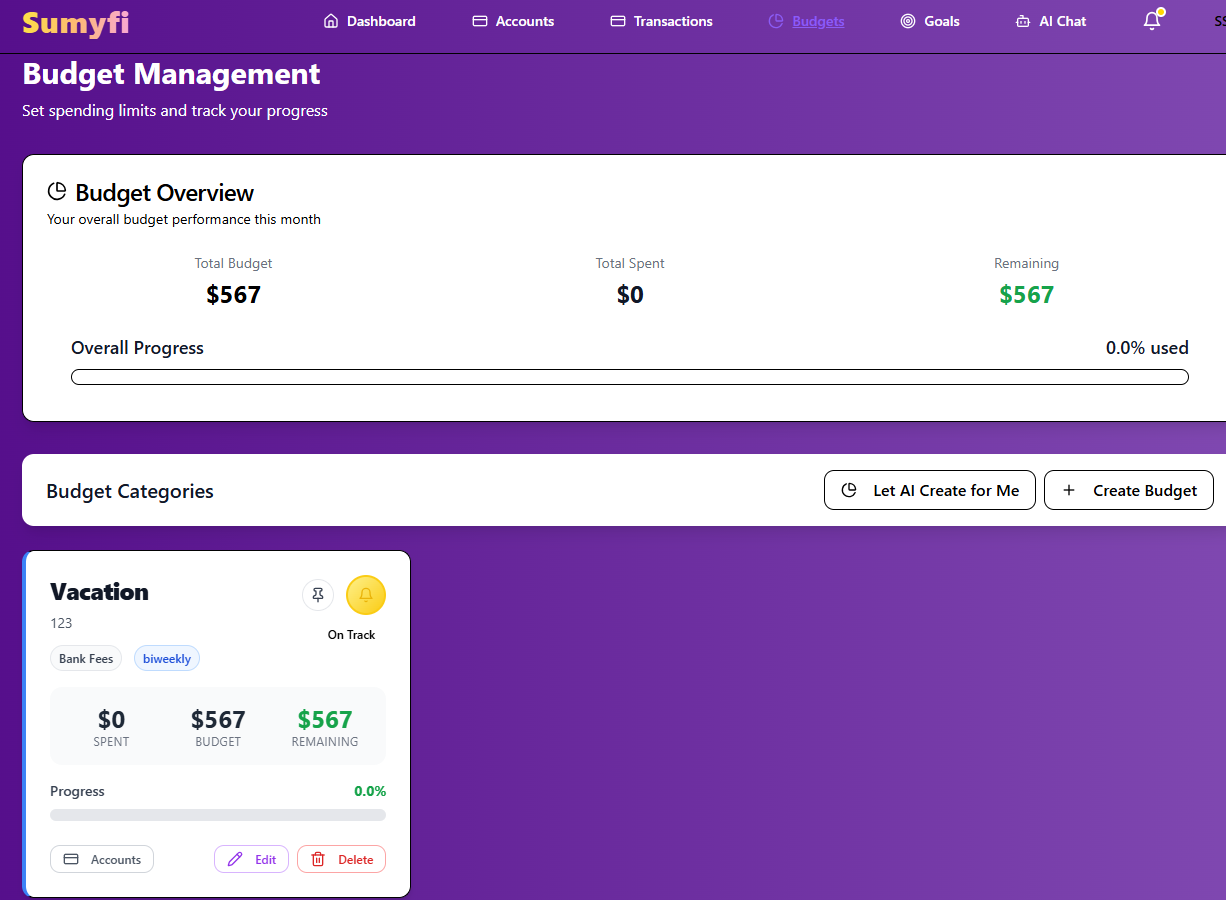
To escape this cycle, you need an automated personal finance tool that aligns your bill due dates with your income schedule and highlights your true "safe-to-spend" balance.
High Fixed Expenses
In many areas, essential costs like rent, insurance, and utilities can easily exceed 50% of your net income, making traditional percentage-based allocations impractical.
The Cash Flow Timing Gap
A budget might show that your monthly income exceeds your total expenses on paper. However, if your major bills are due on the 1st of the month but your next paycheck does not arrive until the 15th, you face a critical liquidity gap that traditional monthly budgeting tools fail to address.
Hidden Subscription Leakage
Small, recurring charges for forgotten streaming services, software subscriptions, and memberships can quietly drain your account, leaving you with less cash than expected when major bills arrive.
Avoidance Due to Emotional Fatigue
Manually entering transactions into a spreadsheet or app can be emotionally draining when money is tight. This manual friction often leads to avoidance, leaving users without clear visibility into their actual spending.
Overdraft and Late Fee Vulnerability
Without proactive reminders and accurate, up-to-the-minute account balances, it is incredibly easy to incur costly overdraft charges and late fees, which only makes the cycle harder to break.
Deconstructing Excellence: What Defines the Best Budget App for Paycheck to Paycheck Earners?
To help you break the cycle of living paycheck to paycheck, a budgeting app must offer features that address real-time cash flow challenges:
Unified Multi-Account Syncing
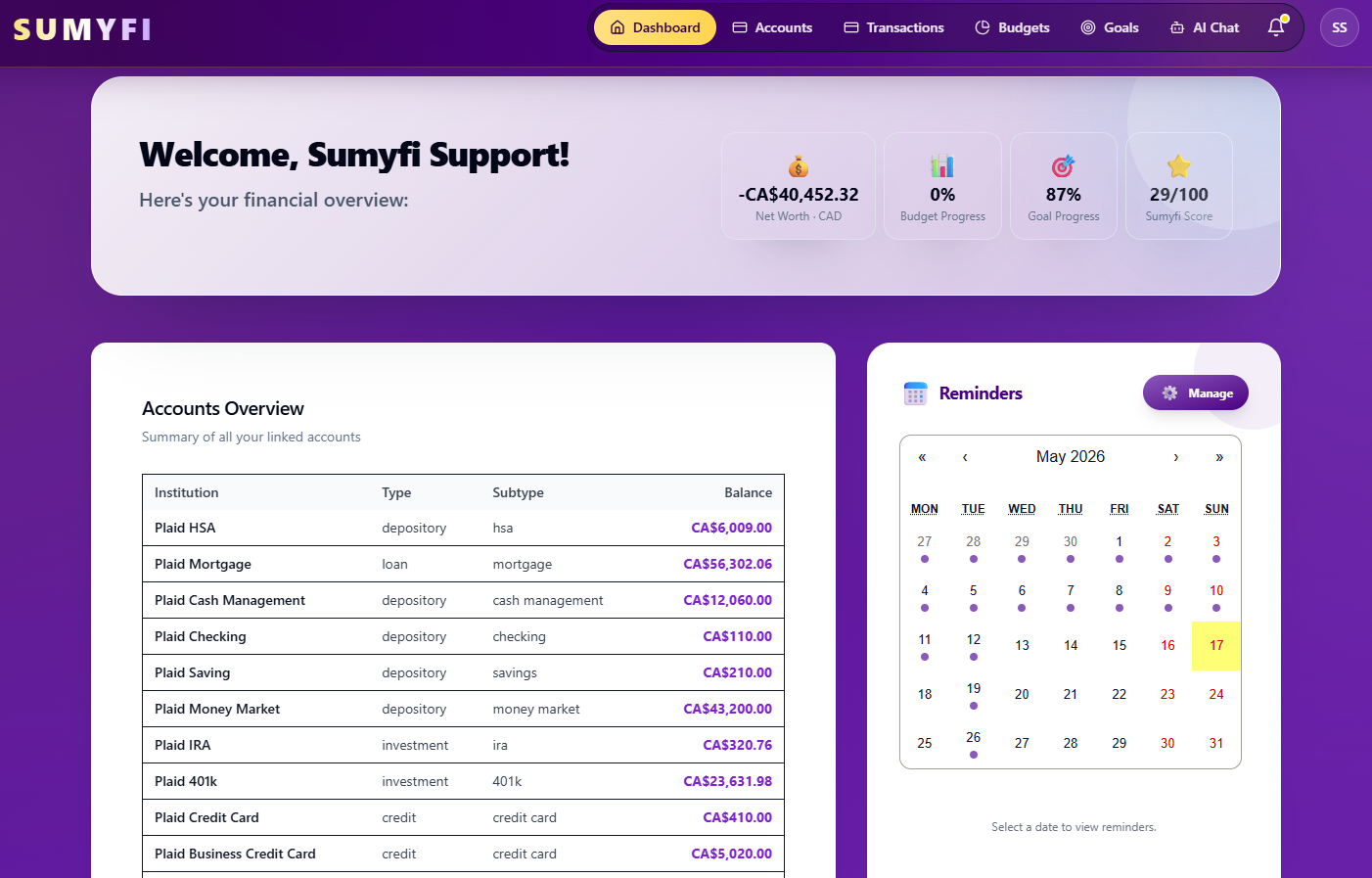
You cannot make informed spending decisions without a clear, consolidated view of your money. The ideal app must connect securely to your checking accounts, savings accounts, and credit cards, displaying all your balances in a single, real-time dashboard.
Proactive Bill and Subscription Alerts
To prevent unexpected charges from draining your account, the app must automatically identify recurring bills and active subscriptions, sending you timely reminders before funds are deducted.
Clear Safe-to-Spend Calculations
An effective app must do more than display your raw bank balance. It should calculate your true "safe-to-spend" cash by subtracting upcoming bills, loan payments, and essential obligations from your current balance, helping you avoid accidental overspending.
Dynamic Net Worth Tracking
Breaking the paycheck-to-paycheck cycle requires shifting your focus from short-term survival to long-term progress. Your budgeting tool should track your net worth in real-time, helping you visualize your financial growth as you pay down debt and build savings.
Multi-Platform Accessibility
Your financial data should be accessible whenever and wherever you need it. A modern budgeting app must sync seamlessly across mobile devices and web interfaces, keeping your information current across all platforms.
The Evolution of Cash Flow Management: From Physical Envelopes to AI Guardrails
The tools available to manage tight cash flows have evolved significantly over the past few decades:
└────────────────────────────────────────────────────────┘
┌────────────────────────────────────────────────────────┐
│ EVOLUTION OF CASH MANAGEMENT │
├────────────────────────────────────────────────────────┤
│ 1. PHYSICAL ENVELOPES: Tactile cash allocation │
│ │ │
│ ▼ │
│ 2. RECONCILED LEDGERS: Retrospective tracking │
│ 3. BASE BUDGETING APPS: Manual digital entries │
│ 4. INTEGRATED HUB (SUMYFI): Real - time AI guardrails │
Physical Envelopes: In the analog era, people allocated physical cash into labeled paper envelopes for different spending categories. While this method prevented overspending, it is impractical in today's digital, cashless economy.
Reconciled Ledgers: Early digital budgeting involved manually entering past transactions into spreadsheets or desktop software. While this provided a record of historical spending, it was entirely retrospective and did not help prevent real-time overspending.
Base Budgeting Apps: The first wave of personal finance apps introduced basic digital transaction tracking. However, they still required significant manual entry, failed to account for cash flow timing, and offered little proactive assistance.
Integrated Hubs (Sumyfi): Today, advanced personal finance hubs like Sumyfi use secure API integrations and AI-driven automation to monitor cash flow in real-time. By predicting upcoming obligations and offering personalized coaching, they provide active guardrails that help you stay ahead of your expenses.
Sumyfi: Your Partner in Breaking the Paycheck-to-Paycheck Cycle
Sumyfi is designed to simplify money management and reduce the stress of tight monthly budgets. By automating the tracking process and providing clear, actionable insights, Sumyfi helps you transition from financial survival to long-term growth.
Automated Connection to 12,000+ Institutions
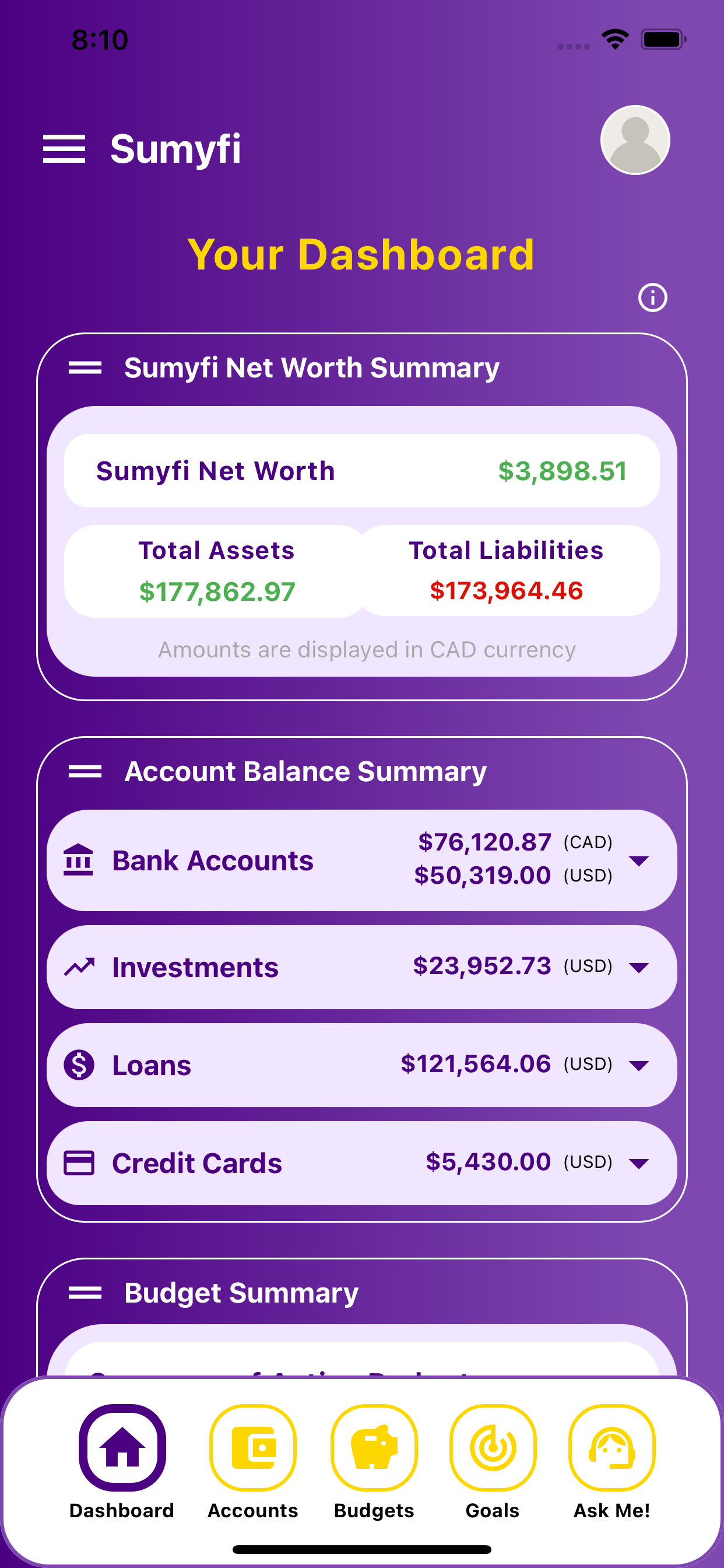
Sumyfi securely connects with over 12,000 banks, credit unions, and financial platforms across the United States and Canada. This comprehensive integration brings your checking accounts, savings, credit cards, and loans into a single dashboard, eliminating the need to log into multiple banking portals to check your balances.
Intelligent Bill Detection and Scheduling
Sumyfi automatically scans your transaction history to identify recurring bills, utilities, and subscription payments. It lists these upcoming obligations clearly on your dashboard, helping you anticipate cash demands and schedule payments to match your paycheck cycle.
Live Net Worth Visualization
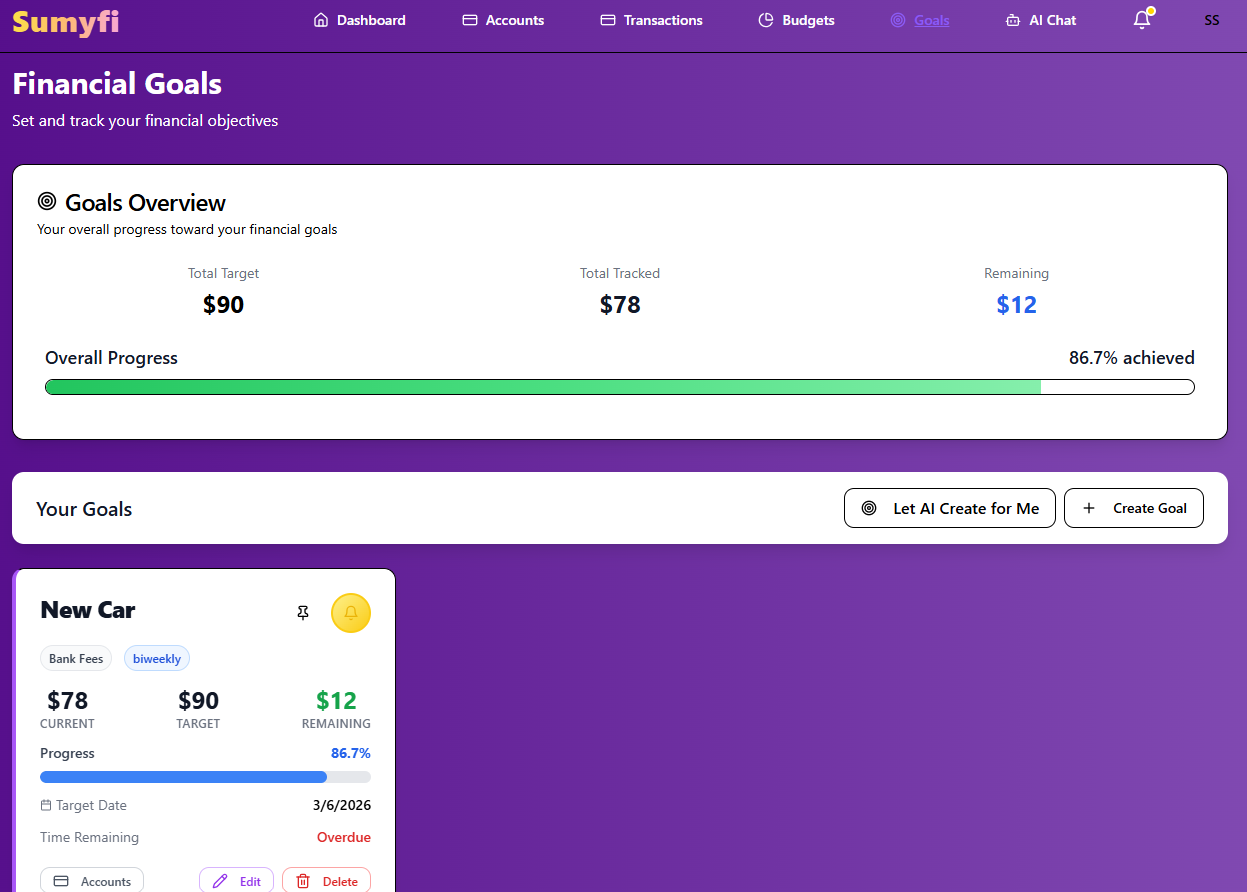
Every dollar of debt paid down and every dollar saved is a step toward financial freedom. Sumyfi's automated net worth tracking combines your assets and liabilities into a single, real-time metric, letting you see the direct impact of your positive financial habits.
Real-Time AI Financial Coaching
When margins are tight, having quick access to reliable financial guidance is highly valuable. Sumyfi's built-in AI assistant acts as a personalized financial coach. You can ask questions such as: "How much cash do I need to keep in my checking account this week to safely cover my upcoming utility bill and car payment?" The AI analyzes your connected account data to provide clear, actionable guidance.
Bank-Grade Security
Sumyfi utilizes 256-bit AES encryption for all data in transit and at rest, maintaining the same security standards as major financial institutions. With strictly read-only access, Sumyfi can never move money or initiate transactions, ensuring your funds are always secure.
How Best Budget App for Paycheck to Paycheck compares with older alternatives in real use
See how Sumyfi compares to traditional budgeting methods:
Legacy Budgeting Software
Sumyfi Personal Finance Hub
None (requires user input)
Slow / Prone to sync errors
Automatic real-time syncing
No proactive warnings
Manual calendar alerts only
Retrospective alerts only
Proactive bill and balance warnings
Subscription Clean-up
Manual analysis required
Basic categorization only
Automated subscription tracking
Interactive, data-driven AI coach
Complex setup and maintenance
Fragmented functionality
Cluttered, outdated interface
Clean, intuitive dashboard design
Start your journey with Sumyfi today. Sign up now!