Money management gets easier once the week has a default review rhythm
A lot of financial stress comes from irregular attention. When the review only happens after a surprise charge or a tense bank login, the whole system feels reactive. The better answer is a default rhythm that catches problems earlier.
That rhythm does not need to be elaborate. It needs to happen often enough that balances, recurring bills, spending pressure, and goals stay familiar instead of becoming a puzzle every time the dashboard opens.
This is why the strongest pages in this category focus on repeatable review structure instead of generic motivation.
- Use a steady weekly check-in instead of emergency reviews
- Keep the account picture familiar
- Catch small issues before they become stressful
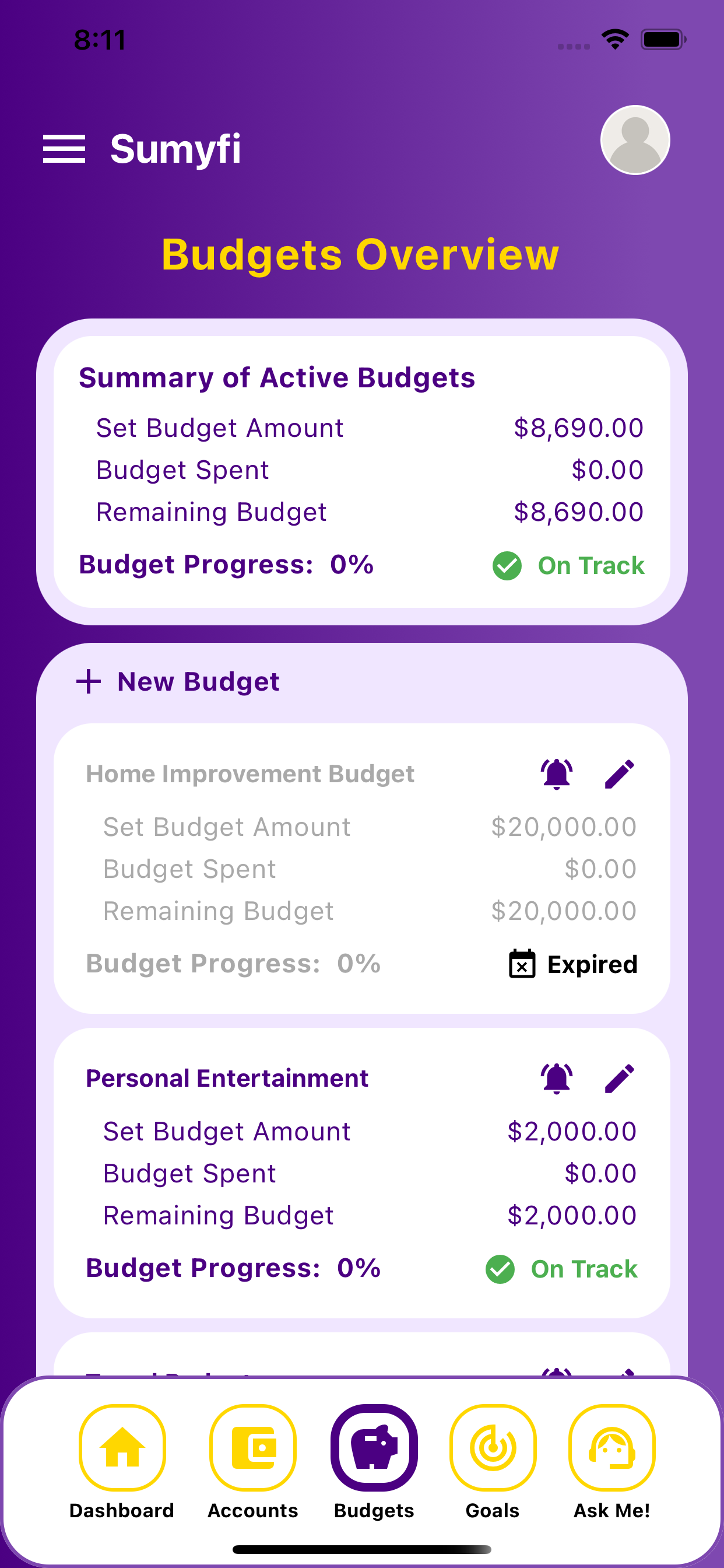
Most money decisions improve when bills, balances, and flexible spending stay in one view
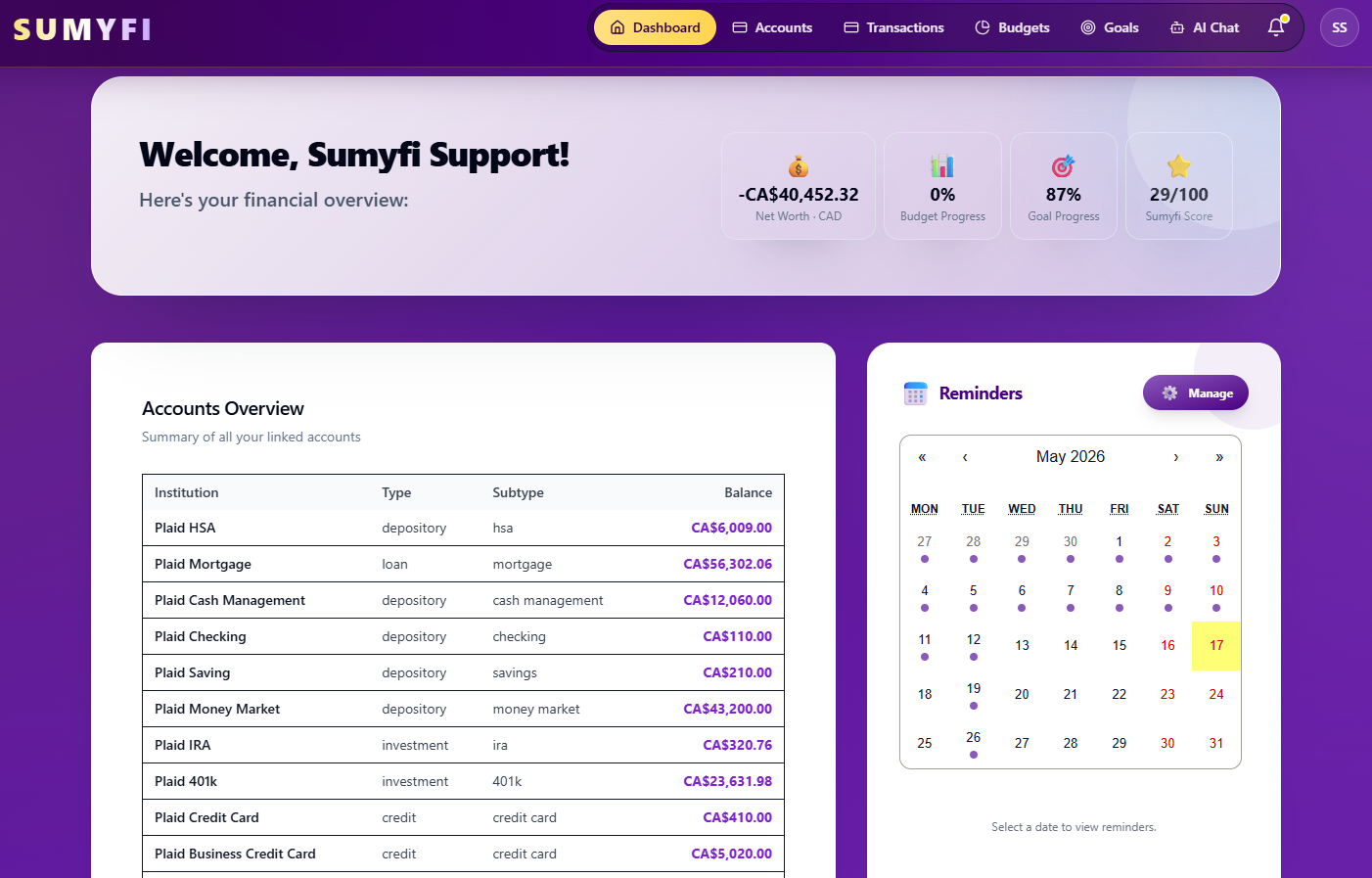
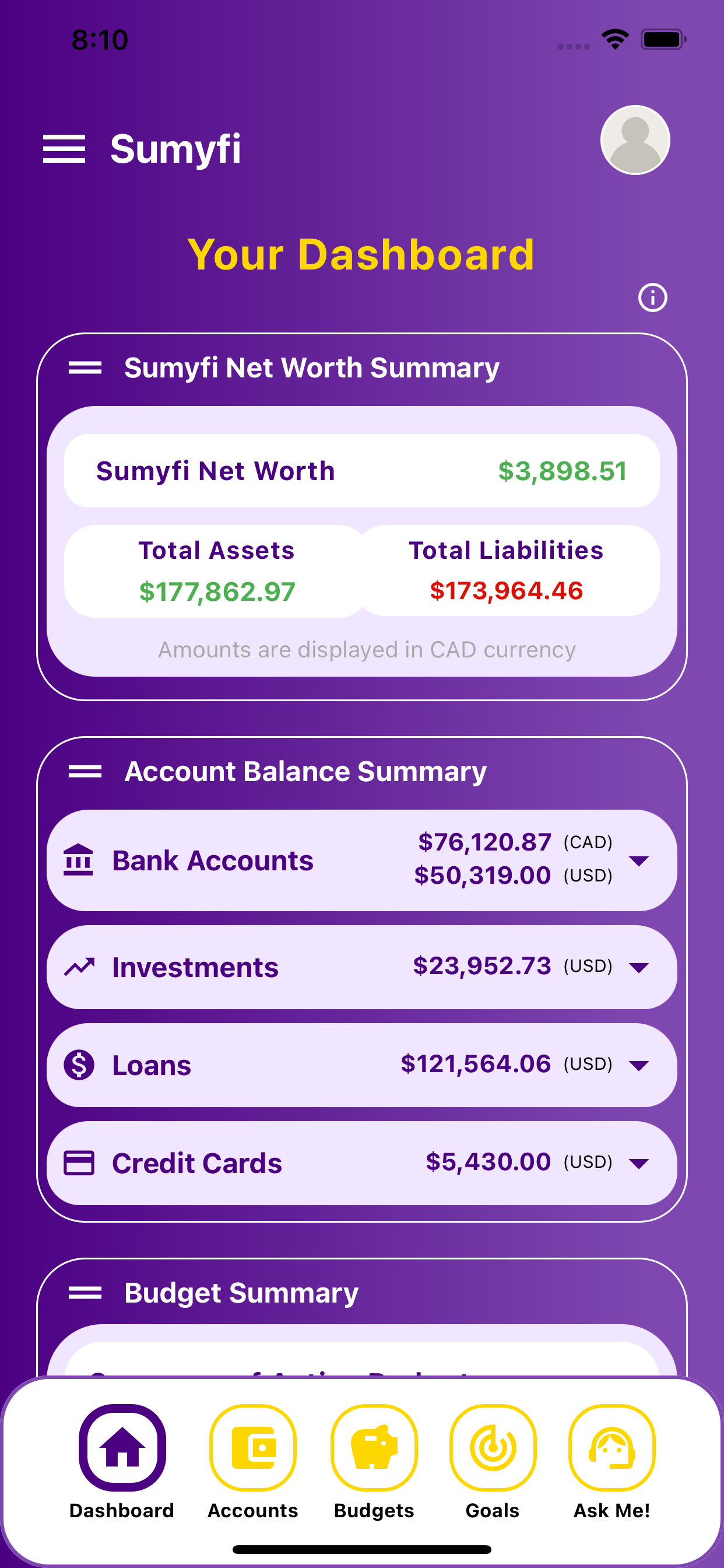
The daily money picture is easier to manage when the fixed and flexible pieces are visible together. Recurring bills explain what is already committed. Current balances show how much breathing room is left. Spending categories reveal where the month is drifting off course.
When those pieces live in different places, financial management becomes slower and more emotional than it needs to be. Too much effort goes into reconstructing the picture before any useful choice can be made.
The better workflow keeps the reconstruction step short so energy can go toward the actual decision.
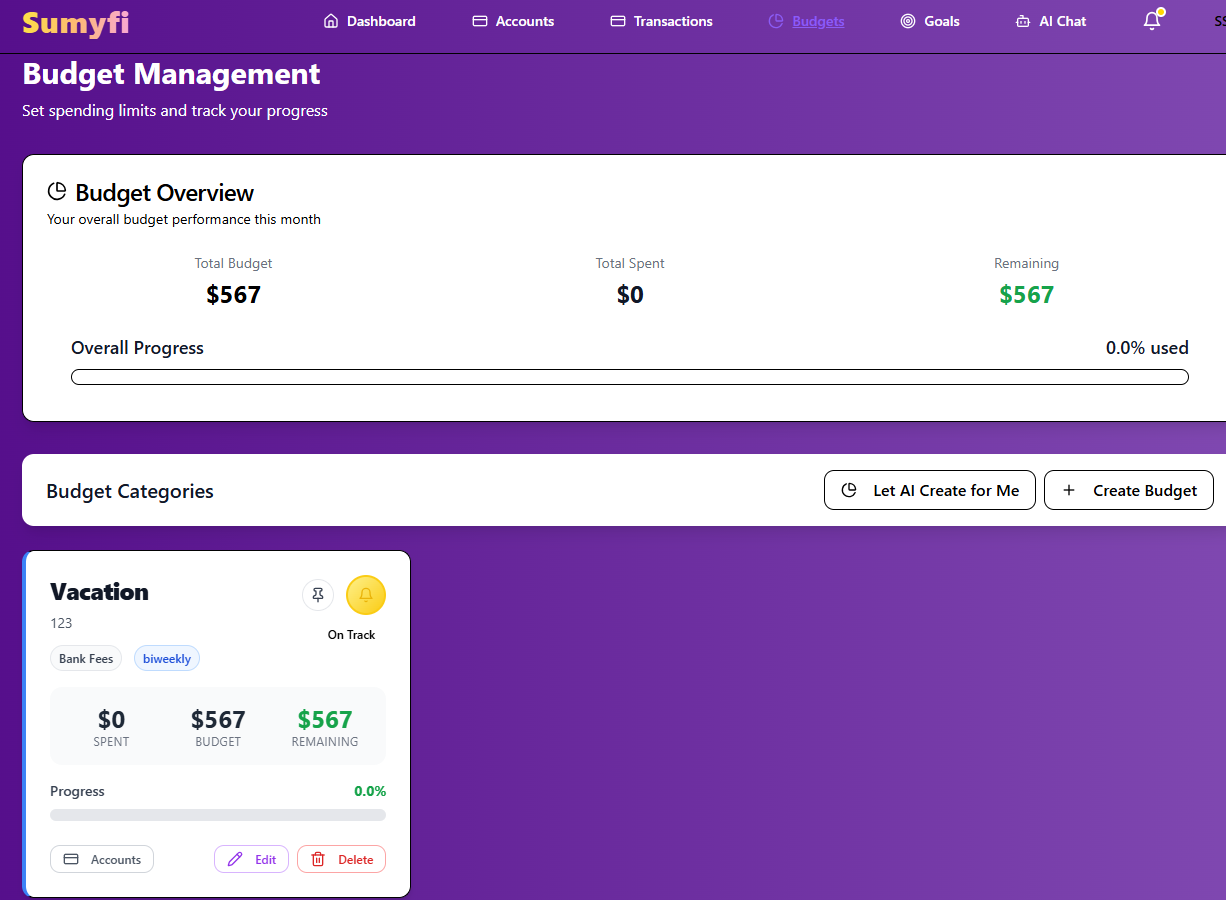
- See committed bills and flexible spending together
- Reduce reconstruction before every decision
- Use one view to decide what changes next
A manageable system should still work when the month is imperfect
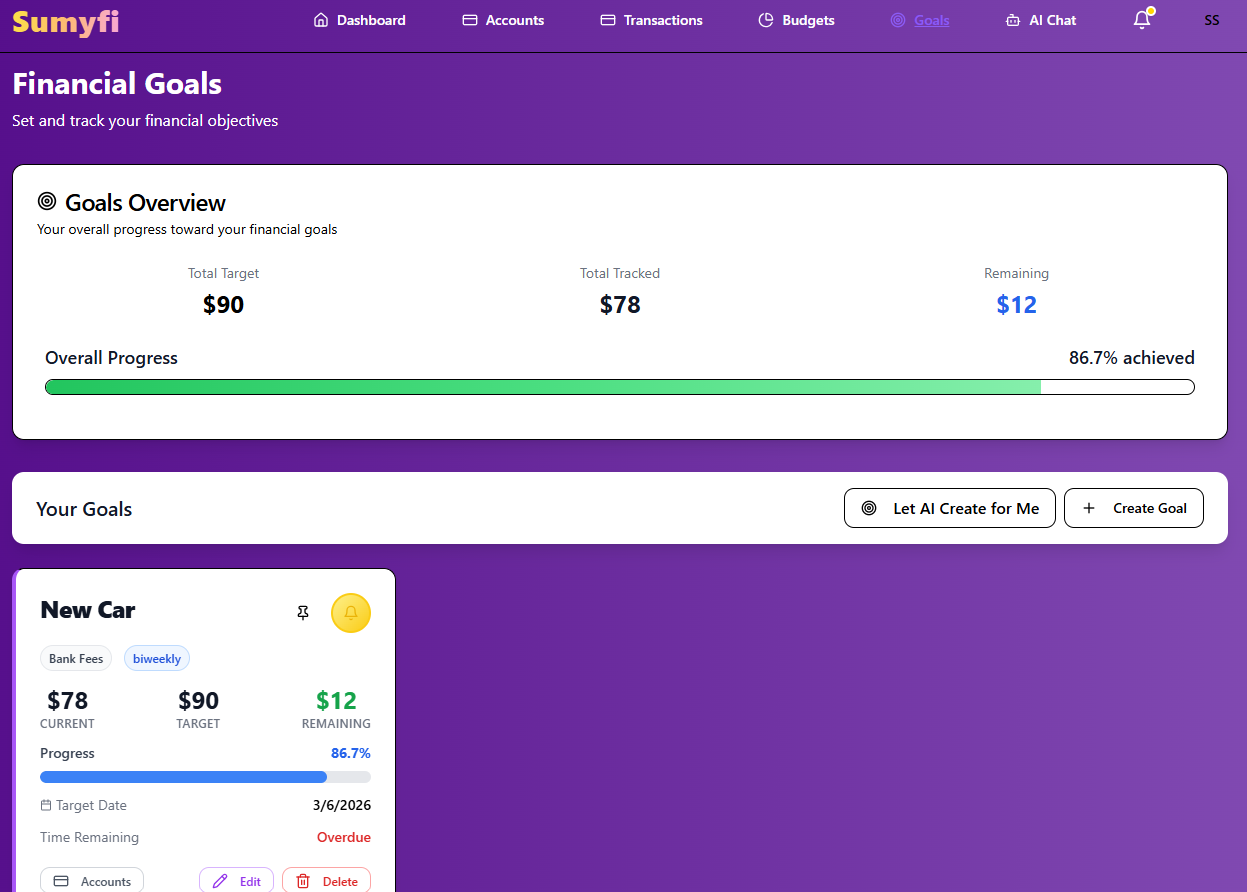
A realistic finance routine cannot depend on flawless behavior. Some weeks will be busier, some categories will overshoot, and some goals will move slower than planned. The system still has to work in those conditions.
That is why simplicity matters. A manageable workflow should make it easy to reopen the dashboard, understand the current position quickly, and make one useful correction without turning the whole month into a self-audit.
If the routine survives imperfection, it is strong enough to keep.
- Expect imperfect weeks
- Reopen the dashboard without friction
- Aim for one useful correction at a time