A reduce-monthly-expenses app should do more than tell users to spend less. It should show which recurring costs, habits, and category drifts are actually worth targeting first so users can lower monthly pressure without guessing.
For many, the journey to financial optimization begins with a daunting stack of bills, a confusing array of subscriptions, and a vague sense of where their hard-earned money actually goes. The traditional methods - manual spreadsheets, paper ledgers, or simply hoping for the best - are no longer sufficient. What's needed is a modern, agile, and intelligent solution: a dedicated reduce monthly expenses app.
This is where Sumyfi enters the arena, not merely as another financial tool, but as the quintessential all-in-one personal finance hub engineered to transform your relationship with money. Forget the cumbersome, the clunky, and the complicated. Sumyfi offers a sleek, intuitive, and powerful platform designed from the ground up to empower you to track, analyze, and dramatically reduce your monthly outgoings, paving a clear path to lasting financial prosperity.
The Imperative to Reduce Monthly Expenses in the Modern Economy
The global financial landscape is a complex tapestry woven with threads of opportunity and challenge. From escalating housing costs to the rising price of everyday necessities, the pressure on household budgets is relentless. Understanding *why* reducing monthly expenses is so vital is the first step toward effective action.
Navigating Economic Headwinds: Inflation and Cost of Living
Inflation, the silent erosion of purchasing power, consistently chips away at the value of your income. What cost $100 last year might cost $105 or $110 today, meaning your fixed income buys less. This economic reality makes proactive expense management not just advisable, but absolutely essential. By consciously reducing discretionary spending and optimizing fixed costs, you can effectively counteract the impact of inflation, preserving your financial stability and even growing your wealth.
The Burden of Debt and the Pursuit of Financial Freedom
High-interest debt - credit cards, personal loans, or even lingering student debt - acts as a significant drag on your financial progress. Every dollar spent on interest payments is a dollar that could have been invested, saved, or used to improve your quality of life. A primary goal of reducing monthly expenses is to free up capital to accelerate debt repayment, thereby reducing interest accrual and ultimately achieving debt freedom faster. This liberation from debt isn't just about numbers; it's about unlocking choices, reducing stress, and gaining true financial autonomy.
Fueling Your Financial Goals: From Homeownership to Retirement
Whether your aspirations involve purchasing a home, funding your children's education, embarking on a dream vacation, or building a robust retirement fund, every financial goal requires capital. Reducing your monthly expenses directly contributes to your ability to save and invest more aggressively. It's a fundamental lever you can pull to accelerate your progress toward these milestones, transforming abstract dreams into tangible realities.
The Psychological Impact: Stress Reduction and Empowerment
Beyond the tangible monetary benefits, gaining control over your expenses offers profound psychological advantages. Financial stress is a leading cause of anxiety and relationship strain. By proactively managing and reducing your spending, you replace uncertainty with clarity, anxiety with confidence, and a sense of being overwhelmed with a feeling of empowered control. This shift in mindset is invaluable.
Beyond the Spreadsheet: Why a Dedicated Reduce Monthly Expenses App is Essential
For generations, the humble spreadsheet has been the go-to tool for budgeters. While effective for some, its limitations in today's fast-paced, digitally interconnected world are glaring. Enter the reduce monthly expenses app - a revolutionary leap forward in personal finance management.
The Limitations of Manual Tracking
The Transformative Power of a Modern Expense Reduction App
A dedicated reduce monthly expenses app addresses all these pain points and introduces a suite of powerful capabilities that fundamentally change how you interact with your money.
In essence, a sophisticated reduce monthly expenses app transforms financial management from a chore into an empowering, insightful, and automated process, freeing you to focus on strategic decisions rather than tactical data entry.
Time-Consuming Data Entry: Manually inputting every transaction from multiple bank accounts and credit cards is tedious, prone to error, and a significant deterrent to consistent tracking.
Lack of Real-Time Insights: Spreadsheets are static. They only reflect data you've manually entered, making it difficult to get an immediate, accurate snapshot of your spending in real-time.
Difficulty with Categorization
Manually assigning categories to hundreds of transactions is arduous and often leads to inconsistent or inaccurate data, skewing your understanding of where money goes.
No Automated Alerts
Spreadsheets can't warn you when you're nearing budget limits, identify suspicious transactions, or remind you of upcoming bills.
Limited Analytical Capabilities
While you can create formulas, complex trend analysis, comparative reporting, and predictive insights are often beyond the average user's spreadsheet prowess.
Security Concerns
Storing sensitive financial data in unencrypted spreadsheets or cloud documents can pose security risks.
Automation
Connects directly to your financial institutions, automatically importing and categorizing transactions. This eliminates manual data entry and ensures accuracy.
Real-Time Visibility
Provides an instant, up-to-the-minute view of your spending, income, and overall financial health.
Insightful Analytics
Generates clear, actionable reports and visualizations that highlight spending patterns, identify areas for savings, and track progress toward goals.
Proactive Alerts
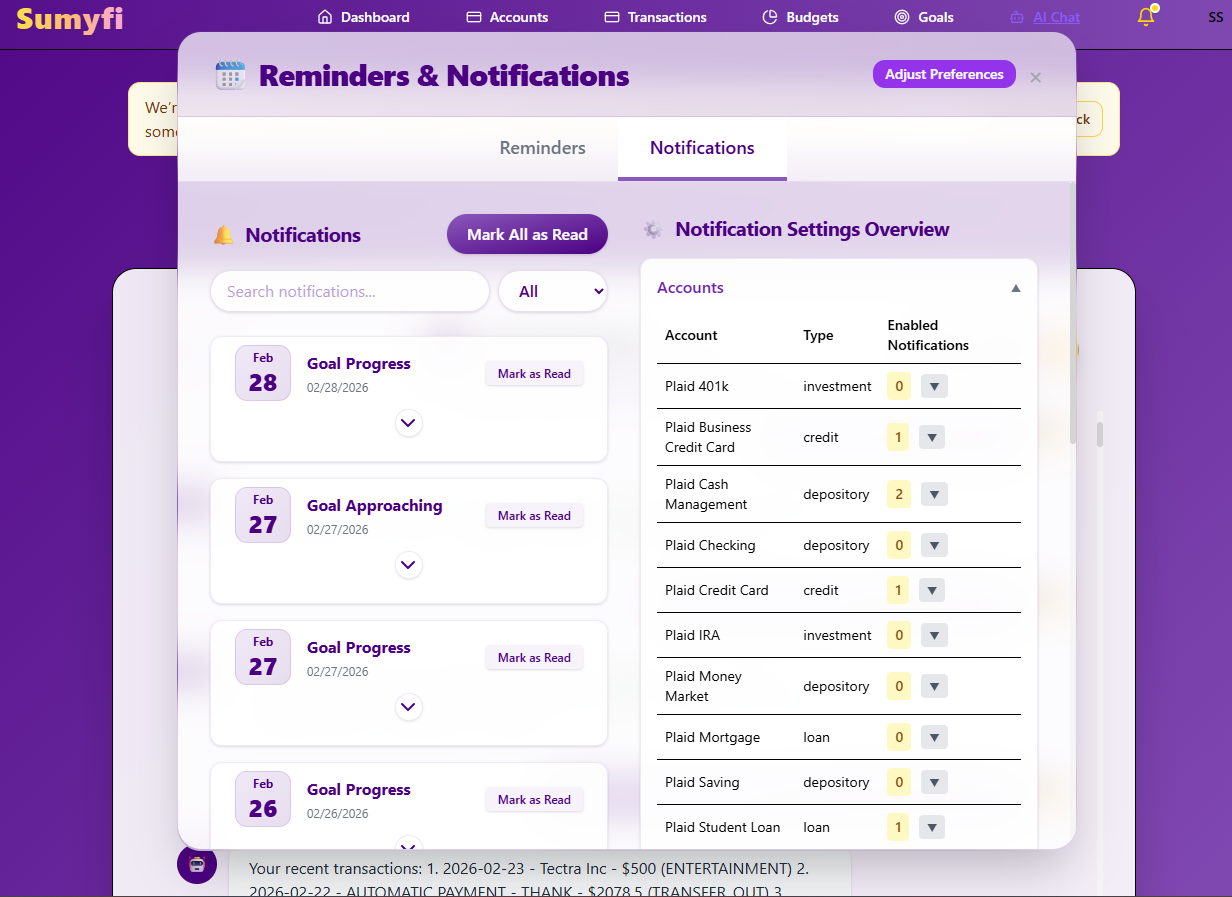
Notifies you of unusual spending, upcoming bills, budget overages, and subscription renewals.
Enhanced Security
Employs bank-level encryption and security protocols to protect your sensitive financial data.
Key Features of an Effective Reduce Monthly Expenses App
Not all expense reduction apps are created equal. To truly make an impact on your financial well-being, an app must possess a robust set of features designed for clarity, control, and actionable insights.
Seamless Financial Institution Connectivity
The bedrock of any powerful reduce monthly expenses app is its ability to securely connect with a vast array of banks, credit unions, credit card providers, and investment platforms. This connectivity should be broad (covering thousands of institutions across the US and Canada) and reliably maintained.
Intelligent Transaction Categorization
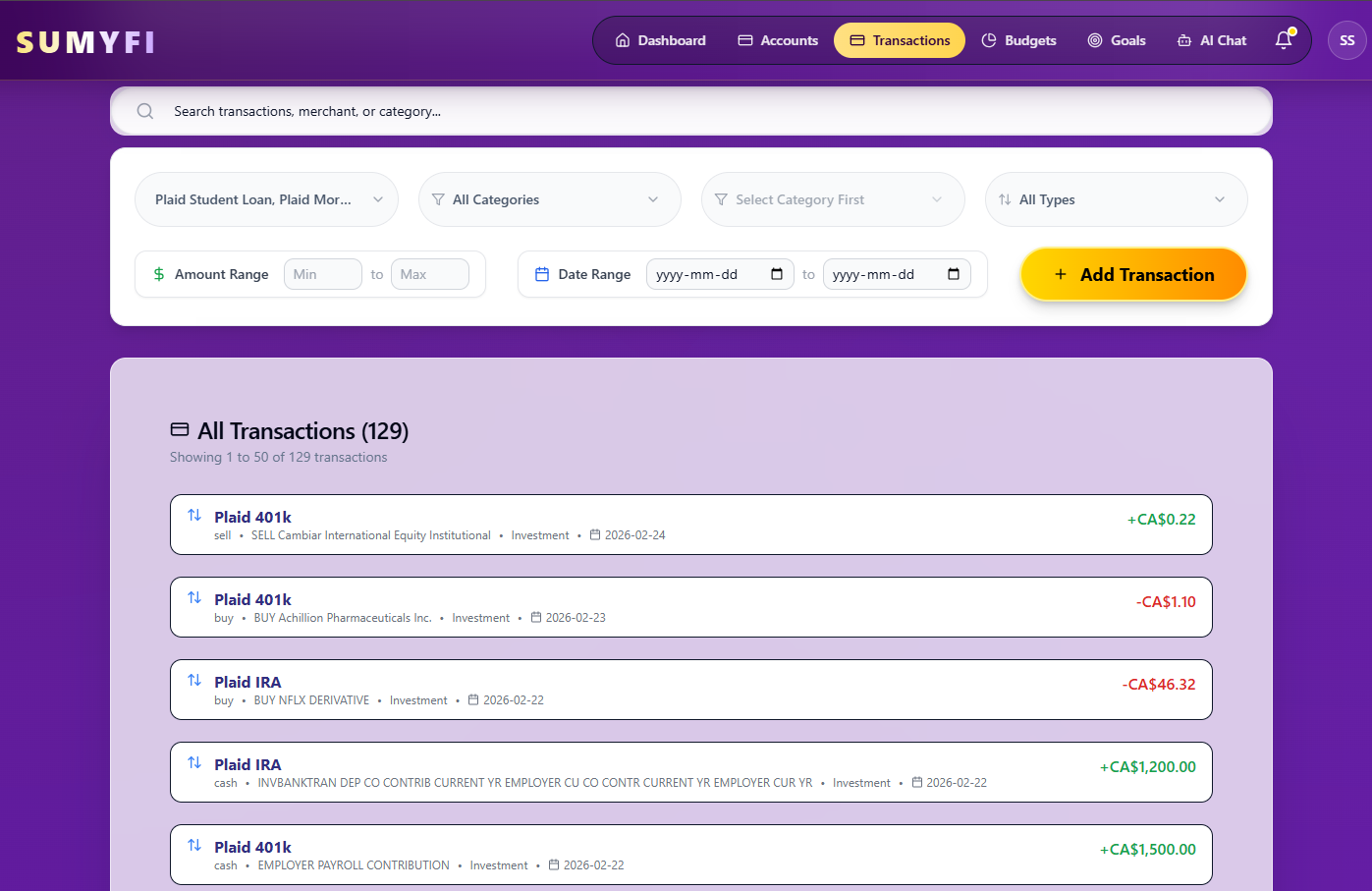
Automatically categorizing every transaction is paramount. The best apps use advanced algorithms, often powered by AI, to accurately sort your spending into meaningful categories (e.g., Groceries, Utilities, Entertainment, Transportation). This feature is critical for understanding where your money is actually going.
Dynamic Budgeting Tools
Beyond simple spending limits, an effective budgeting system should allow for:
Subscription Management and Identification
Recurring subscriptions are notorious budget busters. A top-tier reduce monthly expenses app should automatically detect recurring payments, list all your subscriptions, and alert you to upcoming renewals or price changes, empowering you to cancel unused services.
Bill Tracking and Reminders
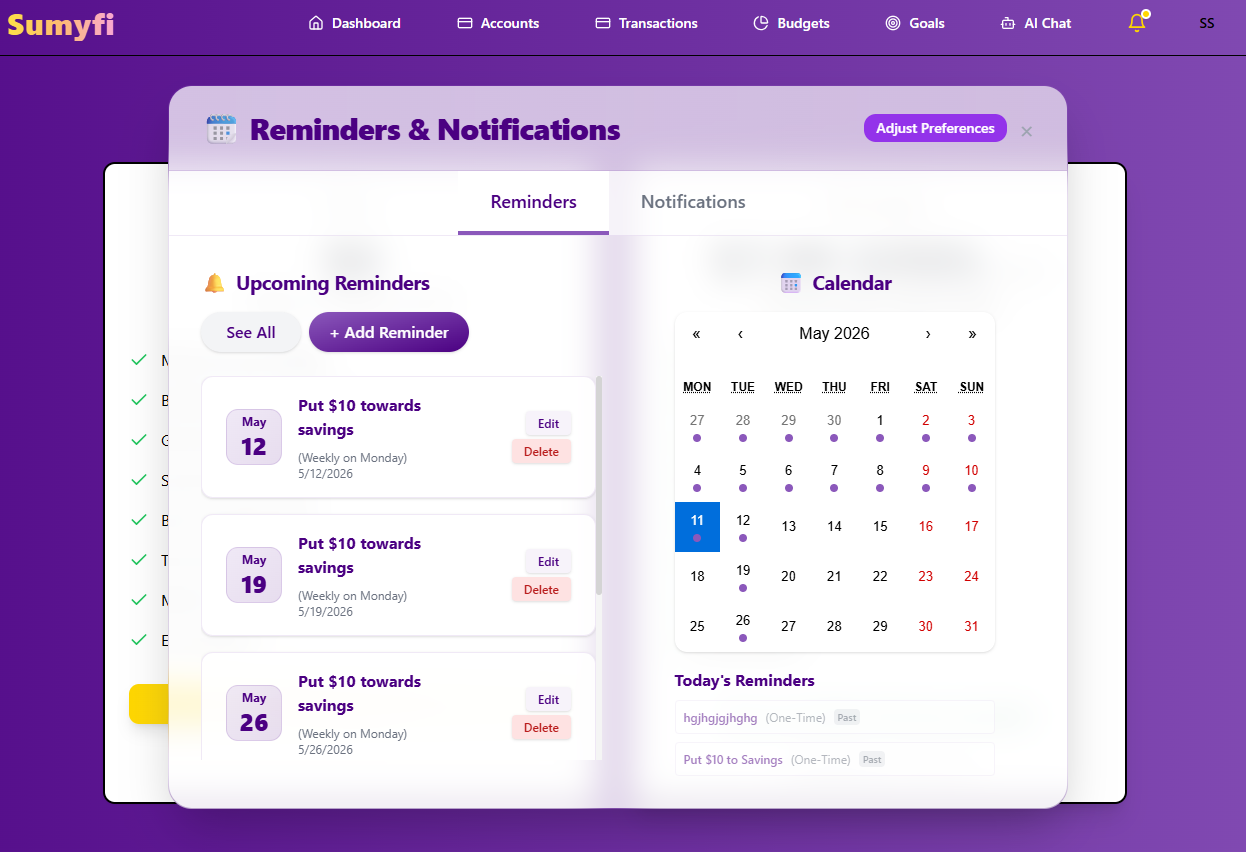
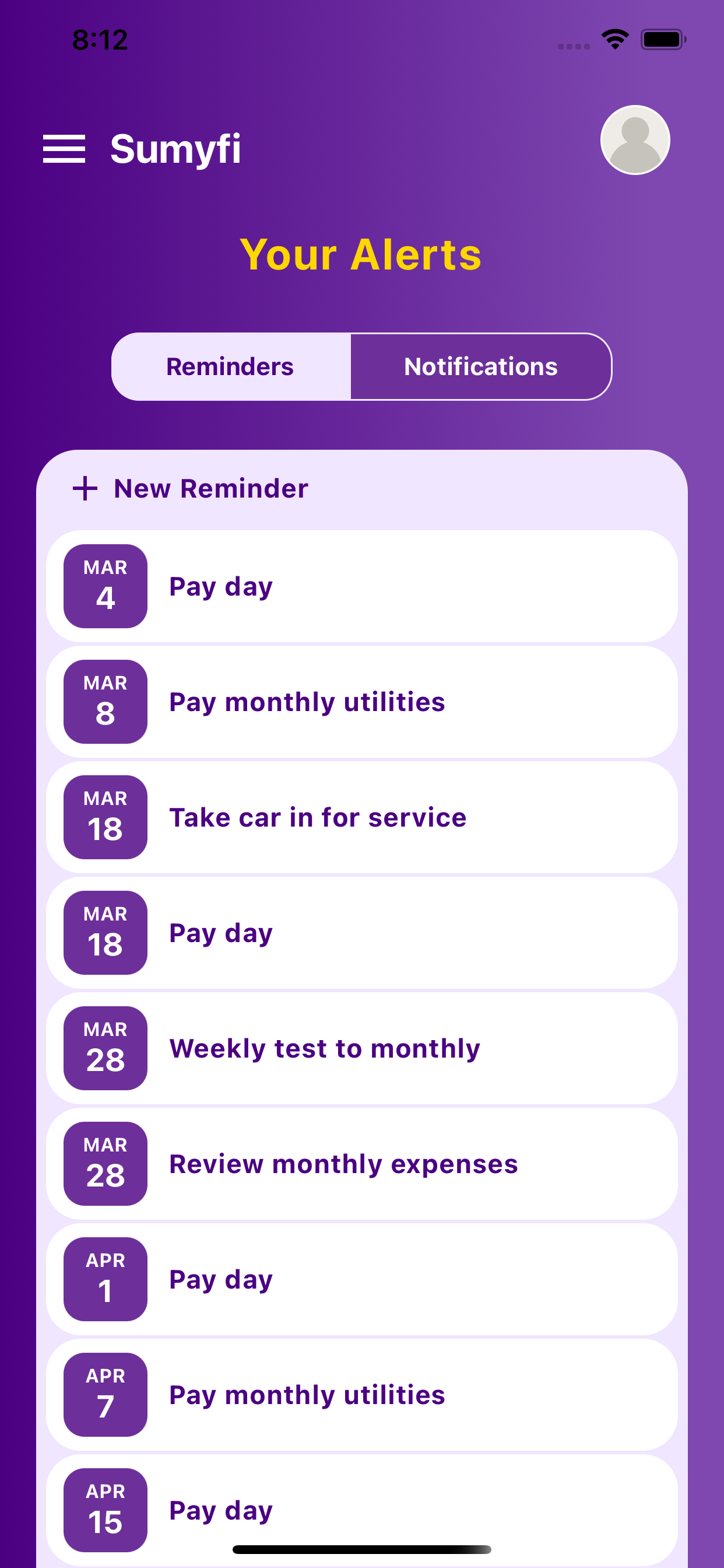
Never miss a payment again. The app should centralize all your bills, provide due date reminders, and help you track payment history, preventing late fees and protecting your credit score.
Net Worth Tracking
While not directly an expense *reduction* feature, understanding your net worth (assets minus liabilities) provides a holistic view of your financial health. Seeing your net worth grow as you reduce expenses and save is a powerful motivator.
Comprehensive Reporting and Analytics
Visualizing your financial data is key to understanding it. Look for:
- Goal Setting and Tracking
The app should allow you to set specific financial goals (e.g., "Save $5,000 for a down payment," "Pay off credit card debt by December") and track your progress toward them, linking your expense reduction efforts directly to your aspirations.
Customizable Budgets: Tailor budgets to your specific income, spending habits, and financial goals.
Rolling Budgets: Budgets that adapt and carry over surpluses or deficits.
Real-Time Progress Tracking: Visual indicators of how close you are to exceeding your budget in each category.
"Zero-Based" Budgeting Support: For those who want every dollar assigned a job.
Spending Trends: Charts showing how your spending changes over time.
Category Breakdowns: Pie charts or bar graphs illustrating where the majority of your money goes.
Income vs. Expense Analysis: Clear comparisons to ensure you're living within your means.
Customizable Reports: The ability to generate reports based on specific timeframes or categories.
Sumyfi: The Apex Predator of Reduce Monthly Expenses Apps
In a crowded market of financial tools, Sumyfi emerges as the definitive solution for anyone serious about mastering their money and significantly reducing monthly expenses.
Sumyfi's core philosophy is built on three pillars: agile engineering, lightning-fast setup, and a slick, intuitive dashboard interface. We understand that your time is valuable, and your financial journey demands a tool that is both powerful and effortlessly easy to use.
What Makes Sumyfi Stand Apart:
[Start Your Free Sumyfi Journey Today!](https://www.sumyfi.com/signup)
Unrivaled Connectivity
Sumyfi connects seamlessly with *thousands* of financial institutions across both the United States and Canada. This robust, cross-border capability ensures that no matter where you bank, your financial picture is complete and unified.
AI-Powered Automation
Our proprietary algorithms go beyond basic categorization. Sumyfi intelligently learns your spending habits, automatically categorizing transactions with remarkable accuracy, and identifying recurring expenses and income streams without manual intervention.
Empowering User Experience
We've poured immense effort into crafting a user interface that is not only visually appealing but also incredibly functional. The slick dashboard provides immediate insights, making complex financial data digestible and actionable.
Built for Action
Sumyfi isn't just about tracking; it's about *doing*. Every feature is designed to empower you to make informed decisions that directly lead to reduced expenses and increased savings.
How Sumyfi Specifically Helps You Reduce Monthly Expenses
Sumyfi's architecture is purpose-built to identify, target, and eliminate unnecessary spending. Let's break down how its core features translate directly into tangible savings.
Pinpointing Spending Leakage with Automated Categorization
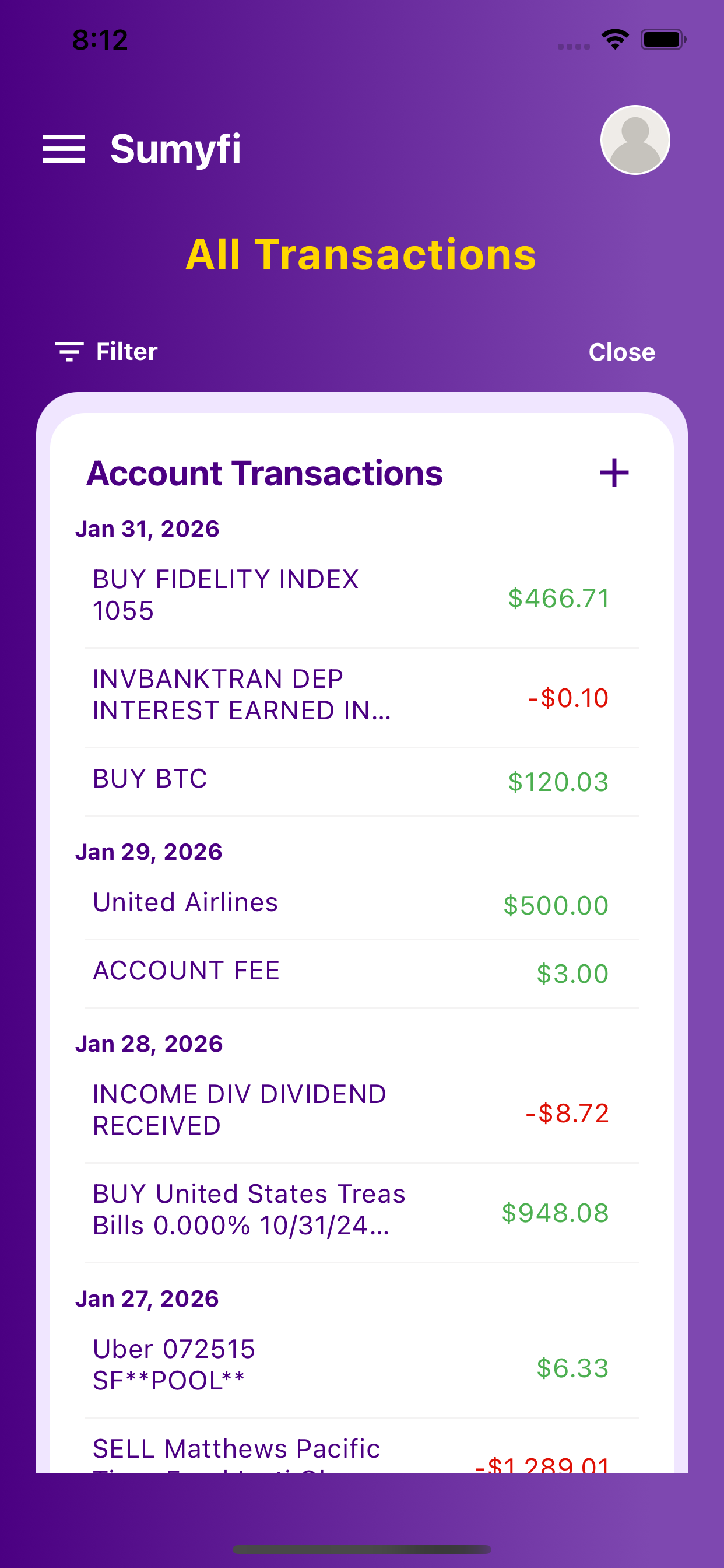
The first step to reducing expenses is knowing exactly where your money goes. Sumyfi automatically imports and categorizes transactions from all your connected accounts.
Building and Adhering to Realistic Budgets
Sumyfi's flexible budgeting tools empower you to create spending plans that actually work for your life, not against it.
Unmasking and Eliminating Subscription Overload
Subscription services have become an insidious drain on finances. Many people pay for services they no longer use or even remember subscribing to.
Preventing Late Fees with Proactive Bill Tracking
Late fees are unnecessary expenses that can quickly add up and damage your credit score.
Analyzing Spending Trends for Long-Term Optimization
Reducing expenses isn't a one-time event; it's an ongoing process of refinement.
- Setting and Achieving Financial Goals
Connecting your expense reduction efforts to tangible goals provides powerful motivation.
Don't just track your money; transform it. Sumyfi makes reducing monthly expenses intuitive and effective.
Deep Dive: Our AI-driven categorization engine is highly accurate, identifying nuances that manual methods miss. It can distinguish between "Groceries" and "Dining Out," or "Coffee Shop" versus "Business Lunch," giving you granular insight.
Actionable Insight: Once categorized, Sumyfi presents clear visualizations (pie charts, bar graphs) of your spending by category. You might be surprised to see how much you spend on "Food & Drink" or "Entertainment." This immediate visual feedback is often the catalyst for change. For example, if you see "Restaurants" accounting for 30% of your discretionary budget, you know exactly where to start cutting back.
Deep Dive: You can set budgets for individual categories (e.g., $400 for groceries, $150 for entertainment) or implement more advanced budgeting methodologies like zero-based budgeting. Sumyfi tracks your progress in real-time, showing you exactly how much you have left in each budget category.
Actionable Insight
Receive instant notifications when you're approaching or exceeding a budget limit. This proactive alert system acts as a financial guardian, prompting you to pause before making an impulse purchase that could derail your savings goals. The visual cues on the dashboard make it easy to see where you're on track and where you need to course-correct.
Deep Dive
Sumyfi's intelligent engine automatically detects all recurring payments across your linked accounts. It compiles a clear, comprehensive list of your subscriptions, including their cost and renewal dates.
Actionable Insight
With a single glance, you can identify forgotten subscriptions (e.g., that streaming service you signed up for a free trial and forgot to cancel, or the gym membership you haven't used in months). This feature alone can often save users hundreds of dollars annually. Sumyfi doesn't just show you; it empowers you to take action by providing the information needed to easily cancel or renegotiate.
Deep Dive
Sumyfi centralizes all your bills, pulling in due dates and amounts from connected accounts and allowing you to manually add others. It provides a clear calendar view of upcoming obligations.
Actionable Insight
Receive timely reminders before bills are due, giving you ample opportunity to ensure funds are available and payments are made. This proactive approach eliminates the stress and cost associated with missed payments, directly reducing your overall monthly outgoings.
Deep Dive
Sumyfi's robust reporting tools allow you to analyze your spending over various timeframes (weekly, monthly, quarterly, annually). You can compare current spending to previous periods, identify seasonal trends, and pinpoint areas where spending has increased.
Actionable Insight
By understanding your historical spending patterns, you can make more informed decisions about future expenses. For example, if you notice your utility bills spike in certain months, Sumyfi can help you plan for those higher costs or identify opportunities for energy conservation. These insights are crucial for sustainable expense reduction.
Deep Dive
Sumyfi allows you to set specific financial goals, whether it's saving for a down payment, paying off a specific debt, or building an emergency fund. It then helps you allocate funds and track your progress.
Actionable Insight
As you reduce your monthly expenses, Sumyfi visually demonstrates how that freed-up capital accelerates your progress toward your goals. Seeing your savings grow and your debt shrink in real-time is an incredibly motivating feedback loop that reinforces positive financial habits.
The Sumyfi Advantage: Why It Stands Apart from Other Reduce Monthly Expenses Apps
While the market offers various personal finance applications, Sumyfi distinguishes itself through a combination of cutting-edge technology, user-centric design, and an unwavering commitment to comprehensive financial empowerment.
Many apps cater exclusively to one nation. Sumyfi's agile engineering allows for robust, secure connections with thousands of financial institutions across *both* the United States and Canada. This makes it the ideal reduce monthly expenses app for individuals living near the border, cross-border workers, or anyone with financial interests in both countries, offering a truly unified financial overview.
Lightning-Fast Setup and Seamless Onboarding
We understand that the barrier to entry for many financial apps is the complex, time-consuming setup process. Sumyfi is engineered for speed. You can connect your primary accounts and begin seeing your financial overview within minutes, not hours. Our intuitive onboarding guides you through each step, making the transition effortless.
A Slick Dashboard Interface Designed for Clarity and Action
Sumyfi's user experience is paramount. Our dashboard is meticulously designed to be:
Advanced AI and Machine Learning for Superior Insights
Beyond basic automation, Sumyfi leverages sophisticated AI and machine learning algorithms to:
Robust Security and Privacy Protocols
Your financial data is your most sensitive information. Sumyfi employs bank-level encryption (256-bit AES) and adheres to stringent security protocols to ensure your data is always protected. We never store your banking credentials, and our read-only access ensures your funds remain secure.
- A True All-in-One Personal Finance Hub
Sumyfi isn't just a reduce monthly expenses app; it's a holistic financial ecosystem.
This comprehensive approach means you won't need multiple apps for different financial tasks, streamlining your financial management into one powerful, cohesive platform.
Visually Appealing: Clean, modern aesthetics that make financial management a pleasure, not a chore.
Intuitively Navigable: Find what you need quickly, without wading through endless menus.
Action-Oriented
Key insights and calls to action are prominently displayed, guiding you toward better financial decisions.
Customizable
Tailor your dashboard to highlight the metrics most important to your financial goals.
Predictive Analysis
Identify potential future spending trends or upcoming financial challenges.
Smart Suggestions
Offer personalized recommendations for saving based on your unique spending patterns.
Enhanced Security Monitoring
Flag unusual transactions that might indicate fraud, adding an extra layer of protection.
Net Worth Tracking
See your complete financial picture grow as you manage expenses.
Goal Setting
Link your expense reduction to tangible life goals.
Investment Tracking
Understand how your investments contribute to your overall wealth.
Debt Management
Strategize debt repayment with clear visibility of all your liabilities.
Getting Started with Sumyfi: Your Journey to Financial Optimization
Embarking on your journey to reduced monthly expenses with Sumyfi is straightforward and rewarding. Our goal is to make financial empowerment accessible to everyone.
Step 1: Create Your Sumyfi Account
Visit [www.sumyfi.com](https://www.sumyfi.com) or download the Sumyfi app from your preferred app store. The signup process is quick and secure, requiring just a few basic details.
Step 2: Securely Connect Your Financial Institutions
This is where Sumyfi's power truly comes to life.
Step 3: Explore Your Personalized Dashboard
Within minutes, your Sumyfi dashboard will populate with real-time data, offering you an unprecedented overview of your financial life.
Step 4: Customize Your Budget and Set Goals
Sumyfi makes it easy to tailor your financial plan.
Step 5: Leverage Sumyfi's Insights and Automation
Let Sumyfi do the heavy lifting.
Your financial transformation starts now. Join thousands of empowered users who trust Sumyfi to help them reduce monthly expenses and build a brighter financial future.
[Download the Sumyfi App and Get Started!](https://www.sumyfi.com/download)
Maximizing Your Savings with Sumyfi's Advanced Features
While the core functionalities of Sumyfi provide immense value, delving into its more advanced capabilities can unlock even greater potential for expense reduction and wealth accumulation.
Scenario Planning and "What If" Analysis
Sumyfi isn't just about tracking; it's about strategizing. Imagine being able to model the impact of different financial decisions.
Investment Performance Tracking (Indirect Expense Reduction)
While not a direct expense reduction feature, understanding your investment performance can indirectly influence your spending habits by fostering a greater appreciation for wealth growth.
Debt Reduction Strategizing
Sumyfi helps you visualize and strategize your debt repayment, which is a critical form of expense reduction (by minimizing interest payments).
Custom Tags and Notes for Granular Analysis
Sometimes, standard categories aren't enough.
- Cash Flow Analysis
Understanding your cash flow - the movement of money in and out of your accounts - is fundamental to financial health.
The Future of Financial Management: Sumyfi's Vision
Sumyfi isn't just keeping pace with the evolution of personal finance; it's driving it.
We believe that the best reduce monthly expenses app is one that anticipates your needs, offers proactive advice, and seamlessly integrates into your financial life, making sound money management an effortless habit rather than a constant struggle. Sumyfi is continuously enhancing its AI capabilities to provide even more personalized insights, predictive alerts, and tailored recommendations that go beyond generic advice.
Imagine an app that not only tells you where you're overspending but also suggests specific, actionable steps to reduce those expenses, perhaps even connecting you with better deals on utilities or insurance based on your spending profile. This is the future Sumyfi is building - a future where financial stress is minimized, and financial freedom is within everyone's reach.
Conclusion: Empower Your Finances with Sumyfi
The quest to reduce monthly expenses is a universal one, driven by the desire for security, freedom, and the ability to achieve life's most important goals. In today's complex financial world, relying on outdated methods is no longer a viable strategy. A powerful, intuitive, and intelligent reduce monthly expenses app is not just a convenience; it's a necessity.
Sumyfi stands as the pinnacle of modern personal finance management. It provides the clarity to see where your money goes, the tools to build and stick to a realistic budget, and the proactive alerts to keep you on track.
Stop guessing where your money goes. Stop struggling with manual spreadsheets. Start taking decisive control of your financial future. Sumyfi is more than an app; it's your partner in achieving lasting financial well-being.
[Join the Sumyfi Revolution Today!](https://www.sumyfi.com/signup)
Select Your Institutions: Choose from thousands of banks, credit unions, credit card companies, and investment platforms across the US and Canada.
Secure Connection: Follow the prompts to securely link your accounts. Sumyfi uses encrypted connections and never stores your login credentials. This read-only access ensures your funds are safe.
Instant Data Sync: Once connected, Sumyfi will automatically begin importing your transaction history, account balances, and other relevant financial data.
See All Accounts
View balances across all your connected accounts in one place.
Spending Breakdown
Immediately see where your money is going with intuitive charts and graphs.
Net Worth Snapshot
Get an instant calculation of your current net worth.
Review Categories
Verify Sumyfi's automated transaction categorization and make any adjustments needed. The more accurate your categories, the better your insights.
Create Budgets
Set spending limits for various categories based on your income and financial goals. Sumyfi will help you identify realistic targets.
Define Goals
Articulate your financial aspirations (e.g., "Emergency Fund: $10,000," "New Car Down Payment: $5,000") and track your progress directly within the app.
Monitor Alerts
Pay attention to notifications about budget overages, upcoming bills, and identified subscriptions.
Review Reports
Regularly check your spending trends and financial health reports to identify areas for improvement.
Take Action
Use the insights to make informed decisions - cancel unused subscriptions, adjust spending habits, or reallocate funds to savings.
Deep Dive
Use Sumyfi to simulate scenarios. "What if I cut my dining out budget by 25%? How much faster could I pay off my credit card?" or "If I save an extra $100 a month, how much closer am I to my down payment goal?"
Actionable Insight
These simulations provide concrete, data-driven answers that motivate behavioral change. Seeing the direct impact of even small adjustments can be incredibly powerful in sustaining long-term expense reduction efforts.
Deep Dive
Sumyfi allows you to link your investment accounts, providing a consolidated view of your portfolio's performance alongside your everyday spending.
Actionable Insight
Seeing your investments grow can inspire you to save more and spend less, viewing every dollar as a potential contributor to your future wealth. It reinforces the concept of opportunity cost - the money you spend today is money that can't be invested for tomorrow.
Deep Dive
By aggregating all your loans and credit card debts, Sumyfi provides a clear picture of your total liabilities, interest rates, and minimum payments.
Actionable Insight
You can use Sumyfi's insights to prioritize which debts to tackle first (e.g., high-interest credit cards) and track how extra payments, freed up by expense reduction, accelerate your debt-free journey. This directly reduces the "expense" of interest over time.
Deep Dive
Sumyfi allows you to add custom tags and notes to individual transactions. For instance, you might tag all "Work Expenses" or "Holiday Spending" across different categories.
Actionable Insight
This granular level of detail enables you to run highly specific reports, revealing spending patterns that might otherwise be hidden. For example, you could analyze all transactions tagged "Holiday" to understand the true cost of your festive season, identifying areas to reduce next year.
Deep Dive
Sumyfi provides detailed cash flow statements, showing your income versus expenses over time, highlighting periods of surplus or deficit.
Actionable Insight
This analysis helps you identify if you're consistently spending more than you earn, prompting necessary adjustments to your budget and spending habits. It's a key indicator for sustainable expense reduction.