How to Switch from Mint (2026)
Switching from Mint is not only about exporting data. It is about rebuilding one weekly money habit in a system that feels cleaner, more current, and easier to trust after the migration is over.
Most Mint migrations fail when users replace one dashboard with a pile of partial tools.
A good switch restores the weekly money habit quickly instead of chasing perfect setup.
The valuable part of Mint was not the interface alone. It was having one place to review the month.
Migration guide
The goal is not to recreate Mint exactly. The goal is to end up with a better weekly financial tracking system.
People searching how to switch from Mint usually do not want another generic comparison table. They want a concrete way to move out of a dead workflow and into a cleaner one without losing visibility or rebuilding everything by hand.
This page works best when it narrows the migration down to the essentials: get your account picture back, make recurring charges visible again, reconnect savings goals and budgets, and choose a dashboard that is easier to keep using after the first week.
If you want the post-Mint setup to feel simpler, more current, and less fragmented than what you had before, Sumyfi is the kind of dashboard this migration should point you toward.
Reading guide
How to use this page
Table of contents
Jump to the part you actually care about
What makes this useful
Three things this guide should help you decide faster
If you want the post-Mint setup to feel simpler, more current, and less fragmented than what you had before, Sumyfi is the kind of dashboard this migration should point you toward.
Best for everyday personal finance users who want moving from Mint to a cleaner financial tracking system for accounts, subscriptions, savings goals, and weekly money review.
The page is strongest when it helps you move from scattered awareness to a repeatable weekly money routine.
Buyer checklist
What to preserve when switching from Mint
- Can you quickly restore one place to review balances, recurring charges, and category drift?
- Will the new system reduce spreadsheet dependence instead of increasing it?
- Are subscriptions, savings goals, and account visibility kept in one practical workflow?
- Does the new product feel simple enough to revisit every week?
- Is the company trustworthy enough for a long-term financial dashboard relationship?
Why Sumyfi
Why Sumyfi is a strong post-Mint destination
The strongest case for Sumyfi is that it turns the migration into a cleaner financial tracking upgrade instead of a nostalgic downgrade. The dashboard is built to reconnect accounts, recurring charges, savings goals, and planning inside one system.
Comparison table
Sumyfi vs Typical alternatives
The best Mint migration plan is the one that gets you out of spreadsheet limbo quickly. The point is not to recreate Mint pixel for pixel. It is to switch into a more useful financial tracking routine.
| Decision area | Sumyfi | Typical alternatives |
|---|---|---|
| Primary workflow | One place for accounts, budgets, goals, recurring money decisions, and AI-supported explanations for people researching how to switch from mint. | Often built around a narrower workflow tied more specifically to the main use case behind this search. |
| Account visibility | Designed to keep everyday spending and the bigger financial picture visible together instead of splitting them into separate tools. | May emphasize one slice of the money picture more than the full system. |
| Ease of ongoing use | Built to reduce maintenance so the dashboard is easier to keep using week after week. | Can be useful, but may require more manual review, heavier setup, or a more specialized workflow. |
| Planning support | Supports budgeting, goal tracking, forward-looking decisions, and a cleaner review process in one experience. | Planning support varies depending on the product and the subscription tier you choose. |
| Trust surface | Public support, security, privacy, and AI usage pages help lower risk for serious shoppers before signup. | Trust signals depend on the company, and not every buyer gets the same level of clarity upfront. |
| Best fit | Best for people who want to move from Mint to a cleaner financial tracking system for accounts, subscriptions, savings goals, and weekly money review without juggling separate tools and disconnected reviews. | Best for users who already know they want a narrower product centered on how to switch from mint. |
Product screenshots
See the product behind the copy
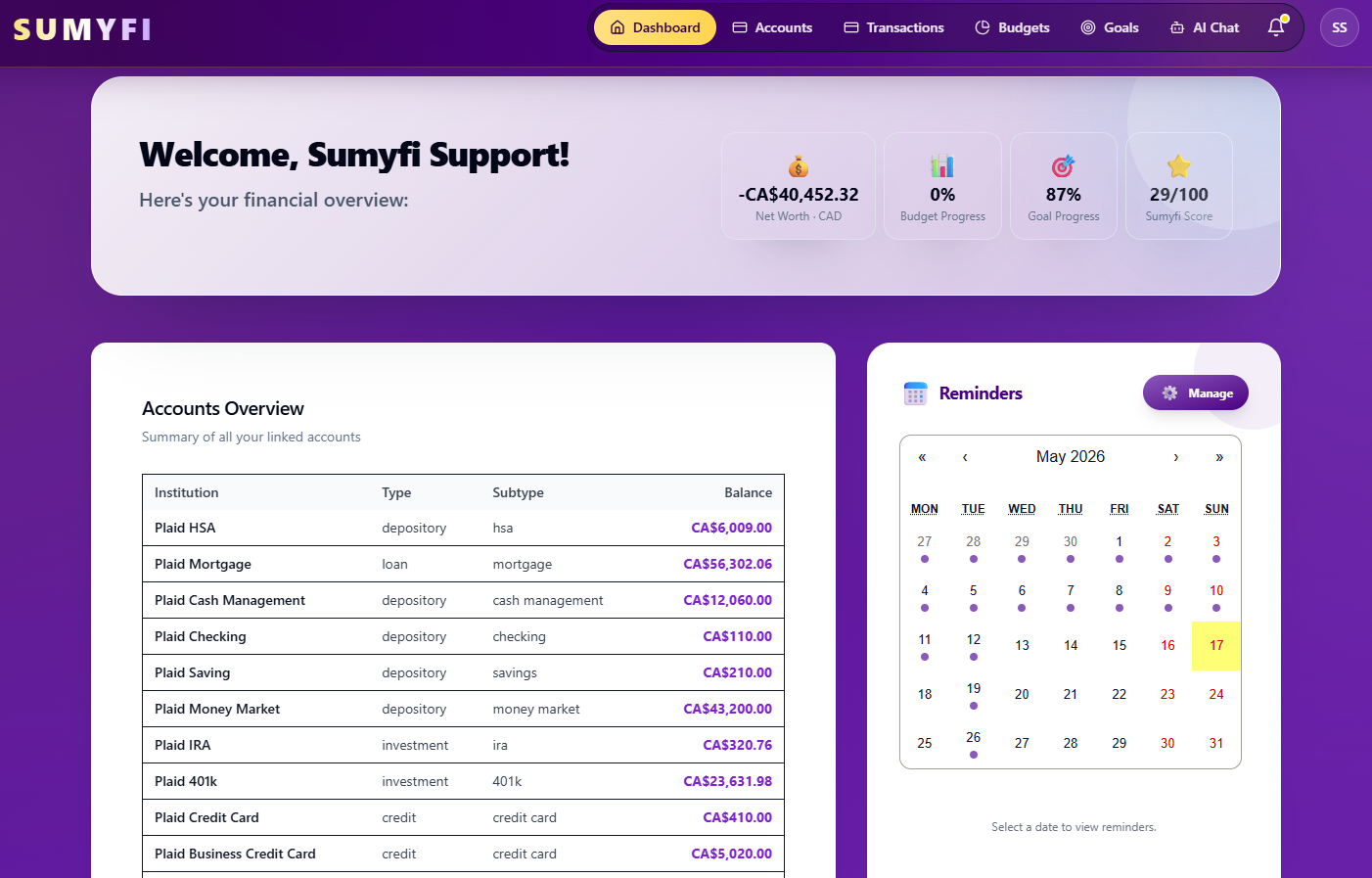
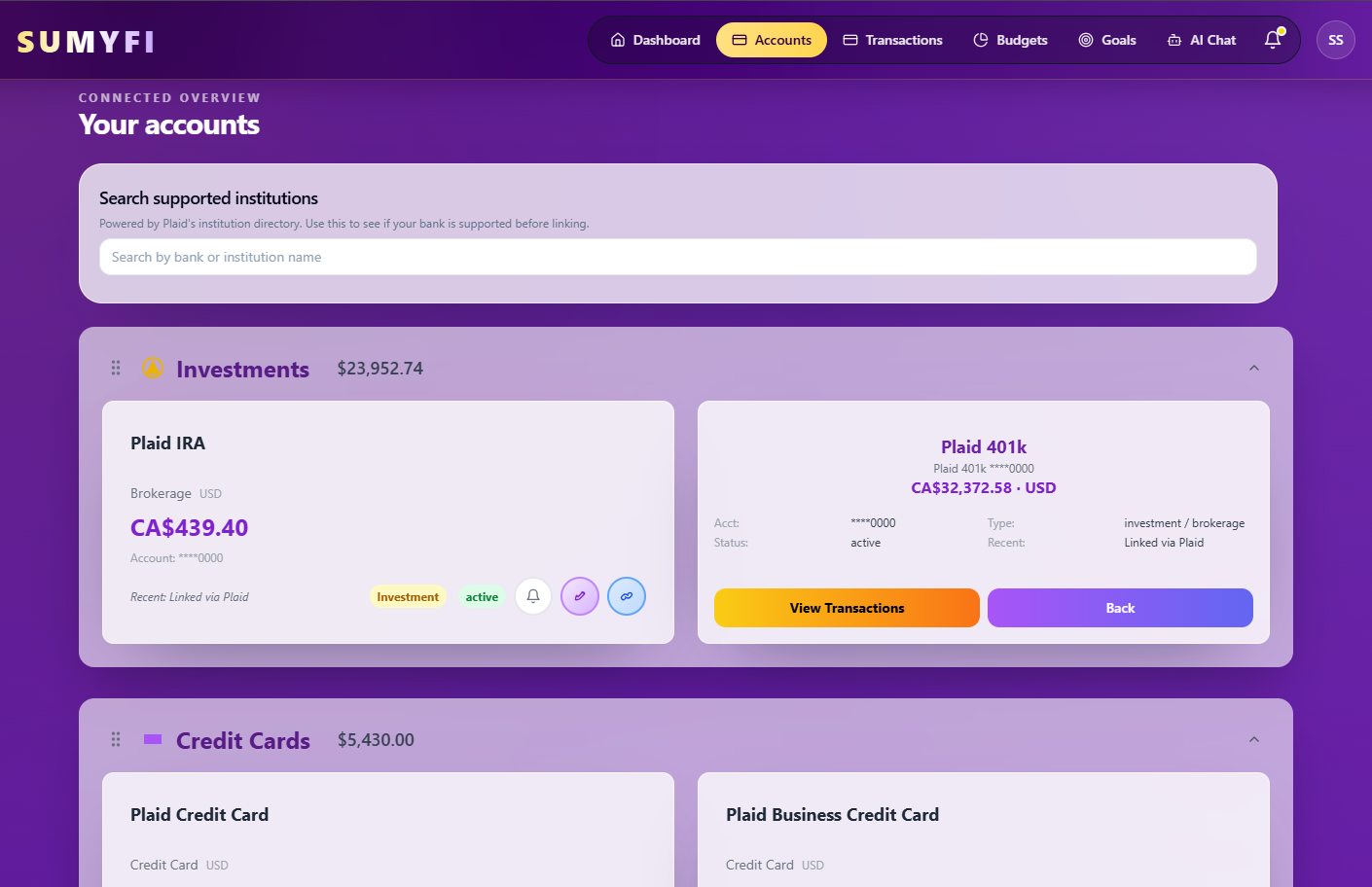
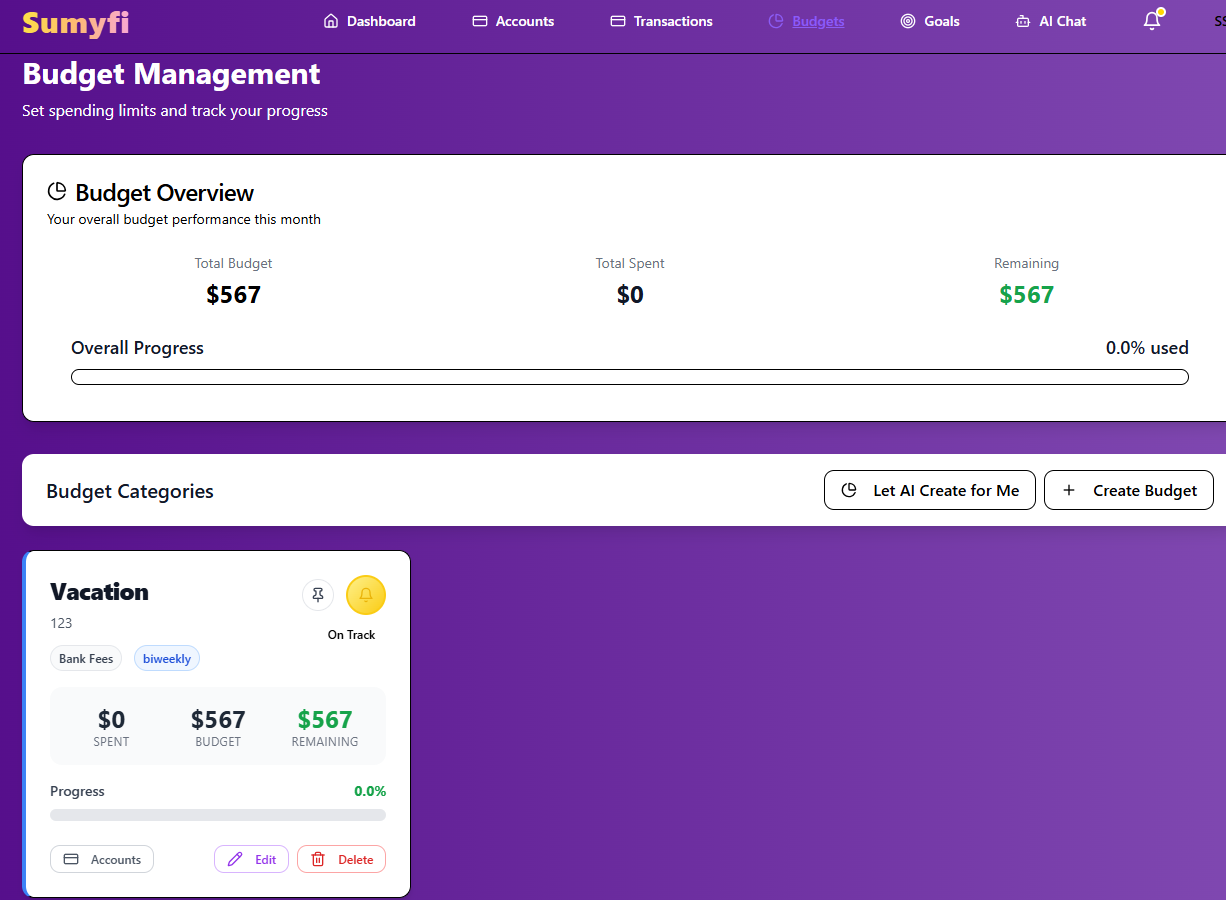
These pages should not ask visitors to trust abstract claims alone. The screenshots below make the dashboard, accounts, budgeting, AI, reminders, and progress surfaces more concrete for serious buyers.

One financial home base instead of a patchwork of separate app views.

Connected accounts and balances stay visible in the same workflow.

Budgeting and spending review stay attached to the dashboard, not siloed elsewhere.
Trust surfaces
Trust matters more than sheer page count in finance SEO
In a YMYL category, buyers need visible support, security, coverage, and public accountability before they are comfortable connecting money data or acting on product guidance.
Security and privacy
Serious buyers need visible security, privacy, and data-handling pages before they trust a finance product.
Support and help center
A visible help center gives cautious buyers a clearer path before signup.
Institution coverage
Aggregation and dashboard pages convert better when visitors can confirm account connectivity is part of the product story.
Public launch signal
External product-discovery pages add another public trust surface beyond the marketing site itself.
Public roadmap on GitHub
A public roadmap repo gives buyers and search visitors another transparent trust surface around product direction and external mentions.
Proof block
What Mint switchers need to believe before they move
This page converts when it makes the migration feel lower-risk and more practical than staying stuck in a patchwork of partial tools.
Move your workflow, not just your data
Subscriptions and savings in one view
Cleaner post-Mint setup
"I do not need a perfect clone of Mint. I need a simpler system I can trust once the migration is over."
"The best switch is the one that gets me out of spreadsheets and back into a real weekly review habit fast."
Switching steps
A practical way to switch from Mint without making the migration heavier than it needs to be
Start by deciding what the new dashboard needs to answer every week. For most people that is not fifty granular reports. It is balances, subscriptions, category drift, savings progress, and whether anything urgent changed. That list becomes the migration checklist.
Next, restore visibility before precision. Connect the accounts that matter most, review recurring charges, and make sure the new product already helps with real decisions before you invest time in edge-case cleanup. This prevents the switch from turning into an endless data-maintenance project.
Then choose the product that feels easiest to live inside. The post-Mint winner is usually not the closest visual clone. It is the system that makes weekly money review faster and clearer once real life gets busy again.
What to look for
- Restore your weekly review habit first
- Reconnect subscriptions, goals, and balances before chasing perfection
- Choose the tool you will actually keep opening
Switching signal
What makes how to switch from mint worth switching for instead of just comparing
High-intent alternative searches usually happen after the user has already felt the limits of the current tool. They are not looking for novelty. They are trying to decide whether the replacement will reduce friction enough to justify the move, the setup time, and the mental reset that comes with changing financial software.
That means the best alternative should not merely match one headline feature. It should make the broader workflow around moving from Mint to a cleaner financial tracking system for accounts, subscriptions, savings goals, and weekly money review feel cleaner, faster, and easier to trust over time. When the replacement can solve the next problem as well as the current one, the switch starts to make more sense.
What to look for
- A better weekly review loop matters more than a familiar feature list
- The switch should reduce fragmentation, not rename it
- The strongest alternative keeps helping after the first migration win
Decision pressure
Why the better alternative usually wins on workflow fit, not marketing familiarity
Alternative pages often become noisy because buyers get pulled into brand familiarity or feature-table trivia. In practice, the stronger replacement is usually the one that fits the user's existing decision rhythm better. If the product helps them understand what changed and what to do next faster, it will feel more valuable than a tool that only wins a few surface-level comparison bullets.
That is where broader product fit matters. People keep the finance tool that feels easier to live inside during a busy week, not the one that only looked strong during the research phase.
Why this page can convert
What makes how to switch from mint a high-intent search instead of casual browsing
Searches like how to switch from mint usually come from users who already feel some friction in the current setup. They are not trying to learn whether finance apps exist. They are trying to decide which product will reduce confusion, lower maintenance, or create a better money habit quickly enough to justify the switch.
That makes specificity important. The better page helps users see why Sumyfi is relevant to moving from Mint to a cleaner financial tracking system for accounts, subscriptions, savings goals, and weekly money review without pretending every buyer wants exactly the same kind of workflow.
What matters after week one
How to tell whether how to switch from mint will actually help after week one
The best test is still a real weekly workflow. If the product makes balances, recurring activity, and next actions easier to review without a lot of cleanup, it is probably a good fit. If it still leaves you stitching the story together manually, the problem is not solved yet.
Sumyfi is strongest when the dashboard, planning layer, and recurring money decisions stay connected. That makes it easier to decide whether the product genuinely improves how you handle moving from Mint to a cleaner financial tracking system for accounts, subscriptions, savings goals, and weekly money review.
Why people hesitate
The biggest buying risk is usually choosing a tool that looks clearer than it feels
Finance buyers often know the category language well enough to compare features, but still struggle to picture what the product will feel like in ordinary use. That uncertainty is rational. A lot of apps sound complete during research and still create too much hidden work once the user tries to rely on them weekly.
The stronger page lowers that uncertainty by showing how the workflow behaves under normal life pressure. That is usually more persuasive than adding another layer of generic claims.
Decision speed
The strongest product usually shortens the path from awareness to action
People search these categories because they want relief from uncertainty, drift, or unnecessary effort. The product that wins is usually the one that makes the next decision easier once the user opens it. If the app still requires a lot of interpretation or a second system to translate the data, its value plateaus quickly.
That is why connected design matters. When visibility, recurring patterns, and planning context stay close together, the app becomes easier to trust and easier to keep using.
FAQs
Frequently asked questions about how to switch from mint
Is Sumyfi really a strong option for how to switch from mint?
Yes, especially if the real goal behind the search is reducing fragmentation. Sumyfi is strongest for users who want connected accounts, clear budgeting, visible goals, recurring-spend awareness, and modern AI-assisted explanations in one place rather than separate disconnected tools.
What matters most when comparing options for how to switch from mint?
Account connectivity, spending clarity, recurring-charge visibility, budgeting depth, goal support, trust posture, and ease of repeat use matter most. Those factors influence whether the tool becomes part of your real routine or remains a short-lived experiment.
How does Sumyfi help people researching how to switch from mint day to day?
Sumyfi helps by keeping the wider money picture visible for people trying to move from Mint to a cleaner financial tracking system for accounts, subscriptions, savings goals, and weekly money review. That makes it easier to understand tradeoffs, track progress, and act on recurring patterns without rebuilding the context in separate tools.
What makes a finance app easier to keep using over time?
Low-friction review loops matter most. If the dashboard helps you connect accounts, understand patterns quickly, and take the next action without extensive manual cleanup, you are much more likely to stay engaged. That ongoing usability matters more than a long feature list.
Who is How to Switch from Mint usually best for?
It is usually best for everyday personal finance users who want clearer financial visibility without building a heavy manual system. Sumyfi is strongest when the user wants practical weekly clarity more than niche complexity for its own sake.
What is the best way to switch from Mint?
The best way is to restore your weekly money view first: accounts, recurring charges, savings goals, and the key signals you actually use to review the month. Do that before trying to replicate every old category or report.
Should I export all my Mint data before switching?
It is reasonable to export what you want to keep for reference, but the bigger decision is choosing a new system that becomes useful quickly. Over-migrating every detail often slows down the switch more than it helps.
What should replace Mint after the migration?
The strongest replacement is usually the one that brings accounts, subscriptions, savings goals, and planning back into one clear workflow. Sumyfi is built around that broader financial tracking approach.
Internal linking
Best next pages after this Mint migration guide
Visitors switching from Mint usually split into a few clear next steps: alternatives, subscriptions, savings tracking, or all-account visibility.
Related guide
Best Mint Alternative Canada
For Canadian users comparing the strongest post-Mint dashboard options directly.
Compare Canadian Mint alternatives
Related guide
Best Mint Alternative USA
For U.S. users who want a cleaner replacement workflow after Mint.
Compare U.S. Mint alternatives
Related guide
Best Subscription Tracker App
For households whose biggest post-Mint pain is recurring bills and subscription cleanup.
Review subscription trackers
Related guide
Best Savings Tracking Software
For people who need the new dashboard to make savings progress easier to see and protect.
Explore savings tracking
Related guide
How to Organize All Financial Accounts in One Place
For visitors who mainly want the all-accounts visibility Mint used to provide.
See the all-accounts guide
Topic cluster
Keep exploring the same decision journey
More alternative search pages
Explore adjacent pages in the same topic so the search journey stays focused instead of jumping between unrelated finance queries.
Alternative Search
Best Mint Alternative Canada
replacing Mint with a cleaner Canadian dashboard for budgeting, subscriptions, and connected accounts
Alternative Search
Best Mint Alternative USA
replacing Mint with a simpler American money dashboard that is easier to maintain over time
Alternative Search
Canadian Mint Alternative
finding a Mint replacement that feels more relevant for Canadian users
Alternative Search
Rocket Money Alternative USA
finding a broader finance dashboard alternative for American shoppers comparing options
Related use cases and adjacent searches
Branch into nearby searches that tend to appear in the same decision journey, from alternatives to dashboards to budgeting help.
Alternative Search
Credit Karma Alternative Budget App
finding a more budgeting-focused experience than credit-first finance tools
Alternative Search
Best Rocket Money Alternative
looking for a more complete finance platform than a subscription-first money tool
Alternative Search
Best Monarch Alternative
looking for a cleaner alternative to premium dashboard-style budgeting tools
Alternative Search
Best YNAB Alternative
looking for a simpler alternative to a structured zero-based budgeting workflow
Guide hub
Browse the full Sumyfi topic cluster
Move from one search intent to the next through budgeting, dashboard, subscription, AI, and comparison pages that support the same decision journey.